English
 中文简体
中文简体 русский
 Español
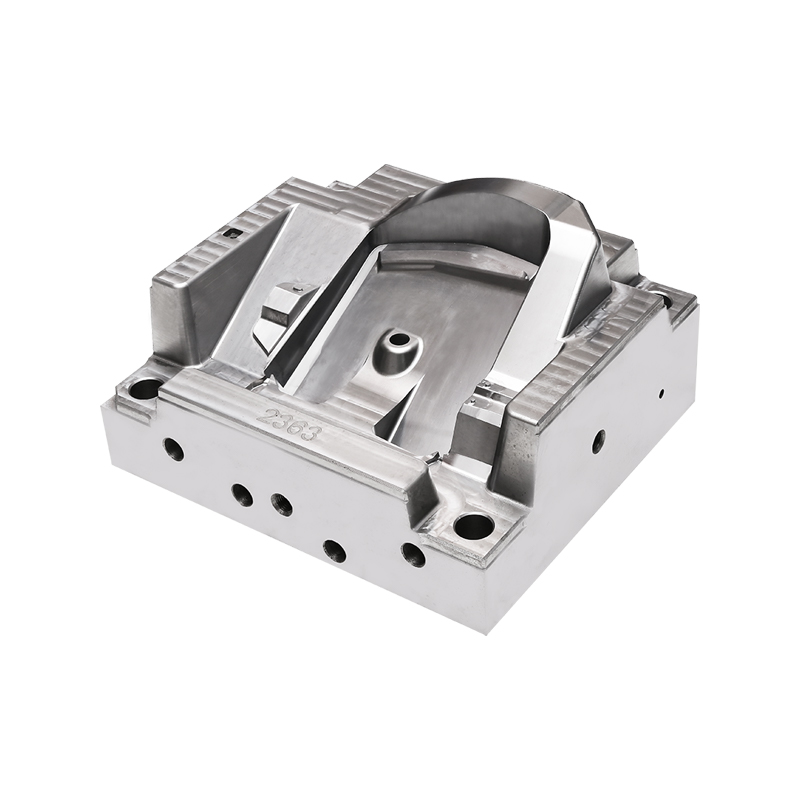
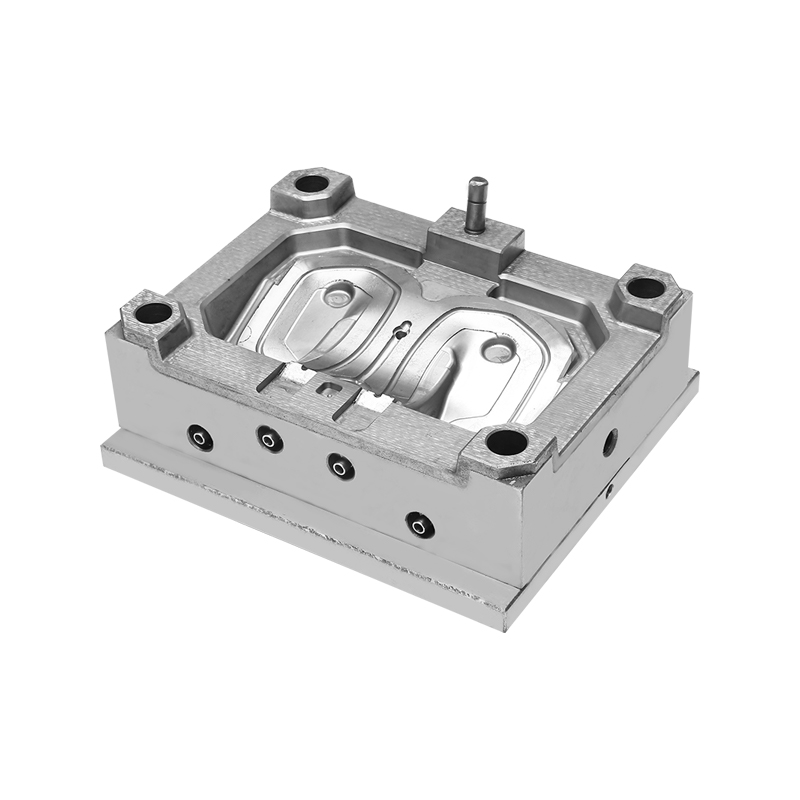
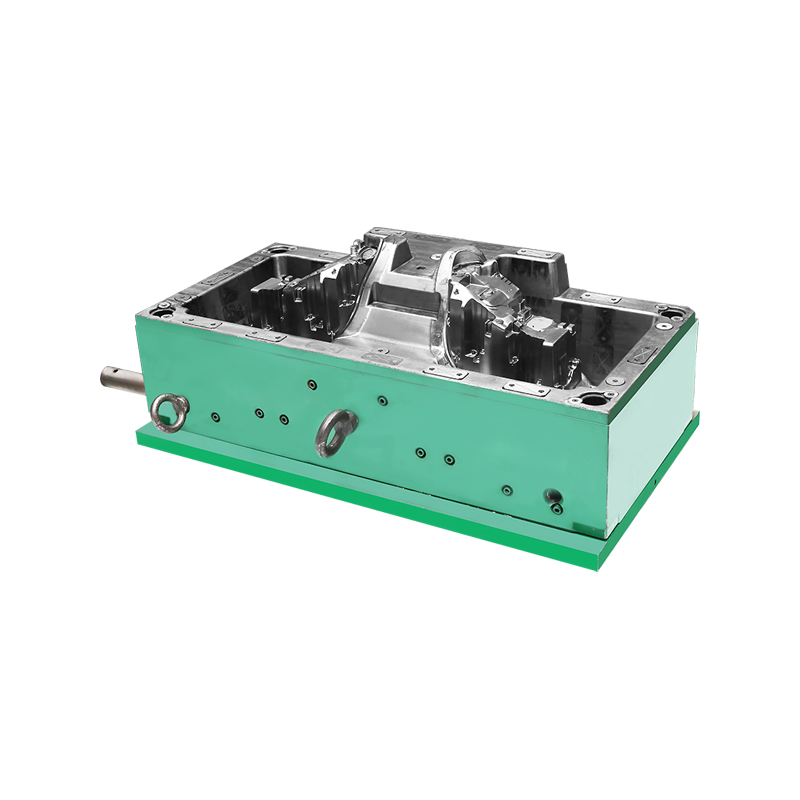
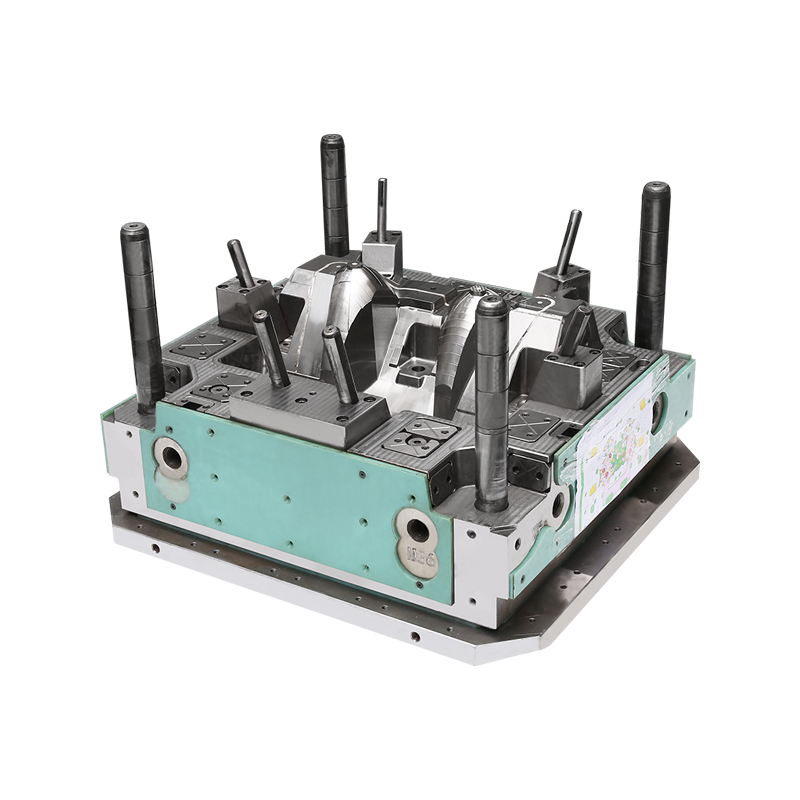
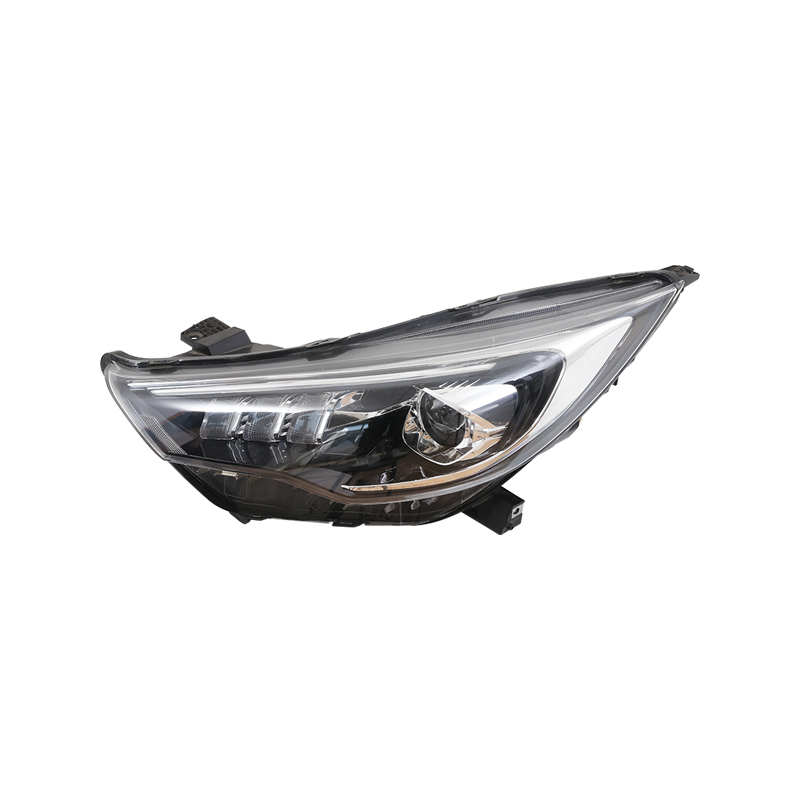
Automotive lighting has changed significantly as vehicle designs become more refined and lighting systems include more detailed shapes. Behind every headlamp, tail lamp, fog lamp, or signal light is an Auto Lamp Mould designed to create plastic components with consistent dimensions and smooth surfaces. Although drivers rarely notice the manufacturing process, mould technology plays an important role in achieving the appearance and functionality expected from modern vehicle lighting.
Manufacturers continue refining mould structures to accommodate complex geometries, transparent lenses, decorative bezels, and durable lamp housings. As production volumes increase, stable mould performance becomes an important factor in maintaining product consistency across thousands of parts.
Precision Design Creates Stable Results
Vehicle lamps contain several plastic components that must fit together accurately. Even a slight dimensional variation can affect assembly quality or the appearance of the finished lamp.
An Auto Lamp Mould is carefully designed using digital engineering software before machining begins. Engineers evaluate cavity layouts, parting lines, cooling channels, gate positions, and ejection systems to support smooth production cycles.
Advanced machining equipment helps produce mould inserts with detailed contours and polished surfaces. These features contribute to clear optical components, uniform textures, and reliable dimensional accuracy throughout repeated production runs.
Attention to structural balance also reduces unnecessary material stress during injection molding, allowing molded parts to maintain their intended shape after cooling.
Material Selection Matches Production Requirements
Different lamp components require different material characteristics. Transparent lenses, reflective parts, and structural housings each present unique processing requirements.
Mould manufacturers select suitable tool steels according to production quantity, processing conditions, and part complexity. Hardened steels are often used for extended manufacturing cycles, while specialized surface treatments can improve resistance to repeated molding operations.
Cooling channel layouts receive equal attention. Efficient temperature distribution helps molten plastic flow evenly inside the mould cavity, reducing cycle variation and supporting consistent product dimensions.
Carefully selected mould materials also simplify machining of intricate features, allowing manufacturers to create fine details without compromising structural strength.
Manufacturing Technology Supports Complex Lamp Structures
Today's automotive lamps often feature slim profiles, sharp edges, integrated light guides, and decorative elements. Producing these shapes requires advanced manufacturing technology throughout the mould-making process.
CNC machining creates accurate cavity geometry, while EDM processing forms deep ribs, narrow grooves, and complex internal features that are difficult to machine using conventional cutting methods.
After machining, polishing technicians finish optical surfaces with great care to achieve the smoothness required for transparent plastic lenses. Assembly specialists then verify the alignment of every mould component before production testing begins.
Trial molding allows engineers to evaluate plastic flow, cooling behavior, and dimensional consistency. Small adjustments made during this stage help prepare the mould for stable mass production.
Flexible Solutions for Different Vehicle Programs
Automotive manufacturers produce vehicles in various sizes, styles, and market segments, creating demand for flexible mould solutions.
An Auto Lamp Mould may be designed for single-cavity or multi-cavity production depending on project requirements. Interchangeable inserts also allow manufacturers to modify certain product features without replacing the complete mould structure.
This flexibility helps support different lamp designs while reducing production interruptions during model updates. Modular construction additionally makes engineering modifications more efficient during product development.
Automation compatibility has become another important consideration. Many moulds are designed to work alongside robotic part removal systems and automated production lines, helping improve production rhythm while maintaining consistent part handling.