English
 中文简体
中文简体 русский
 Español
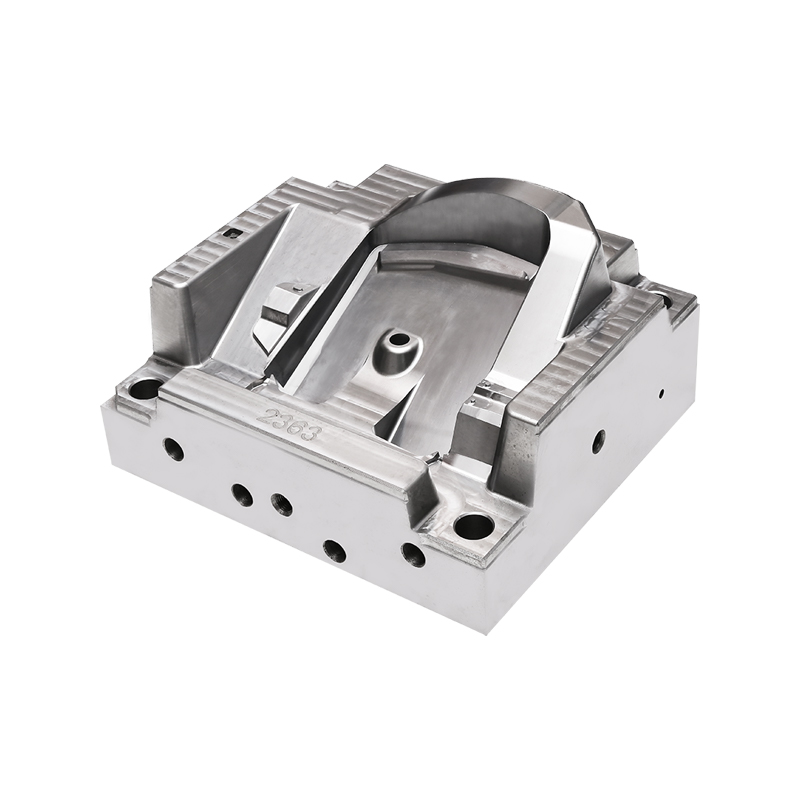
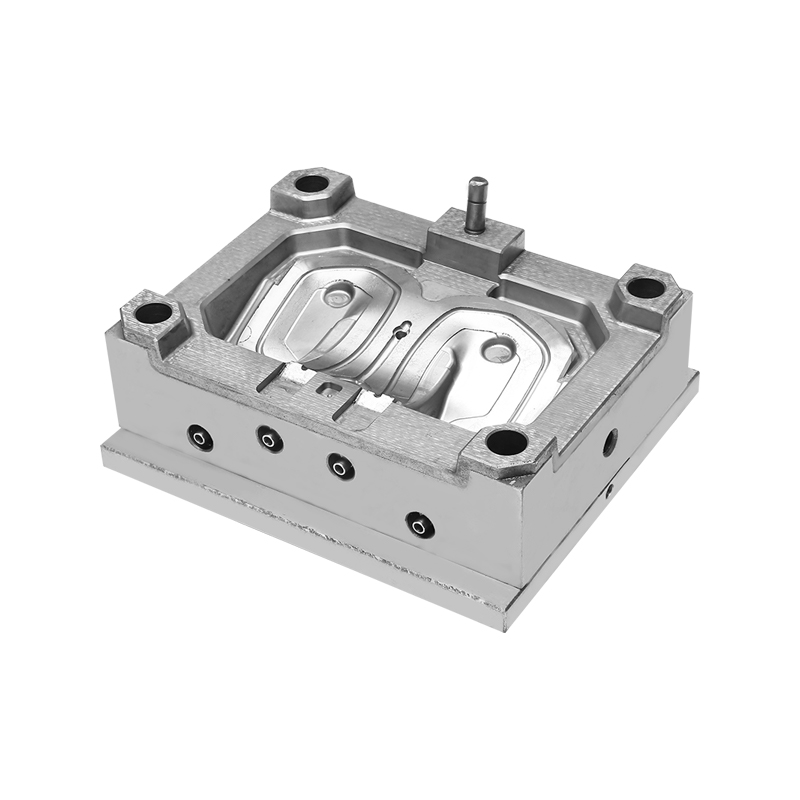
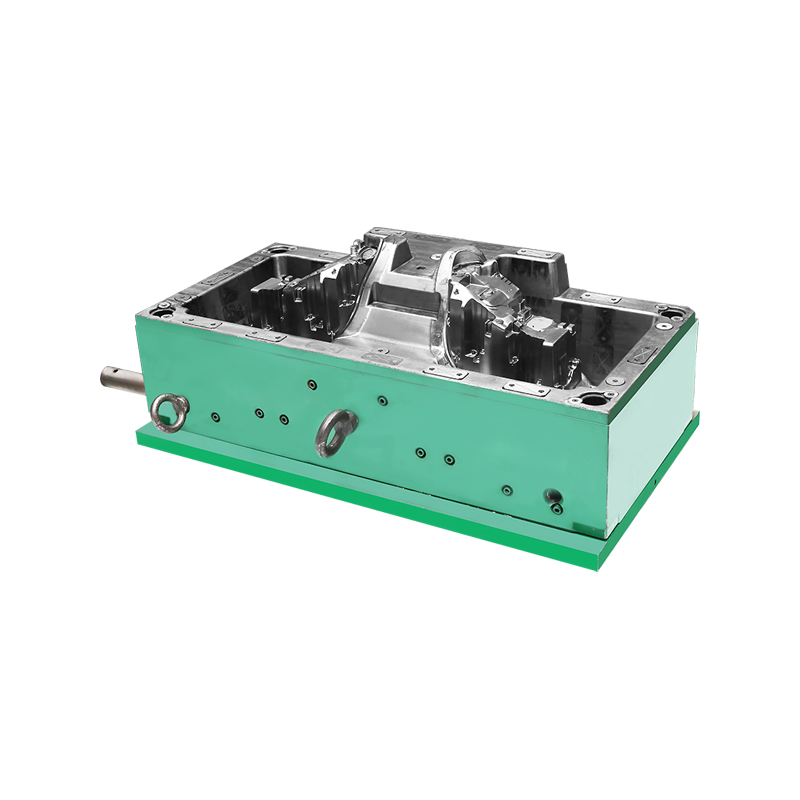
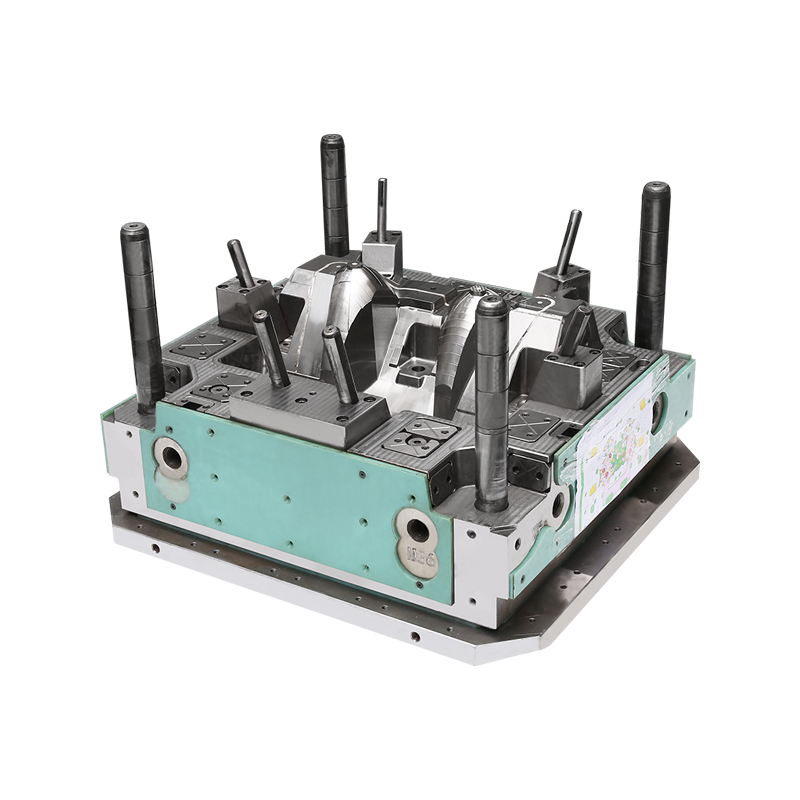
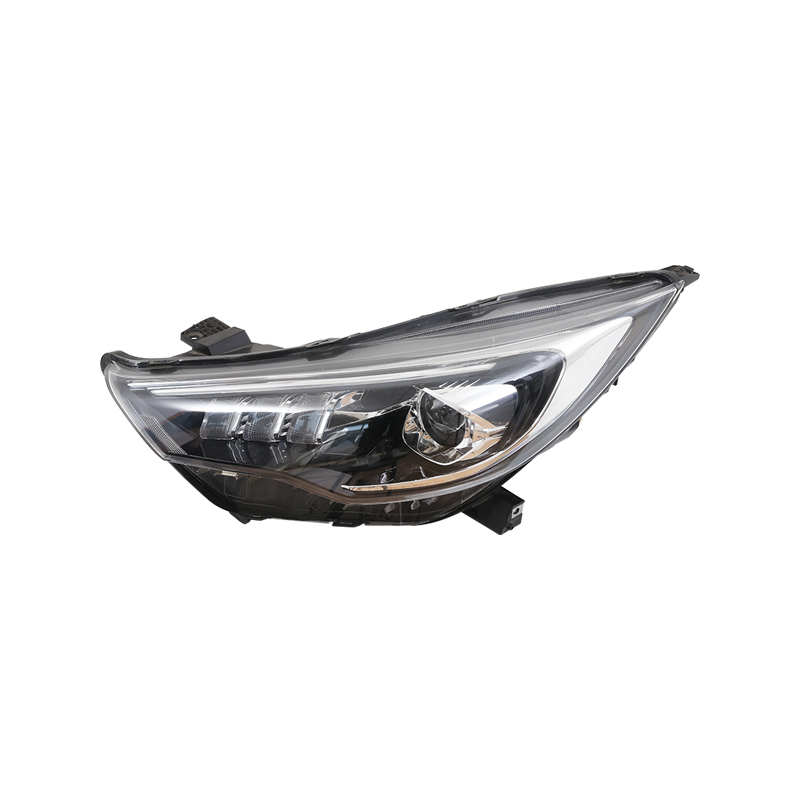
Spend time on a vehicle program and you'll hear the word "injection molding" more than almost any other manufacturing term. That's not an accident. From the dashboard to the door cladding to the bumper skin, the majority of plastic components in a modern vehicle come out of the same basic process: molten resin, high pressure, a steel tool, and a cooling cycle. Automotive injection molding is less a single technique than a discipline — one that sits at the intersection of materials science, precision tooling, and process control.
The process itself hasn't changed in its fundamentals for decades. Resin goes in, heat and pressure push it into a mold, the cavity cools, the part comes out. What has changed is how tightly every variable gets managed. Automotive tolerances don't forgive much. A body panel trim piece needs to close flush against sheet metal; an instrument panel substrate has to accept six or seven downstream assemblies without adjustment.
Material decisions tend to follow the part's location in the vehicle:
- Under-hood applications demand resistance to heat and chemicals. Glass-filled nylon and PPS are workhorses here — stable across thermal cycles, resistant to oils and coolants.
- Interior surfaces prioritize appearance and air quality. PP and ABS blends process well, take texture and color consistently, and keep VOC emissions within range.
- Exterior panels and bumpers need impact performance without weight penalty. TPO and rubber-modified polypropylene absorb minor impacts and flex rather than crack.
- Load-bearing structural parts are increasingly molded from long glass fiber reinforced thermoplastics, which offer enough stiffness to replace stamped metal brackets in selected applications.
Hot runner tooling has become the baseline expectation on volume automotive programs. Keeping resin molten through the runner system rather than letting it solidify as scrap cuts cycle time, reduces waste, and gives the toolmaker latitude on gate positioning. Sequential valve gating layers on top of that for complex, large-area parts — managing how the flow front progresses across the tool to control weld line location and pressure distribution.
In production, consistency is what matters most. Process engineers watch melt temperature, injection pressure, hold pressure, cooling duration, and ejection force across every cycle. Statistical process control provides the early warning system — if any parameter drifts outside its control limits, the process gets reviewed before defective parts accumulate. The standard isn't producing good parts; it's producing parts identical enough to be interchangeable across a full model year.
Several process variants have extended the range of what's possible. Gas-assisted injection molding channels pressurized nitrogen into thick sections to hollow them out — reducing weight and eliminating the sink marks that would otherwise appear on the surface. Two-shot molding combines two materials or colors in a single machine cycle, removing the need for a separate assembly operation when, say, a soft-touch grip needs to bond directly to a rigid carrier. In-mold decoration integrates surface graphics into the molding cycle itself, permanently fusing a pre-printed film to the part before it ever leaves the tool. Micro-cellular foaming creates a fine internal structure within the part wall, trimming material density with an acceptable tradeoff in mechanical performance.
Lightweighting targets keep tightening, and that pushes Automotive Injection Molding processing conditions closer to their practical limits. Thinner nominal walls, hybrid assemblies, and structural composites all require tighter control to maintain dimensional stability than conventional parts did. The interaction between part geometry, tool design, and processing remains where of the real engineering problem-solving happens — and where the difference between a clean program and a troubled one often gets decided.