English
 中文简体
中文简体 русский
 Español
Production halls in automotive supply plants run continuous cycles of heating, injecting, and cooling plastic materials. Automotive Injection Molding turns raw polymer pellets into finished parts that later attach to vehicle bodies. The process delivers consistent shapes for bumpers, dashboard structures, door panels, and under-hood covers through controlled pressure and temperature.
Material Preparation and Melting
Polymer pellets such as polypropylene, ABS, or nylon enter a hopper above the injection unit. A rotating screw draws the material forward while heaters raise its temperature until it reaches a molten state. The screw then builds pressure, preparing a precise volume of material for the next shot. Sensors track melt temperature and viscosity so the material remains uniform before injection begins.
Once the required volume gathers at the front of the barrel, the machine switches to injection mode. The screw advances rapidly, forcing the molten plastic through a nozzle and into the closed mold. High pressure fills every cavity and detail within seconds.
Mold Filling and Cooling
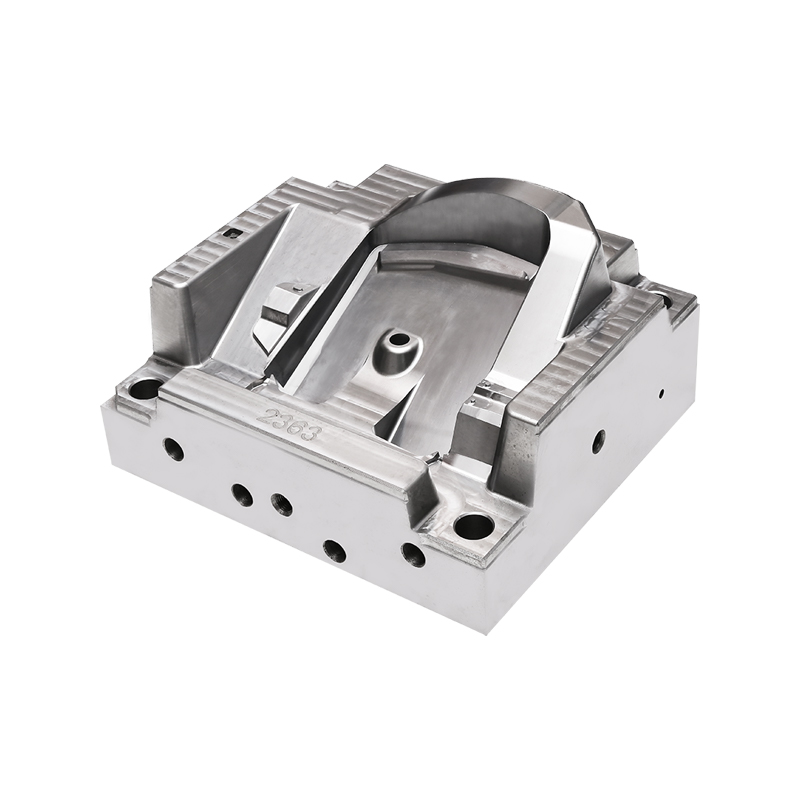
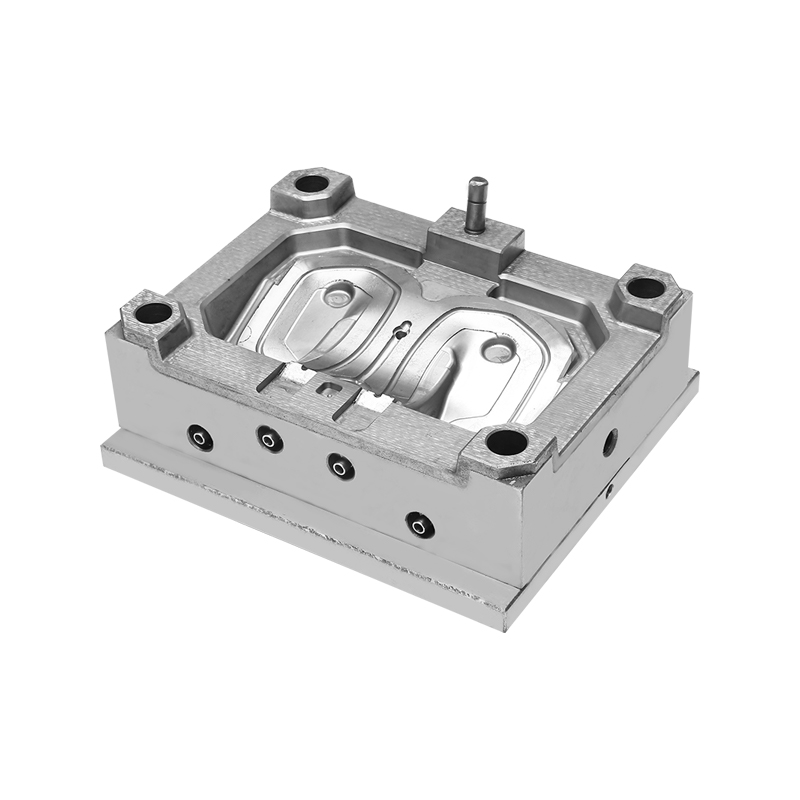
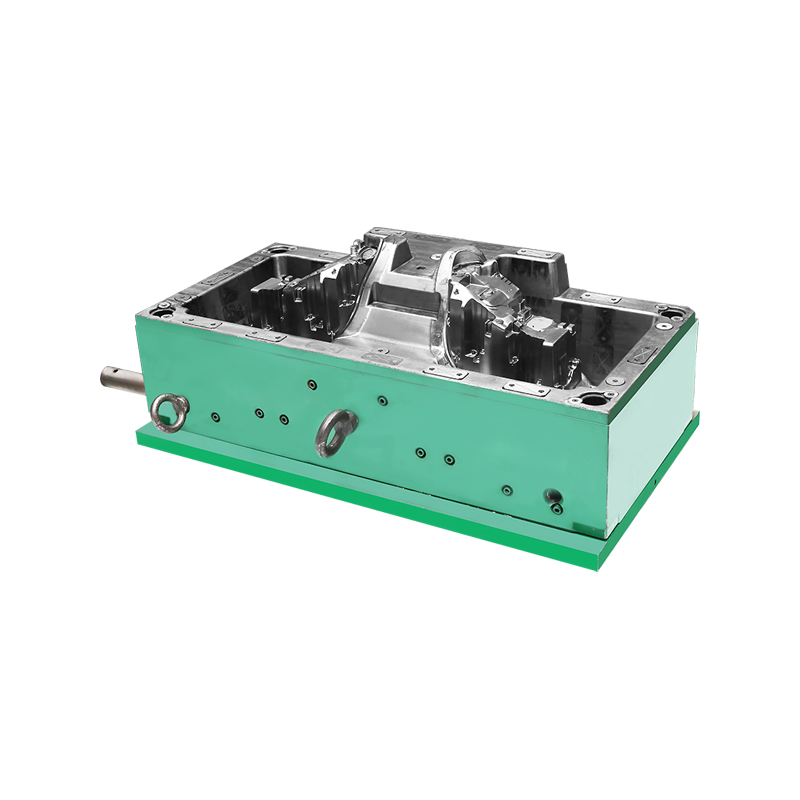
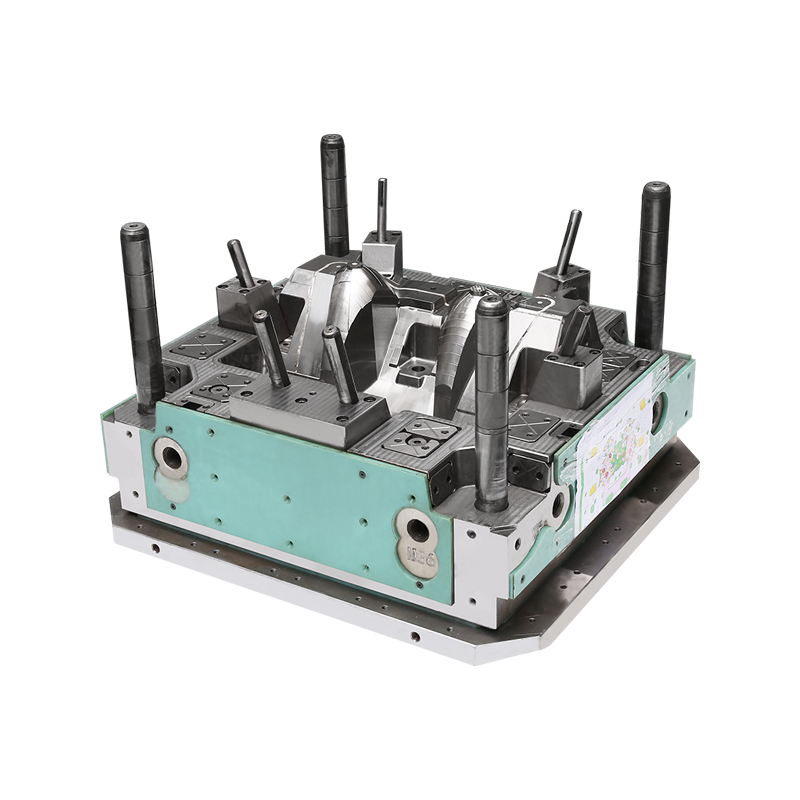
The mold itself consists of two hardened steel halves that clamp together with significant force. Cooling channels circulate water through the tool, drawing heat from the plastic so it solidifies in a controlled manner. Cycle times vary according to part thickness and material type, yet the sequence remains repeatable across thousands of shots.
When the plastic reaches sufficient rigidity, the mold opens. Ejector pins push the finished part free, and robotic arms or conveyors move it to the next station. The mold closes again, and the next injection cycle starts without delay. Automotive Injection Molding maintains this rhythm across multiple machines working in parallel.
Common Automotive Applications
Exterior parts such as bumper covers and grille openings rely on the process for their large size and complex curves. Interior components including instrument panel carriers, center consoles, and door trim panels also form through the same method. Under-hood applications cover engine covers, air intake ducts, and fluid reservoirs that must withstand heat and vibration.
Multi-cavity molds produce smaller items such as clips, fasteners, and switch housings in higher volumes during a single cycle. Overmolding techniques combine different materials in successive shots, creating soft-touch surfaces on rigid bases for buttons and handles.
Process Controls and Consistency
Closed-loop systems monitor injection speed, packing pressure, and holding time. Any deviation triggers automatic adjustments or alerts operators to intervene. Dimensional checks occur at regular intervals using coordinate measuring machines or optical scanners. These steps confirm that critical features such as mounting holes and sealing surfaces stay within specified tolerances.
Automotive Injection Molding also accommodates inserts. Metal bushings or threaded fittings load into the mold before injection, becoming permanently embedded in the finished plastic part. This approach reduces secondary assembly steps later on the vehicle line.
Integration with Vehicle Production
Finished components leave the molding plant in protective packaging and travel to vehicle assembly facilities. There they join stamped metal and other plastic parts during body-in-white or final assembly stages. The dimensional accuracy achieved during molding supports straightforward fit-up and reduces the need for on-line adjustments.
Different vehicle platforms share common mold bases with interchangeable inserts, allowing suppliers to switch between related part designs with limited downtime. This flexibility helps match production volumes to changing assembly schedules.
Across the supply chain, Automotive Injection Molding remains a core method for converting polymer materials into functional vehicle components. The combination of precise material control, robust tooling, and repeatable cycles supplies the consistent parts that vehicle manufacturers require for daily output.