English
 中文简体
中文简体 русский
 Español
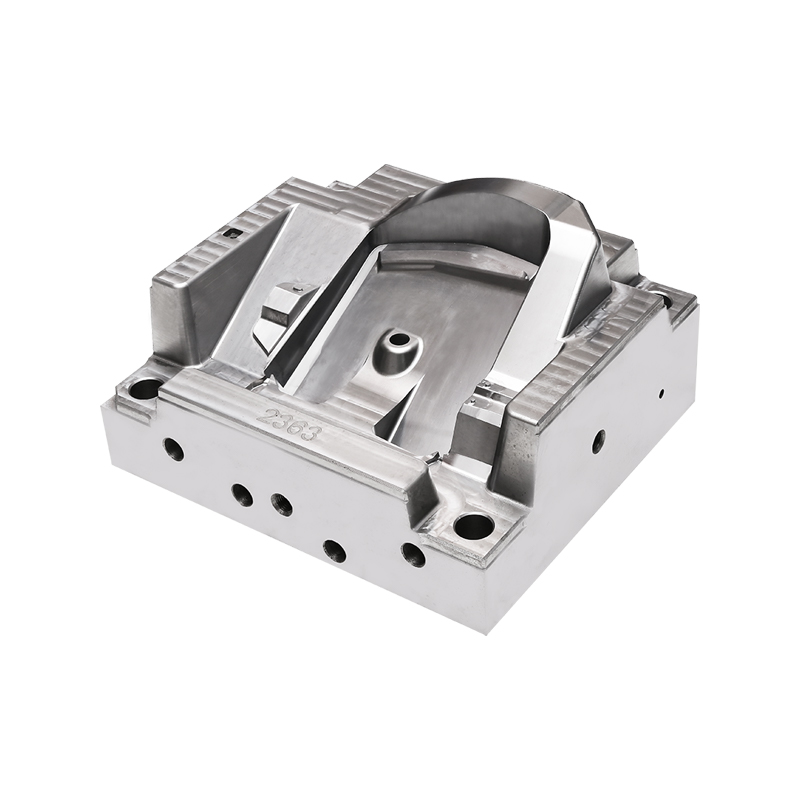
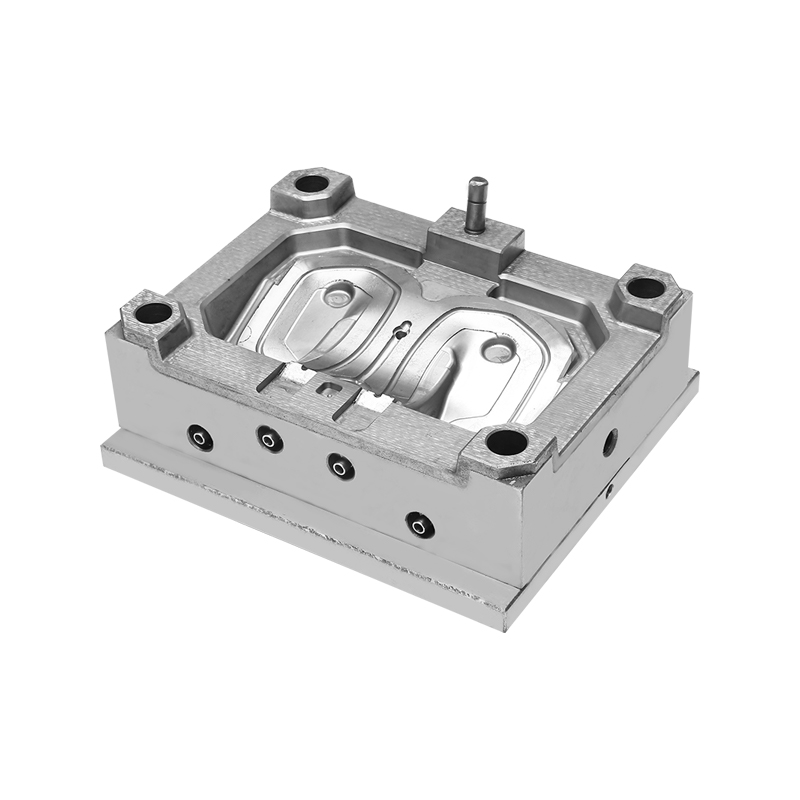
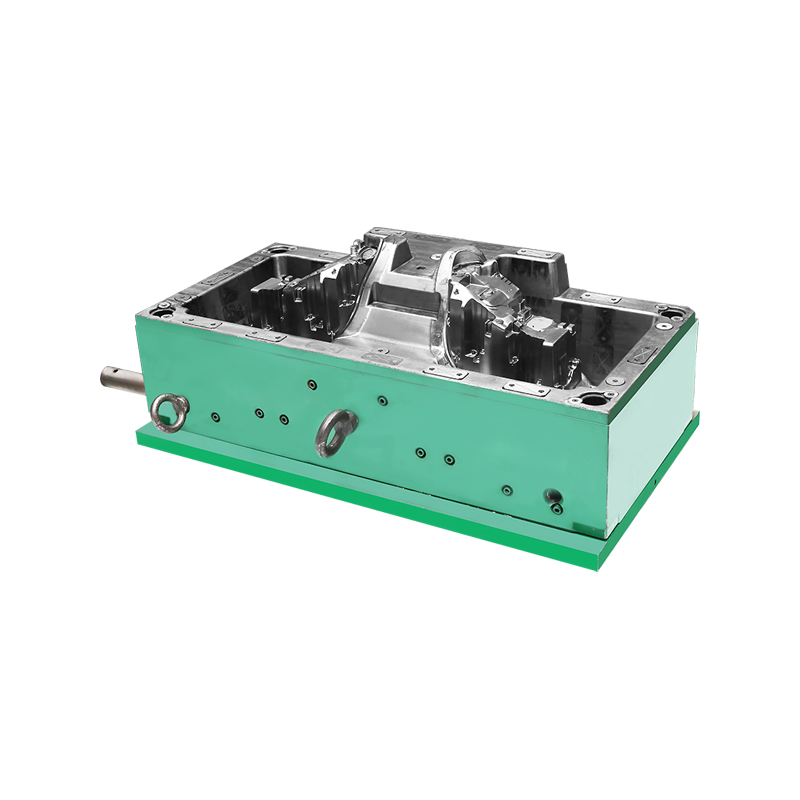
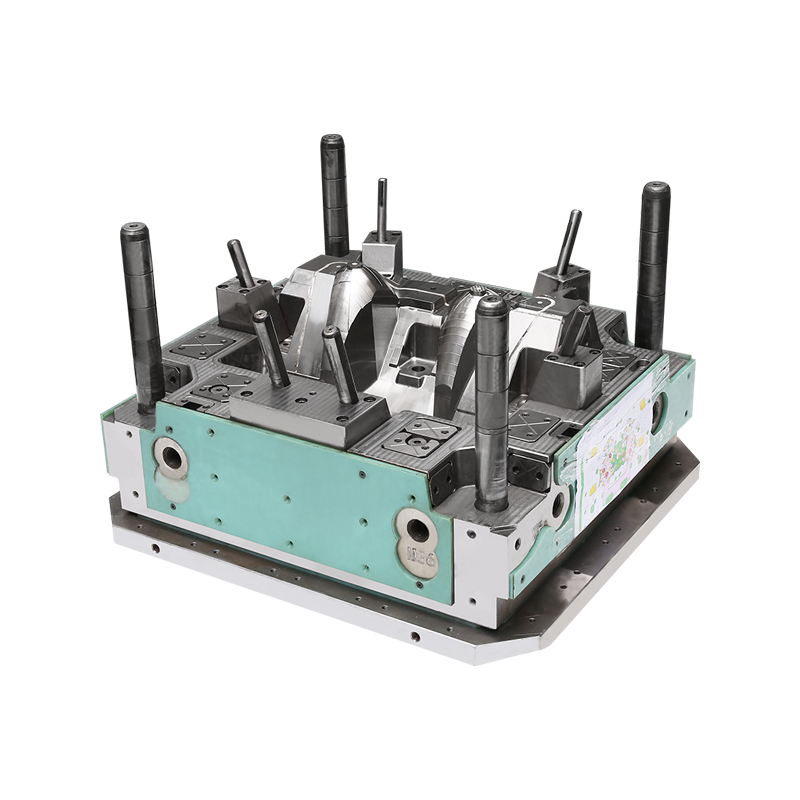
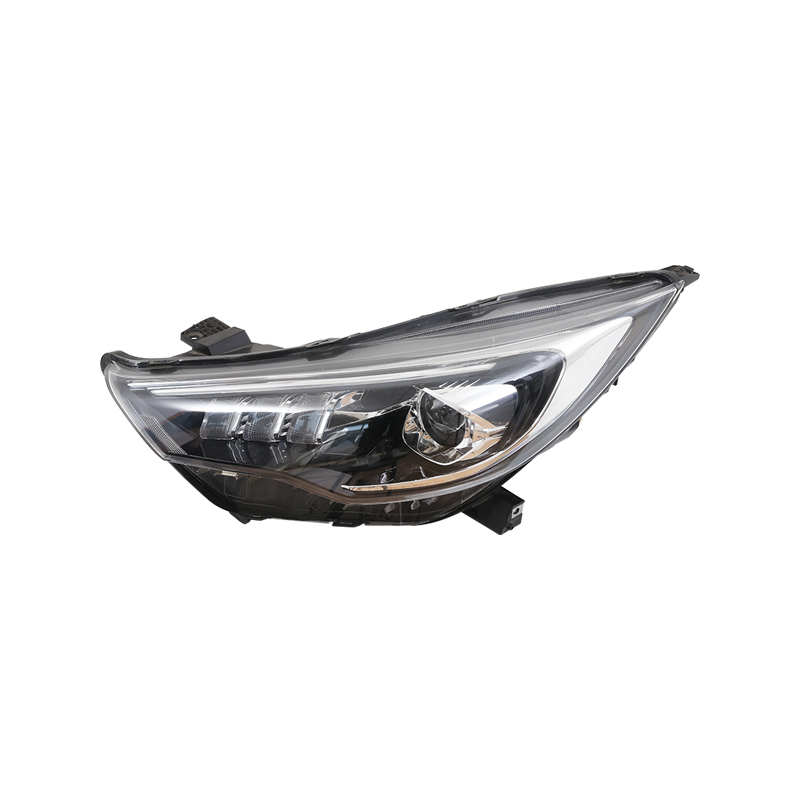
Automotive injection molding has become a cornerstone of modern vehicle manufacturing, providing an efficient and precise method for producing a wide variety of components. This process involves injecting molten materials into custom-designed molds, where the materials solidify into complex shapes required for automotive parts. From dashboard panels to engine components, door trims, and underbody parts, injection molding offers consistent quality, high repeatability, and the flexibility to meet the diverse demands of the automotive industry.
The choice of materials in automotive injection molding plays a crucial role in performance and longevity. High-performance plastics, polymers, and composites are widely used due to their strength, light weight, and resistance to heat and chemical exposure. These materials allow manufacturers to produce components that meet both structural and aesthetic requirements while reducing overall vehicle weight.
Precision and consistency are defining features of automotive injection molding. Advanced machinery, including high-speed injection presses and computer-controlled temperature regulation, ensures that each component meets exact specifications. Complex geometries, thin-walled structures, and intricate surface textures can be produced with remarkable accuracy, which is essential for parts that require tight tolerances and seamless integration into vehicle assemblies. The ability to maintain uniformity across large production volumes enhances reliability and reduces defects, supporting high-quality manufacturing standards.
Automotive injection molding also allows for innovative designs and functionality. Multi-material and overmolding techniques enable the combination of different materials in a single part, creating components with enhanced strength, flexibility, and visual appeal. Decorative finishes, texturing, and integrated features such as clips or fasteners are possible within the same molding process, demonstrating the versatility and creative potential of this technology. These capabilities not only improve aesthetics but also simplify assembly and reduce production steps.
Efficiency and scalability are additional advantages of automotive injection molding. The process supports rapid production of identical parts, allowing manufacturers to meet high demand while controlling costs. Molds can be designed for long-term use, and modular configurations enable quick adaptation to different models or part variations. Advanced simulation and computer-aided design tools assist engineers in optimizing flow, cooling, and material usage, further enhancing production speed and component quality. These efficiencies make injection molding an indispensable tool for modern vehicle assembly lines.
Quality control remains a critical component of automotive injection molding. Components undergo rigorous inspection for dimensional accuracy, surface finish, and material integrity. Any deviation from standards can affect assembly, performance, or safety, making precision molds and monitoring processes essential. Continuous improvements in mold design, machine calibration, and automated inspection systems help maintain high standards and minimize waste, ensuring that each part contributes to the overall reliability and performance of the vehicle.
Sustainability considerations have become increasingly important in automotive injection molding. Manufacturers focus on reducing scrap, optimizing energy consumption, and recycling materials whenever possible. Using eco-friendly polymers and efficient molding practices aligns with industry goals for sustainable production and lower environmental impact, demonstrating that high-quality manufacturing and responsible production can coexist.
Automotive injection molding exemplifies the combination of engineering excellence, material science, and production efficiency. It enables manufacturers to produce components that are strong, lightweight, and precisely engineered to meet performance, safety, and aesthetic standards. The process continues to shape modern automotive manufacturing, providing versatility, reliability, and innovation across a wide range of vehicle parts. Its integration into production reflects the industry’s commitment to precision, quality, and technological advancement, ensuring that injection-molded components remain central to contemporary vehicle design and assembly.