English
 中文简体
中文简体 русский
 Español
The automotive industry has relied on injection molding for decades, but recent manufacturing changes are reshaping how automotive plastic injection mold projects are designed, produced, and maintained. From dashboard structures to battery-related housings, plastic injection molds now support a wider range of automotive applications than they did even a few years ago.
Why Automotive Plastic Injection Mold Technology Matters
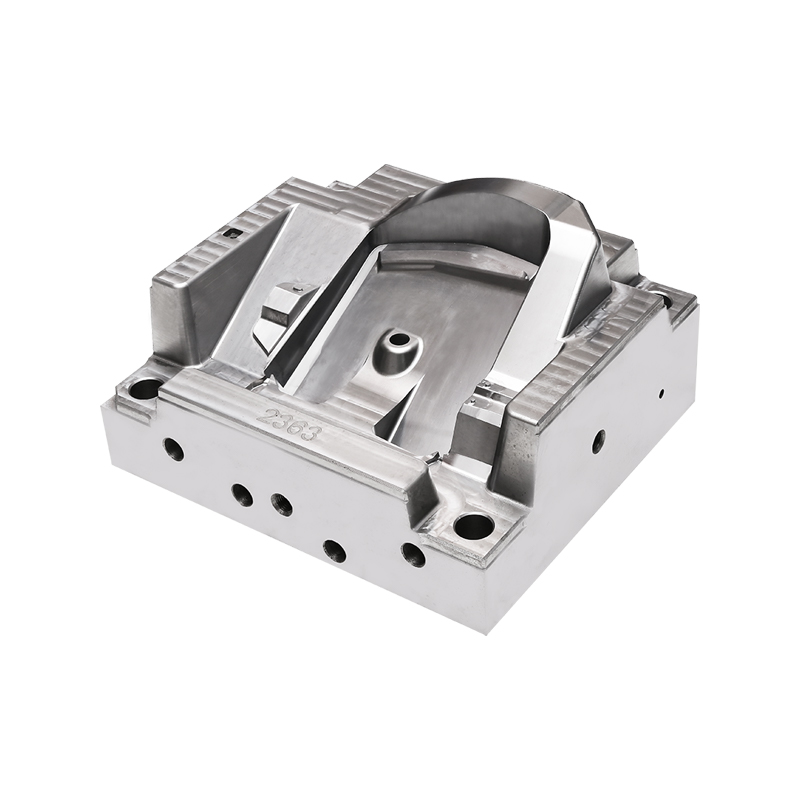
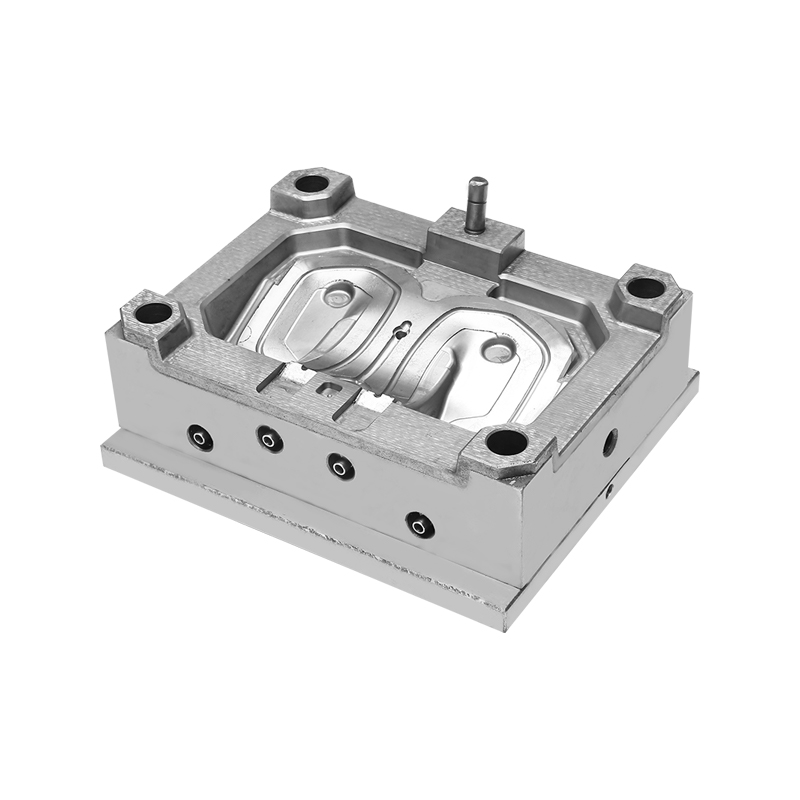
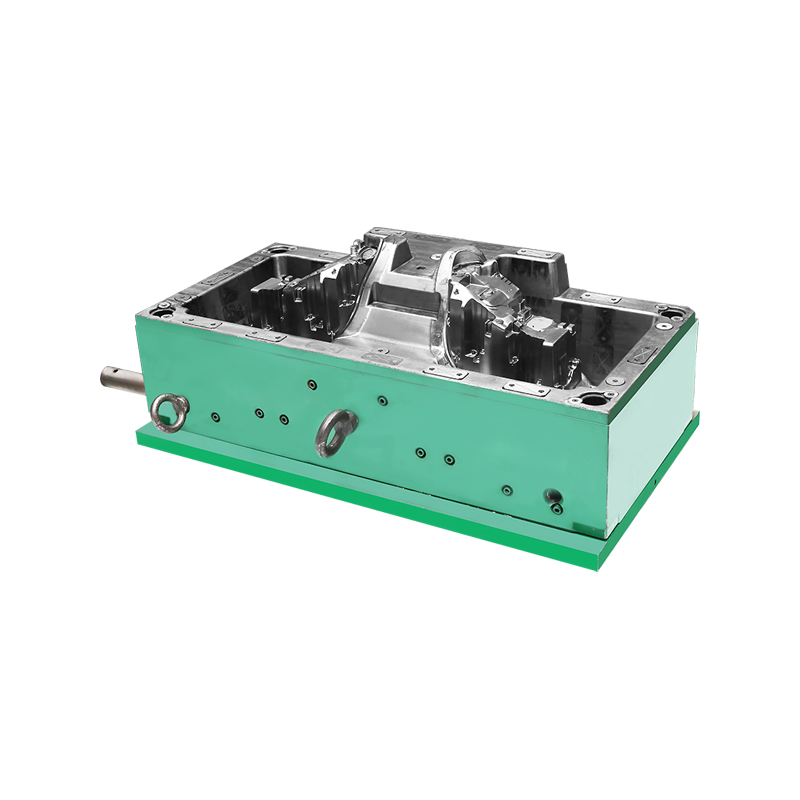
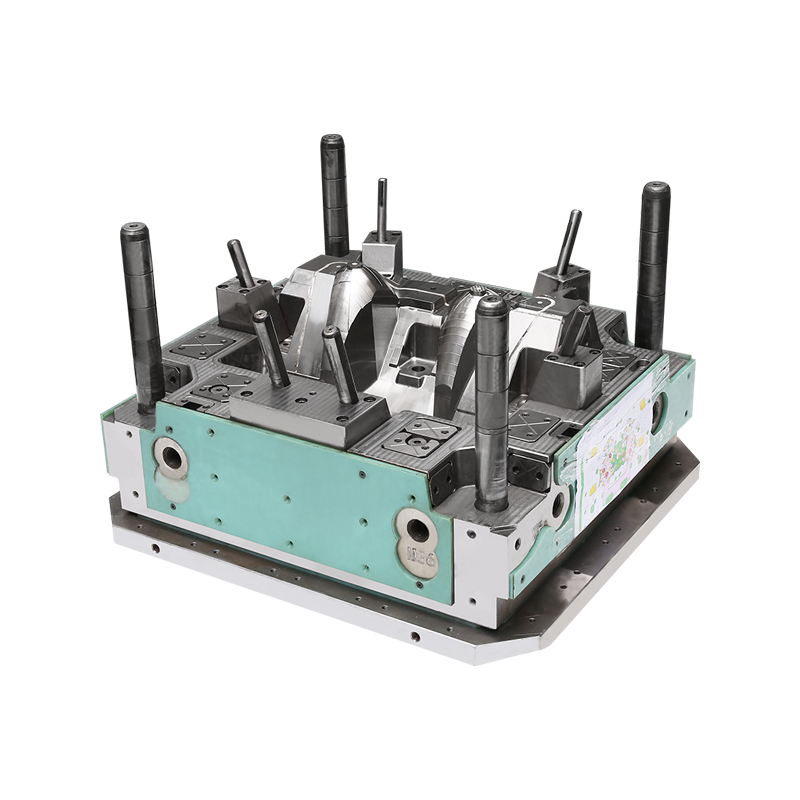
An automotive plastic injection mold is a precision tool used to form plastic vehicle components through heat and pressure. Molten plastic material is injected into a mold cavity, cooled into shape, and then released as a finished part. The process is repeated continuously during production.
The technology supports both interior and exterior vehicle components, including:
- Instrument panels
- Air vent assemblies
- Door trim components
- Sensor housings
- Connector covers
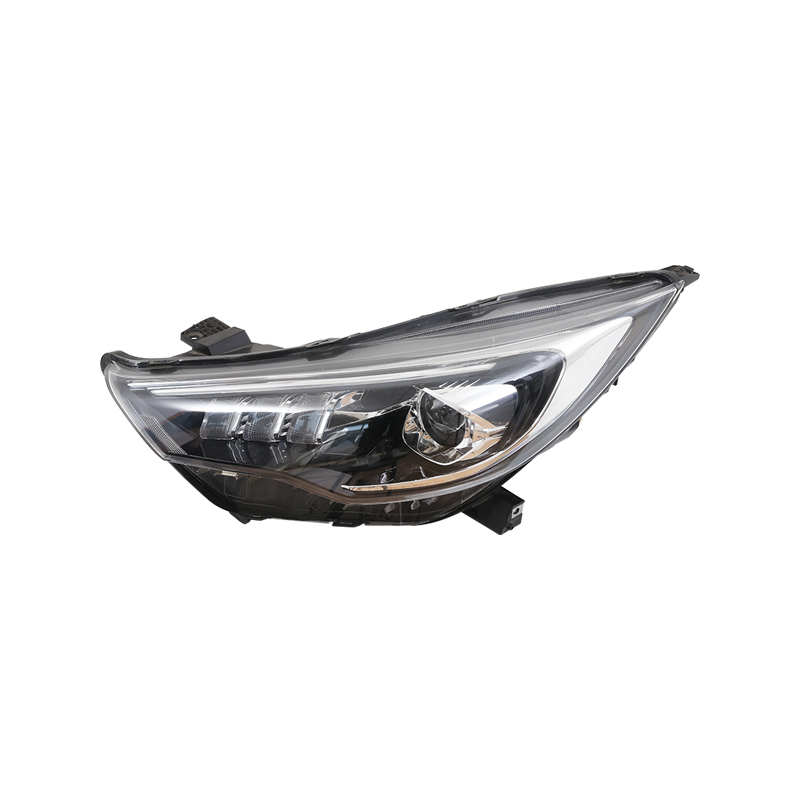
- Lighting structures
- Battery management parts
- Under-hood plastic components
Automotive manufacturers rely on injection molding because it allows consistent production across large volumes while maintaining dimensional accuracy. Modern vehicles contain hundreds of molded plastic parts, many of which must meet strict fit and durability requirements.
Lightweight Vehicle Development Is Increasing Mold Complexity
Weight reduction has become an important factor in automotive engineering. Lower vehicle weight can support energy efficiency, extend EV driving range, and reduce mechanical load on various systems.
As a result, manufacturers are replacing some metal components with engineering plastics and reinforced composite materials. This transition affects mold design directly because these materials behave differently during injection and cooling.
Complex geometries are also becoming more common. Thin-wall designs, integrated clips, and multi-functional structures require tighter tooling tolerances than traditional automotive plastic parts.
Electric Vehicles Are Creating New Tooling Requirements
Electric vehicle production has introduced several categories of automotive plastic injection mold programs that previously had limited demand.
Battery systems require insulated housings, thermal management components, cable protection structures, and lightweight support parts. Many of these applications involve flame-retardant engineering plastics that require controlled molding conditions.
In EV platforms, packaging space is limited, so molded parts often combine multiple functions into one structure. A single molded component may include mounting points, airflow channels, and electrical routing features simultaneously.
This has increased the importance of simulation during mold development. Mold flow analysis is commonly used to evaluate filling behavior, cooling balance, shrinkage, and potential warpage before production begins.
Manufacturers are also paying closer attention to thermal stability. EV-related components may experience continuous heat exposure, which places additional demands on both material selection and mold temperature control systems.
Cooling System Design Is Receiving More Attention
Cycle time remains one of the key factors in injection molding productivity. Cooling accounts for a large percentage of the total molding cycle, especially for larger automotive components.
Traditional cooling channels are usually drilled in straight lines through the mold base. However, complex automotive parts often cool unevenly with this approach, creating internal stress or dimensional variation.
To address this, some mold manufacturers are adopting conformal cooling designs. These cooling channels follow the contour of the cavity more closely, helping distribute temperature more evenly throughout the mold.
Additive manufacturing methods have made conformal cooling more practical for selected tooling applications. Although the process adds manufacturing cost, it may reduce cycle time and improve part consistency in certain production environments.
Temperature monitoring systems are also becoming more common in Automotive Plastic Injection Mold operations. Sensors can track mold temperature changes during production and help operators identify instability before defects increase.