English
 中文简体
 русский
 Español

How Mold Design Shapes Automotive Plastic Parts
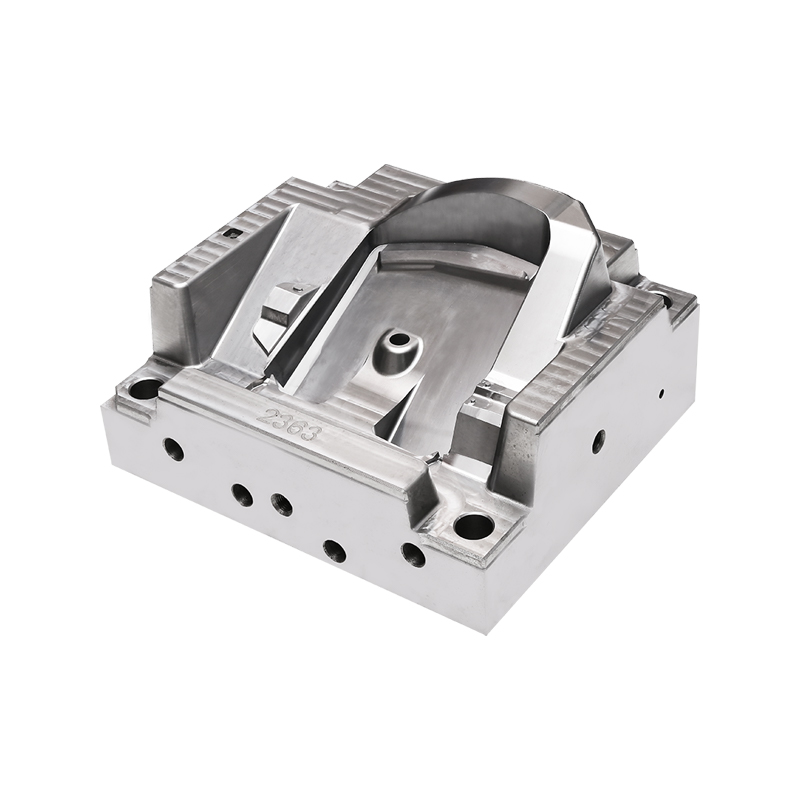
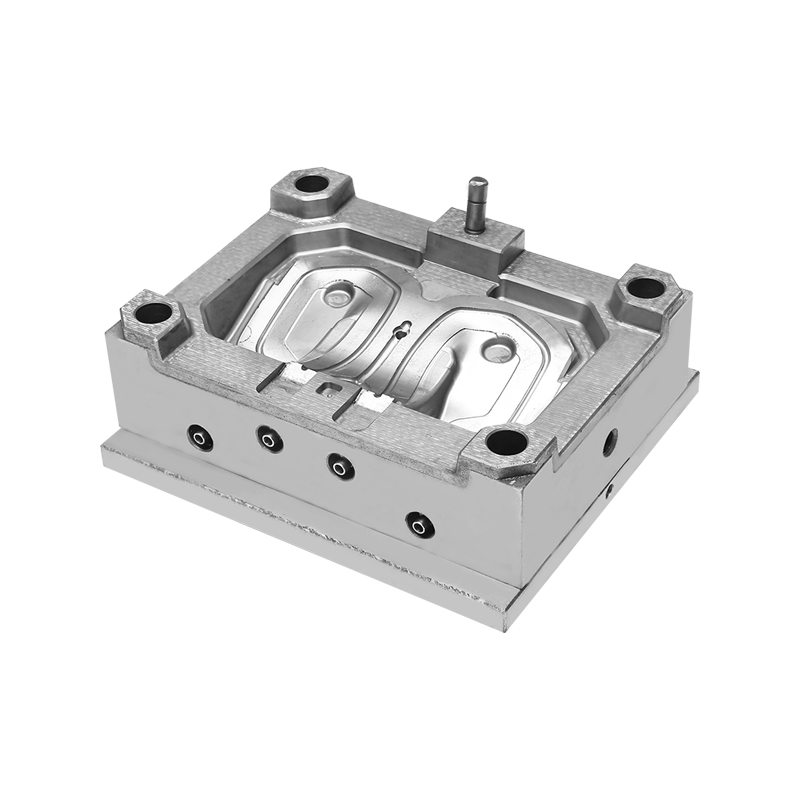
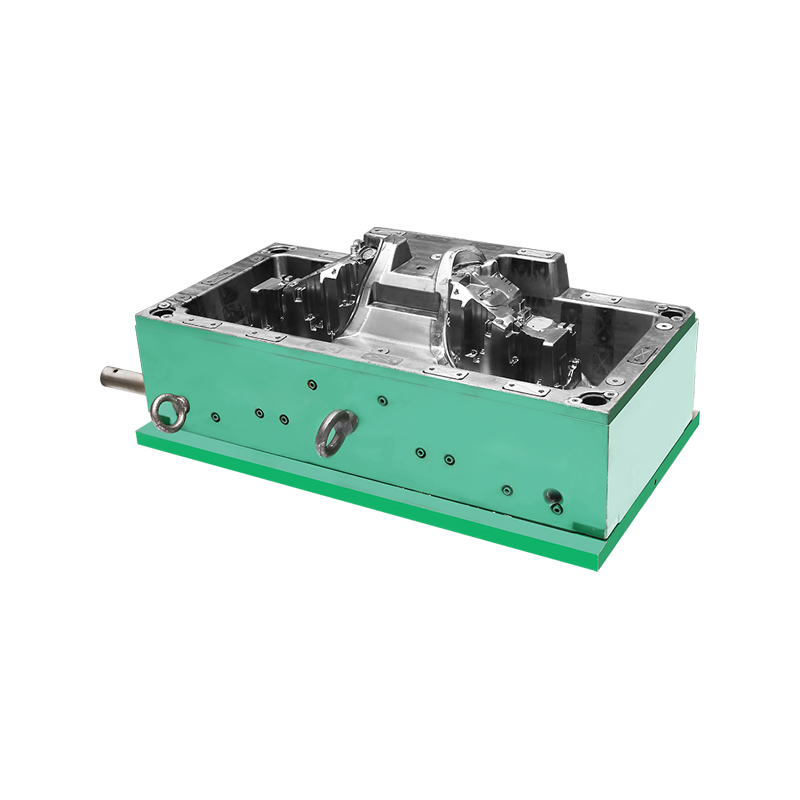
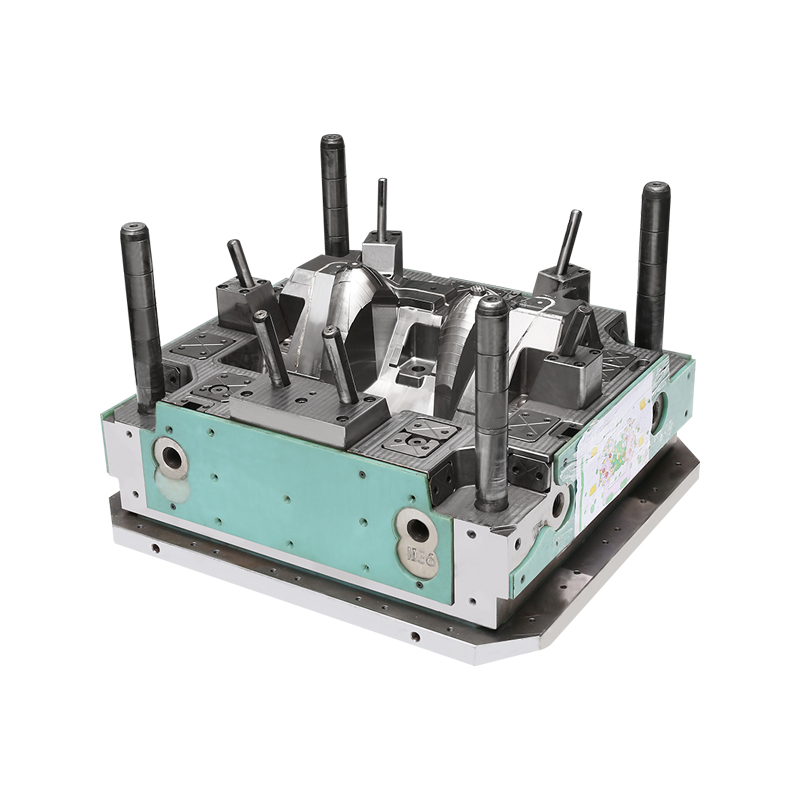
Plastic components appear throughout modern vehicles, from dashboard panels and door trims to electrical housings and engine compartment covers. Behind these parts, an Automotive Plastic Injection Mold determines how molten plastic enters a cavity, takes shape, and forms the required geometry during production.
Unlike general-purpose plastic molds, an Automotive Plastic Injection Mold often needs to accommodate specific assembly structures, surface finishes, dimensional requirements, and functional features. A small change in a mounting clip or locating point can affect how a component fits into a larger vehicle assembly.
For manufacturers, mold development begins with the part itself. Designers need to understand wall thickness, ribs, bosses, openings, draft angles, and other structural details before deciding how the mold should be built. These features influence material flow, cooling behavior, ejection, and the final shape of the molded component.
Material Selection Influences Mold Development
Automotive plastic parts serve different purposes, so material selection depends on the component's working conditions and physical requirements. Polypropylene, ABS, polyamide, and polycarbonate are among the materials used in automotive applications.
Each material behaves differently during injection molding. Flow characteristics, shrinkage, stiffness, and heat response can affect cavity design and processing conditions. An Automotive Plastic Injection Mold developed for one resin may require adjustments before it can produce a part from another material.
Material considerations commonly include:
- Mechanical properties: Stiffness, impact behavior, and flexibility affect how a component performs in its intended position.
- Molding characteristics: Melt flow and shrinkage influence gate placement, cavity dimensions, and dimensional consistency.
Considering these factors during mold development helps manufacturers reduce design conflicts between the plastic part and its production process.
Gate Placement and Cooling Affect Part Quality
Gate location determines where molten plastic enters the cavity. Poor placement can contribute to uneven filling, visible flow marks, weld lines, or localized stress. For parts with visible surfaces, such as instrument panels and interior trim, these defects may affect appearance and assembly acceptance.
Cooling is another important part of the process. Plastic must cool sufficiently to retain its intended shape before ejection. Differences in wall thickness can create uneven cooling, which may warpage or dimensional variation.
An Automotive Plastic Injection Mold therefore needs a cooling layout suited to the component's geometry. Cooling channels, gate positions, and the location of ejector pins all require consideration during mold design.
The relationship between these elements becomes especially important when a component includes deep ribs, narrow sections, multiple mounting points, or large decorative surfaces.
Automotive Applications Require Different Mold Structures
Automotive manufacturers use injection-molded plastic parts in numerous vehicle systems. The structure of an Automotive Plastic Injection Mold varies according to the part's size, shape, production requirements, and assembly function.
Common applications include:
- Interior components: Center console parts, dashboard panels, door trim, seat covers, and decorative inserts.
- Exterior components: Grille elements, mirror housings, bumper-related parts, and trim pieces.
- Electrical components: Connector housings, sensor enclosures, and protective covers.
- Under-hood components: Selected fluid-related housings, brackets, and other parts made from suitable engineering plastics.
These applications create different tooling challenges. Large interior panels may require attention to surface appearance and warpage, while electrical housings often contain detailed slots, ribs, and fastening features. Some components also require side actions or lifters to release undercuts that cannot be formed using a simple straight-pull mold.