English
 中文简体
中文简体 русский
 Español
Automotive plastic injection moulding serves as a manufacturing method that produces plastic parts used in vehicles. The process takes plastic resin in pellet form and turns it into shaped components through heat and pressure. Factories apply this technique to create items such as interior panels, exterior trim pieces, dashboard elements, and structural brackets. The resulting parts fit into vehicle assembly where they attach to metal frames or other systems. Automotive plastic injection moulding allows for the production of complex shapes with consistent dimensions across many units.
Companies in the sector operate facilities equipped with injection machines that handle the material flow from raw pellets to finished items. These organizations manage the coordination between material preparation, mould operation, and part removal. The method supports the creation of lightweight elements that contribute to vehicle construction. Production runs generate batches of parts that move directly to assembly areas. The technique relies on precise control of temperature and pressure to form the plastic according to the mould design. Automotive plastic injection moulding appears in routines for supplying the automotive industry with plastic components.
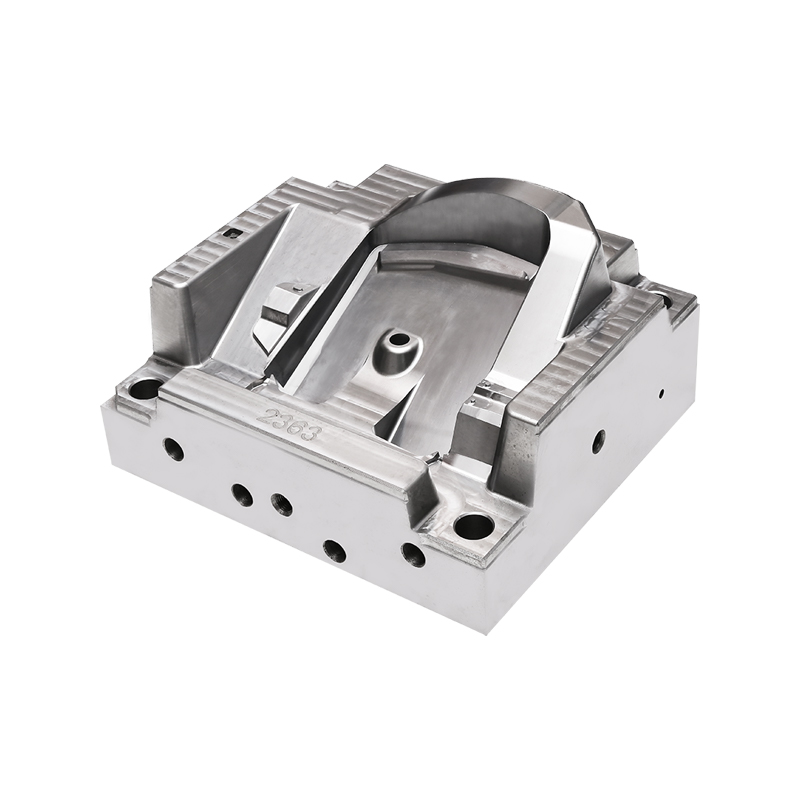
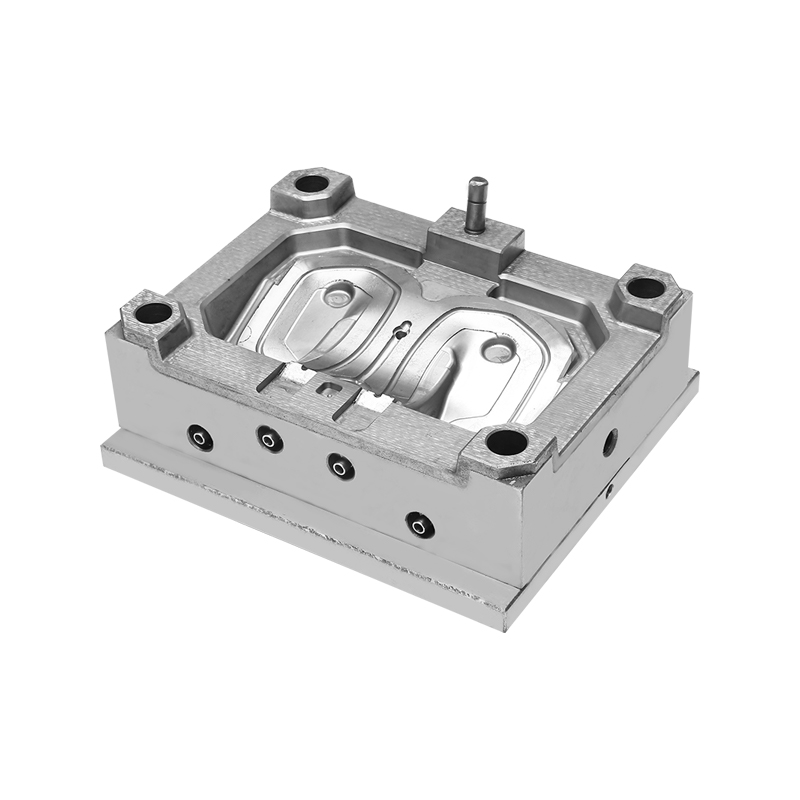
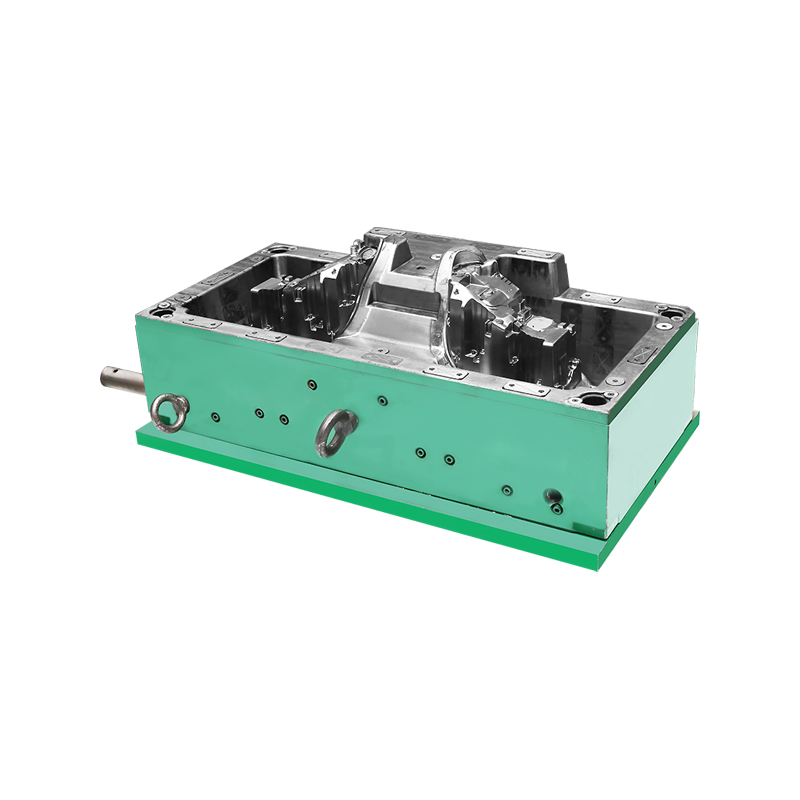
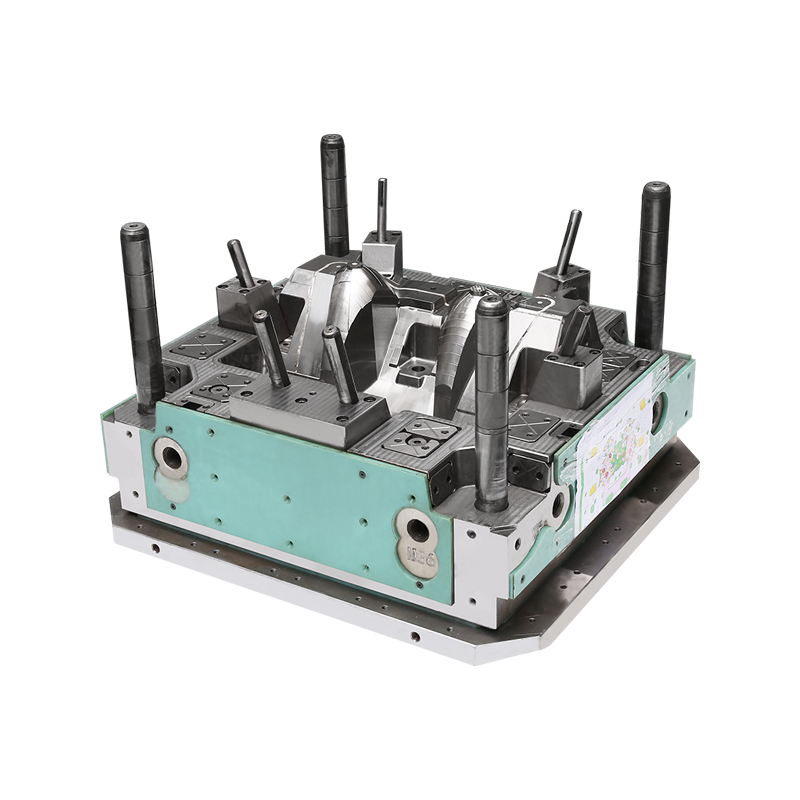
Companies engaged in automotive plastic injection moulding maintain production sites that focus on converting plastic materials into vehicle-ready parts. These firms handle the setup of injection moulding machines arranged in rows across factory floors. Teams prepare plastic pellets by drying them to remove moisture before feeding them into the machine hoppers. Machine operators set parameters for each job based on the specific part requirements. The facilities include mould storage areas where large steel moulds wait for mounting onto the press.
Companies coordinate with suppliers to receive resin grades suited for automotive applications. Production planning teams schedule runs to match delivery timelines for vehicle manufacturers. The operations involve multiple shifts to keep the machines active for continuous output. Quality stations check parts after ejection to verify dimensions and surface conditions. This setup allows companies to deliver consistent batches of moulded components for use in cars and trucks.
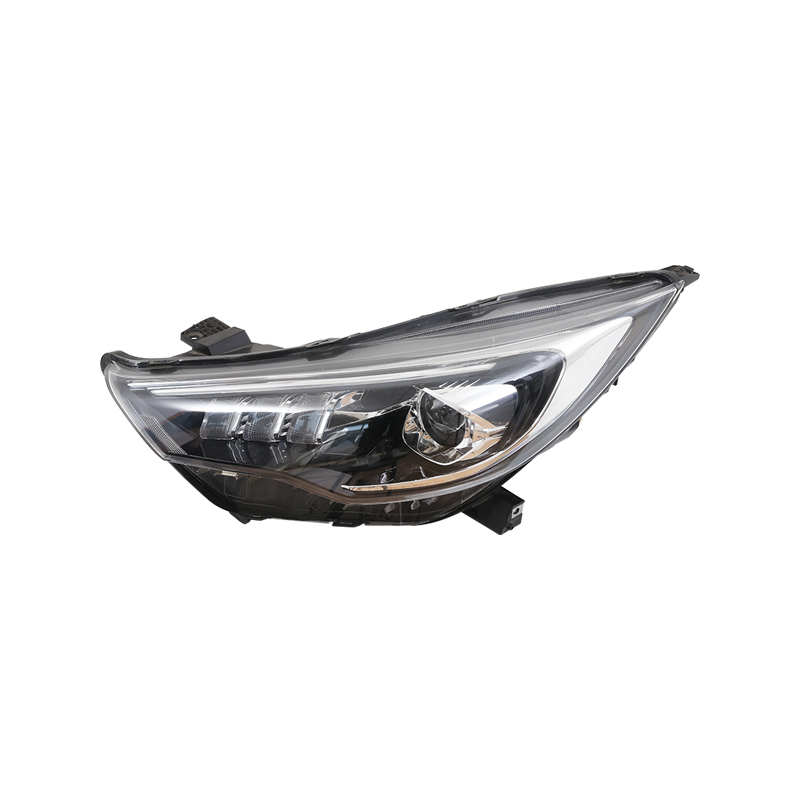
The products from automotive plastic injection moulding include a variety of components installed in vehicles. Interior parts such as door panels, center consoles, and air vent grilles come from this process. Exterior items include bumper covers, mirror housings, and wheel arch liners. Under-hood components like battery trays and fluid reservoirs also result from injection moulding. These products feature thin walls in some areas and thicker sections in others to balance strength and weight. Surface textures range from smooth finishes to patterned grips depending on the part function.
Automotive plastic injection moulding creates parts with integrated clips or mounting points that simplify assembly. The moulded items arrive at vehicle plants in crates or on pallets for direct installation. Colors are achieved either through pigmented resin or secondary painting steps. The parts demonstrate repeatability so that each unit matches the design specifications. Manufacturers produce these components in volumes that align with production schedules of car assembly lines. The range of shapes possible with the process supports diverse vehicle models and trim levels.
Automotive plastic injection moulding supports the formation of both small detailed pieces and larger structural elements. The combination of heat, pressure, and precise mould geometry determines the final shape and properties of each component.