English
 中文简体
中文简体 русский
 Español
Automotive plastic injection moulding turns resin into the many plastic components found in modern vehicles. Factories use this process to create parts that go into dashboards, bumpers, and interior trim. Procurement teams source moulding services and tooling to keep production lines supplied with consistent pieces.
Role in Vehicle Manufacturing
The process fits into the broader automotive supply chain where lightweight parts help control vehicle weight. Injection moulding produces items in large numbers with good repeatability. This method supports the high output needed for car and truck assembly plants.
Buyers look for partners who can deliver parts that match exact specifications across thousands of cycles. The technology handles both simple clips and more detailed interior panels used in different vehicle models.
How the Process Runs
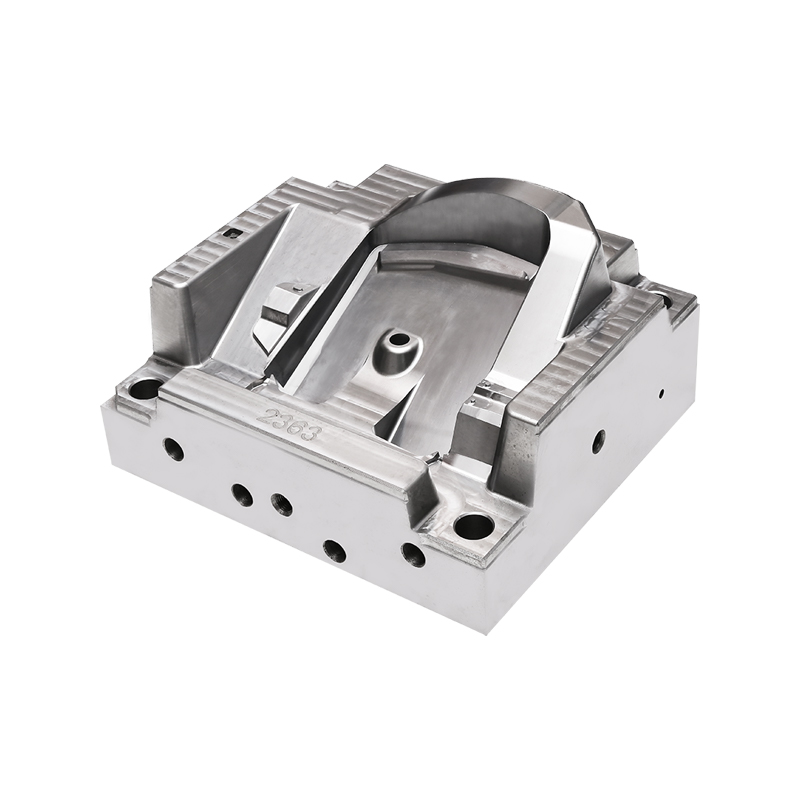
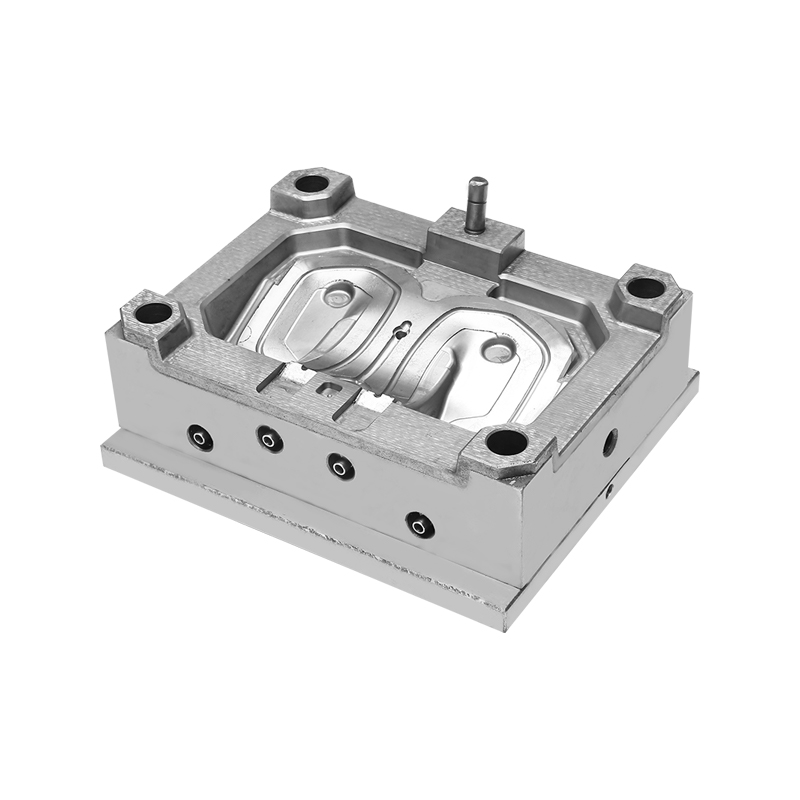
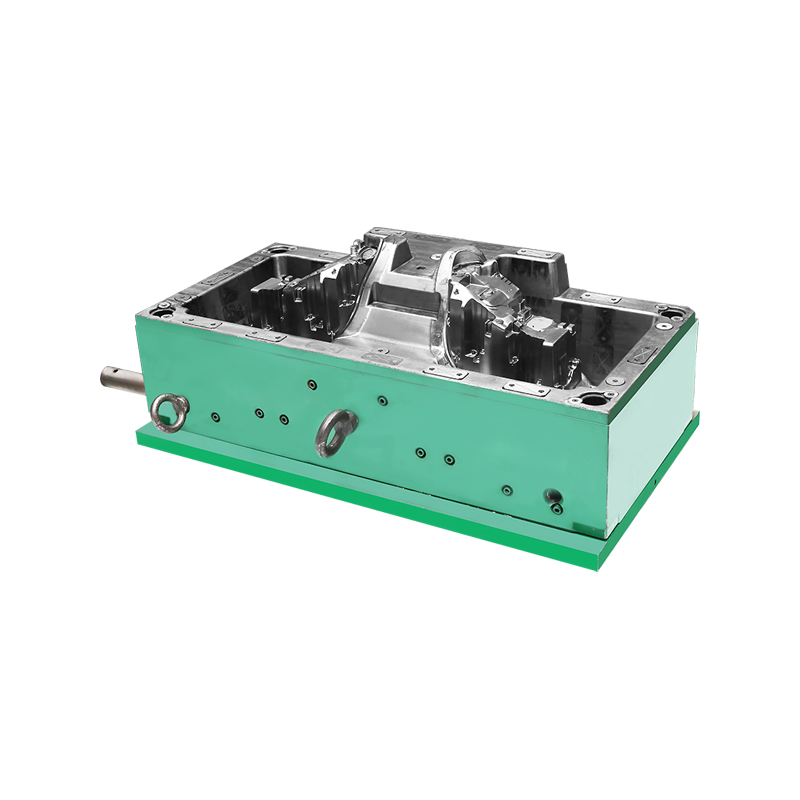
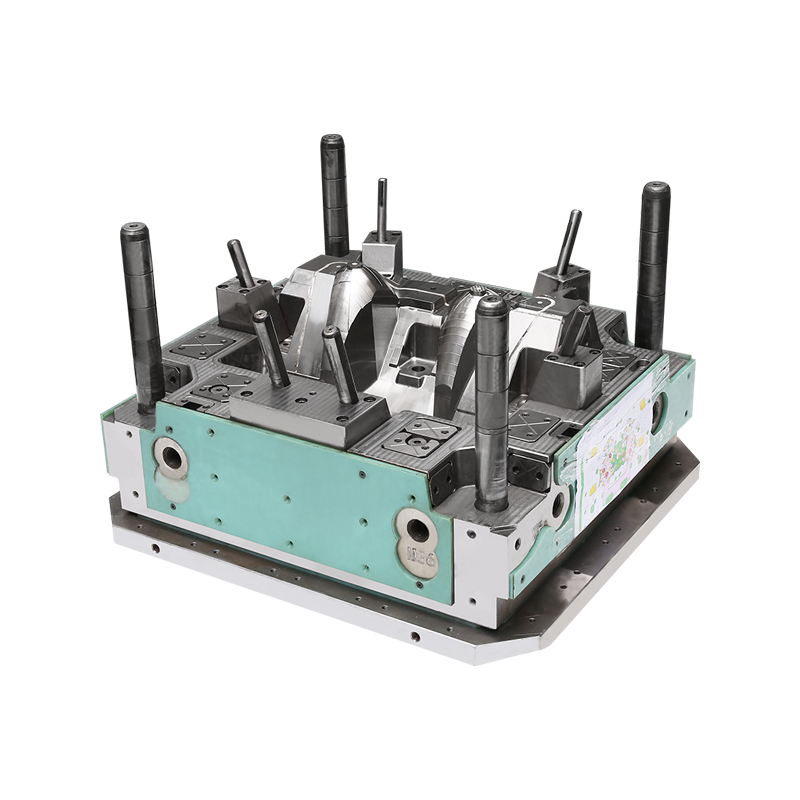
In automotive plastic injection moulding, plastic pellets melt inside a machine barrel. The liquid material injects under pressure into a mould cavity. Cooling channels set the shape quickly before the part ejects. The cycle repeats to build up inventory for assembly schedules.
- Material melts at controlled temperatures
- Injection fills the mould completely
- Cooling sets dimensions accurately
Moulds often contain multiple cavities to increase output per cycle. This setup helps meet daily targets in component factories.
Materials Commonly Used
Suppliers select plastics such as polypropylene for bumpers and ABS for interior parts. Each resin offers different strength and flexibility characteristics. The moulding process adjusts parameters to suit the material flow and final part requirements.
Procurement focuses on resin grades that perform well under heat, impact, or repeated use. Consistent material supply from approved sources helps maintain part quality through long production runs.
Integration With Factory Lines
Automotive plastic injection moulding machines operate alongside robotic systems that remove finished parts. Conveyors move components to inspection stations or directly to sub-assembly areas. The process syncs with just-in-time delivery systems used by many vehicle makers.
Changeovers between different parts require careful planning. Mould swaps and machine settings adjustments affect overall efficiency. Buyers evaluate suppliers on their ability to handle these transitions with minimal downtime.
Volume and Capacity Factors
Large facilities run multiple moulding machines in parallel to support high-volume vehicle programs. Smaller suppliers may focus on specialized parts with lower quantities. Lead times for new tooling and production ramp-up influence sourcing choices for new models.
Teams review machine tonnage and clamp force when matching projects to supplier capabilities. This step ensures the equipment can handle the projected part sizes and wall thicknesses.
Applications Across Vehicle Areas
Moulding produces exterior parts that face road conditions and interior pieces that affect comfort. Under-hood components use heat-resistant grades while visible trim requires good surface finish. The same basic process applies across these different uses.
Suppliers often group similar parts into families that share tooling features. This approach reduces costs and simplifies inventory management for procurement departments.
Coordination in Supply Networks
Automotive plastic injection moulding forms a link between material providers and final vehicle builders. Reliable output helps avoid shortages on assembly lines. Many contracts include provisions for volume flexibility as production plans change.
Buyers work with suppliers on forecast sharing to align capacity. This communication keeps parts flowing through the supply chain without major gaps or excess stock.
Automotive plastic injection moulding continues to serve as a core method for component production. Its ability to create precise parts in volume supports the pace of vehicle manufacturing. Procurement teams rely on experienced suppliers to maintain this flow across different programs and regions.