English
 中文简体
中文简体 русский
 Español
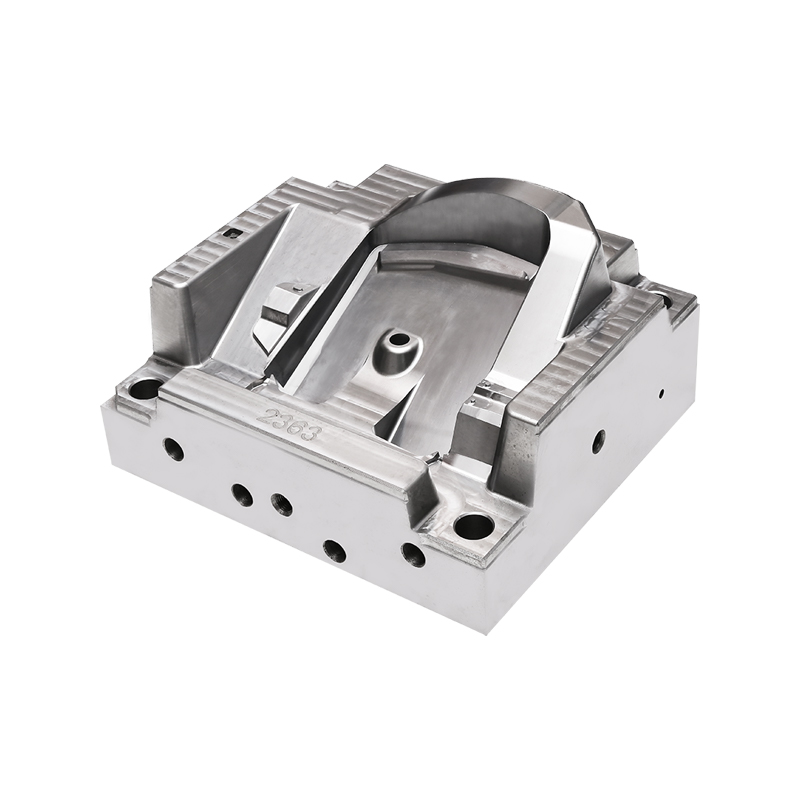
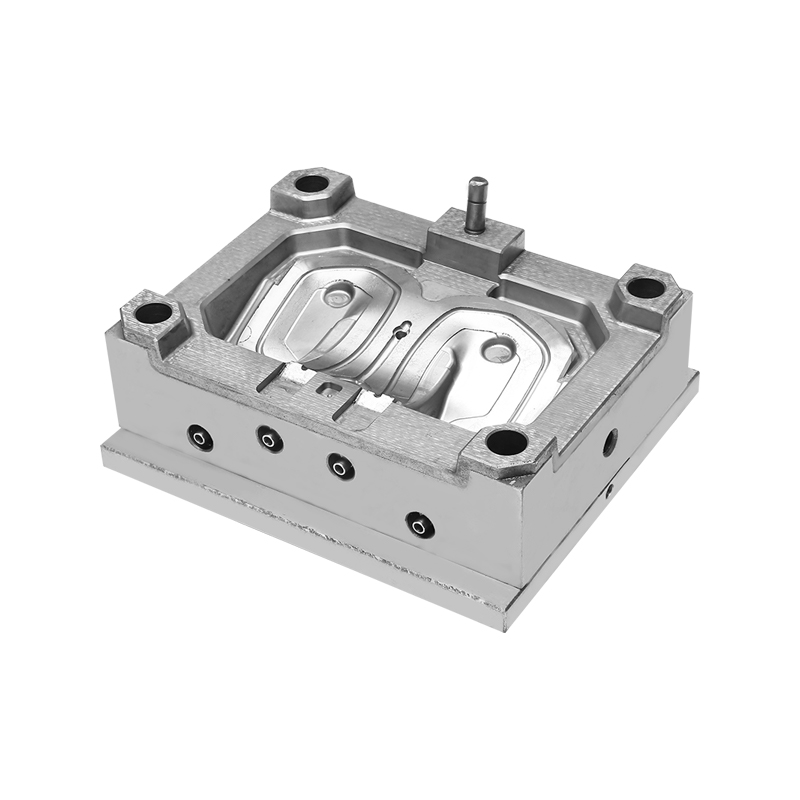
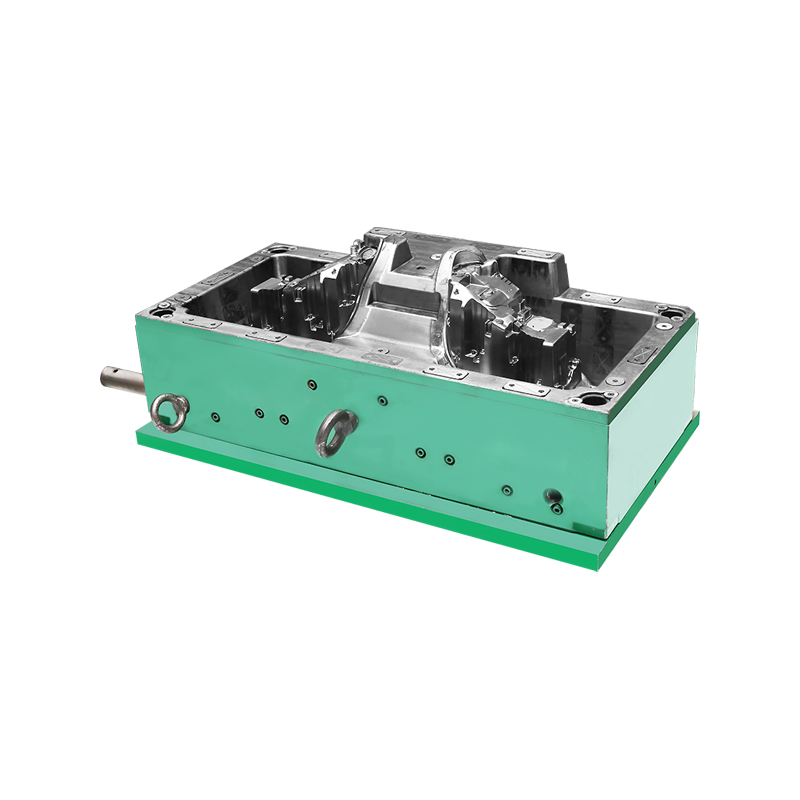
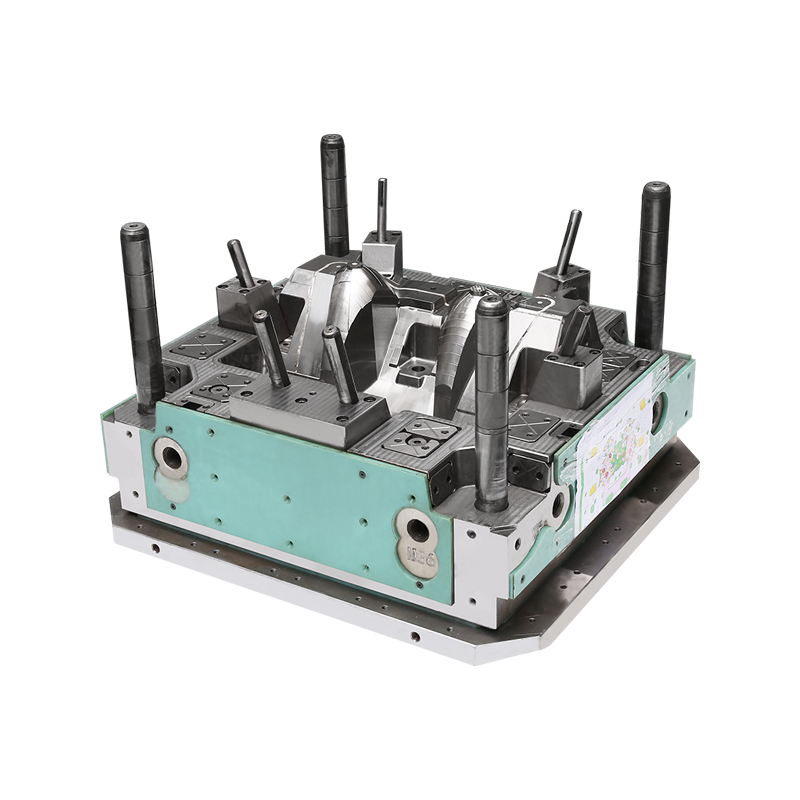
Automotive plastic moulds have become central to the production of various vehicle components, providing manufacturers with a reliable method to shape complex plastic parts efficiently. These moulds are designed to withstand repeated use, high pressure, and precise temperature control during the injection process. The production of automotive plastic moulds begins with careful design, often utilizing computer-aided design (CAD) software to model the exact dimensions and features required for each automotive part.
Once the design is finalized, the mould is constructed using durable metals like steel or aluminum, chosen for their strength, heat resistance, and ability to maintain tight tolerances over repeated cycles. Advanced milling machines, electrical discharge machines, and precision grinding tools shape the mould cavities, cores, and inserts. These processes demand high accuracy, as even minor deviations can efects in the produced components. After shaping, the mould undergoes heat treatment to enhance hardness and wear resistance, extending its lifespan under production conditions.
Injection moulding is the primary method for producing automotive plastic parts using these moulds. In this process, thermoplastic materials are heated to a molten state and injected into the mould cavities under controlled pressure. The plastic fills the cavity completely, taking the shape and surface features of the mould. Once cooled, the solidified part is ejected, revealing a finished component ready for further assembly or finishing operations. Factors such as injection speed, temperature, and pressure are carefully monitored to avoid common issues like warping, sink marks, or incomplete filling.
Automotive plastic moulds support the production of a wide variety of vehicle components, including dashboards, bumpers, interior trims, and engine covers. Each component requires a unique mould design that accommodates its specific shape, function, and attachment points. In many factories, modular moulds are utilized to allow for quick changes in part design without rebuilding the entire mould, reducing downtime and maintaining flexibility in production schedules. Manufacturers often produce multiple cavity moulds to increase output while preserving uniformity and precision across batches.
Quality control is an integral part of the automotive plastic mould process. Factories routinely inspect mould surfaces for smoothness, alignment, and correct dimensions before beginning production runs. During production, sample parts are taken to measure dimensional accuracy, surface finish, and mechanical performance. Any deviations prompt adjustments in mould alignment, injection parameters, or cooling cycles. These checks ensure that components fit correctly during vehicle assembly and perform reliably throughout their service life.
Advances in mould-making technology have allowed manufacturers to create increasingly complex automotive parts. Multi-material moulds, for example, enable the combination of rigid plastics with flexible or soft-touch elements, improving both functionality and aesthetics. Surface textures, logos, and patterns can be directly incorporated into the mould, eliminating the need for additional finishing steps and enhancing the visual appeal of the final part. Some automotive plastic moulds are also designed for rapid prototyping, allowing engineers to test and refine designs before full-scale production begins.
Automotive plastic moulds continue to evolve alongside advances in materials and production methods. Emerging plastics with enhanced durability, flexibility, or heat resistance allow manufacturers to expand the range of components produced. Simultaneously, innovations in mould construction, surface treatment, and cooling systems contribute to faster cycle times and improved part quality.