English
 中文简体
中文简体 русский
 Español
Automotive Plastic Mould Shapes Modern Vehicle Manufacturing
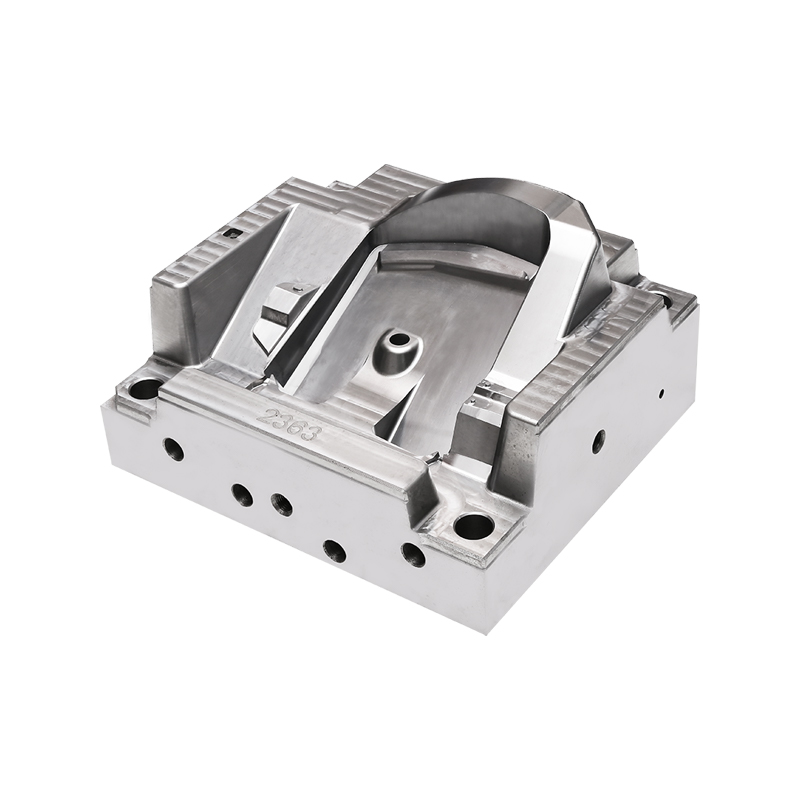
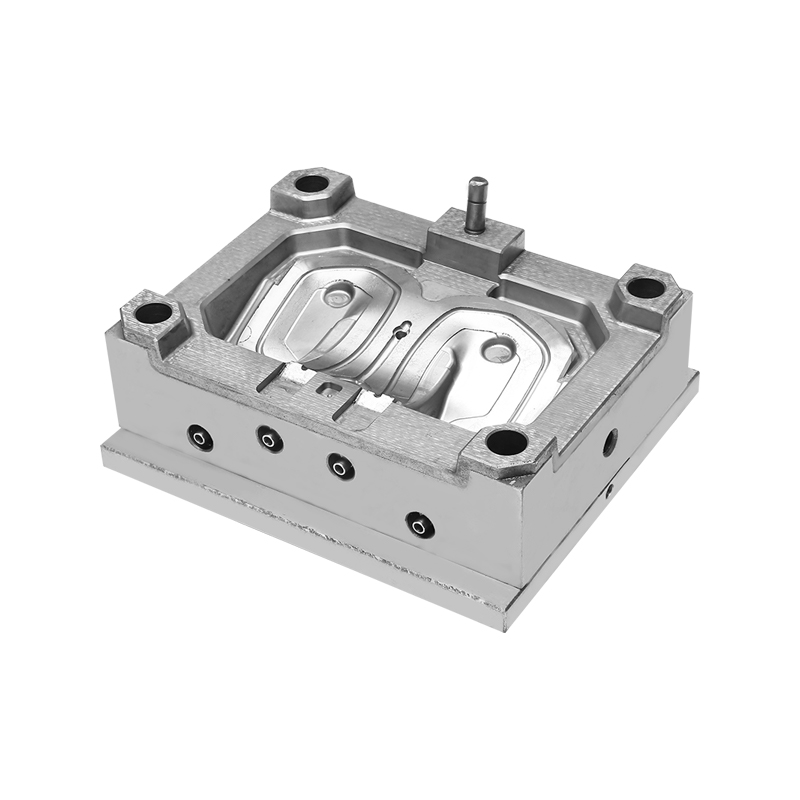
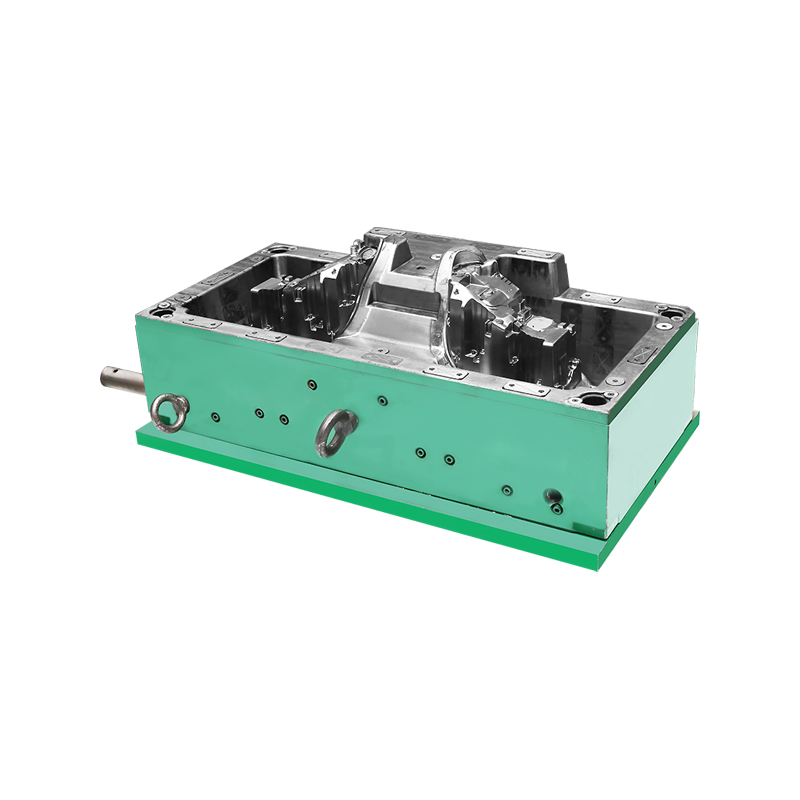
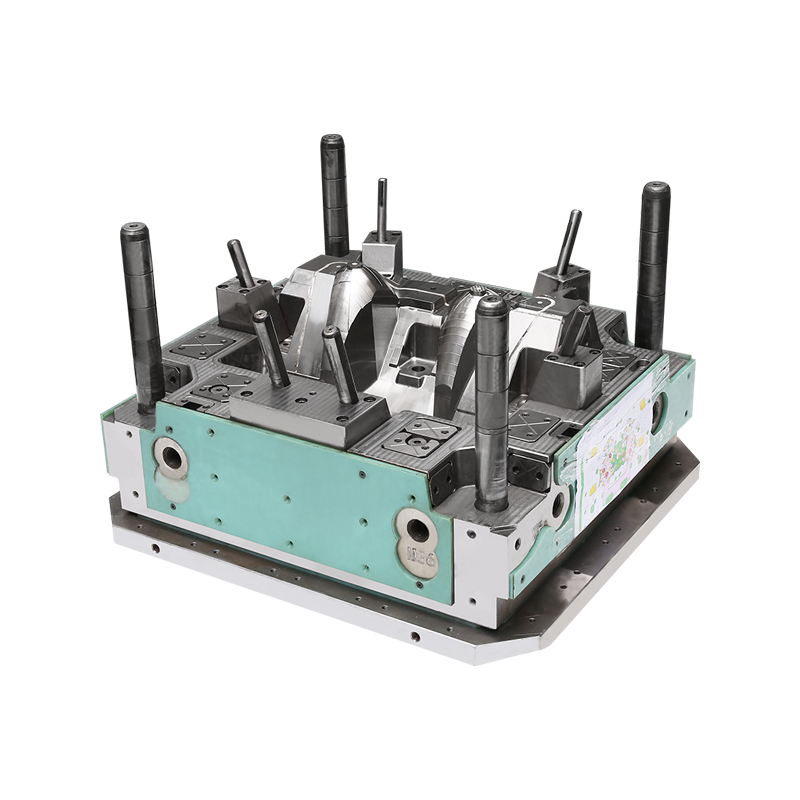
The Automotive Plastic Mould industry has become an essential part of vehicle manufacturing. Plastic components now appear across vehicle interiors, exteriors, and functional systems, supporting lighter structures and greater design flexibility. Behind these components, Automotive Plastic Mould development plays a critical role in ensuring consistent quality, dimensional accuracy, and production efficiency.
Over recent years, vehicle platforms have evolved rapidly. Manufacturers aim to balance performance, safety, comfort, and visual appeal while managing production costs and regulatory expectations. Automotive Plastic Mould solutions help support these objectives by enabling complex shapes, smooth surfaces, and integrated structures that may be difficult to achieve using traditional materials.
Automotive Plastic Mould technology supports large-scale manufacturing while maintaining stable output. Injection molding processes allow high repeatability, which is necessary when producing thousands of identical components. Door panels, dashboards, air vent housings, bumper components, and under-hood parts rely on carefully engineered molds to meet design and functional requirements. The ability to maintain tight tolerances across long production runs helps manufacturers reduce rework and streamline assembly processes.
Design Innovation and Functional Integration in Automotive Plastic Mould
Design innovation remains a driving force behind Automotive Plastic Mould development. Modern vehicle components often combine multiple functions into a single molded part. Structural support, attachment points, and aesthetic surfaces may coexist within one component. This integration reduces part count and simplifies assembly while supporting consistent quality.
Automotive Plastic Mould design must account for material flow behavior, cooling efficiency, and surface finish requirements. Interior components require visually appealing textures and consistent color distribution. Exterior components must maintain dimensional stability under temperature variation and environmental exposure. Mold designers work closely with material specialists to ensure compatibility between resin properties and tooling design.
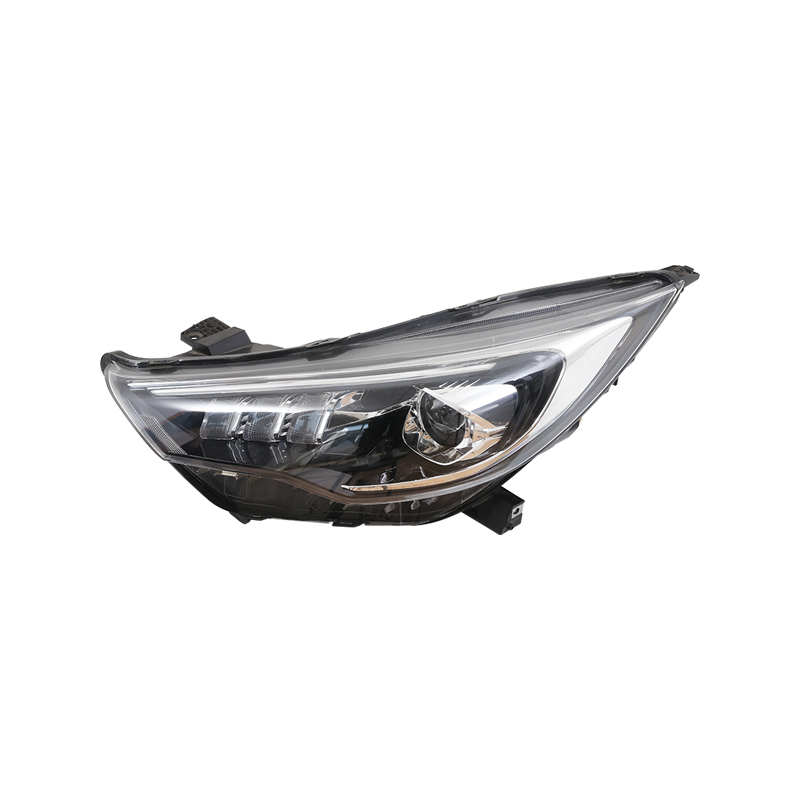
Functional integration also extends to safety-related components. Plastic housings for sensors, control modules, and lighting systems rely on precise mold design to maintain alignment and protect internal elements. Automotive Plastic Mould accuracy supports reliable sensor positioning, which is increasingly important as vehicles incorporate more electronic systems and driver-assistance technologies.
Production Efficiency and Quality Control in Automotive Plastic Mould
Production efficiency represents a central focus in Automotive Plastic Mould manufacturing. Automotive production lines operate under strict timing requirements, and mold performance directly influences cycle stability. Cooling channel layout, gate placement, and ejection design all affect cycle time and part consistency.
Well-designed Automotive Plastic Mould systems support stable molding cycles and predictable output. This stability helps manufacturers manage inventory, reduce downtime, and maintain production schedules. Mold durability also contributes to efficiency, as frequent maintenance interruptions can disrupt workflow and increase operating costs.
Quality control processes remain closely linked to mold performance. Automotive components must meet dimensional and visual standards to ensure proper fit during assembly. Mold precision supports consistent wall thickness and surface quality, reducing variation across batches. Inspection systems often verify part dimensions and appearance to confirm conformity to specifications.
Market Trends and Future Directions for Automotive Plastic Mould
Market trends continue to influence Automotive Plastic Mould development strategies. Vehicle manufacturers increasingly emphasize lightweight construction to improve efficiency and handling. Plastic components contribute to weight reduction while supporting complex shapes and integrated features. This trend encourages ongoing refinement in mold design and material selection.
Customization also plays a growing role in automotive design. Consumers expect varied interior finishes, color options, and trim configurations. Automotive Plastic Mould solutions support this variety by allowing interchangeable mold inserts or surface textures. These features enable manufacturers to offer multiple design options without extensive tooling changes.
Digitalization continues to influence mold development and management. Data collection during production provides insights into cycle performance, temperature consistency, and wear patterns. Automotive Plastic Mould monitoring systems support informed maintenance planning and gradual process improvement. These data-driven approaches help manufacturers maintain stable output across extended production periods.