English
 中文简体
中文简体 русский
 Español
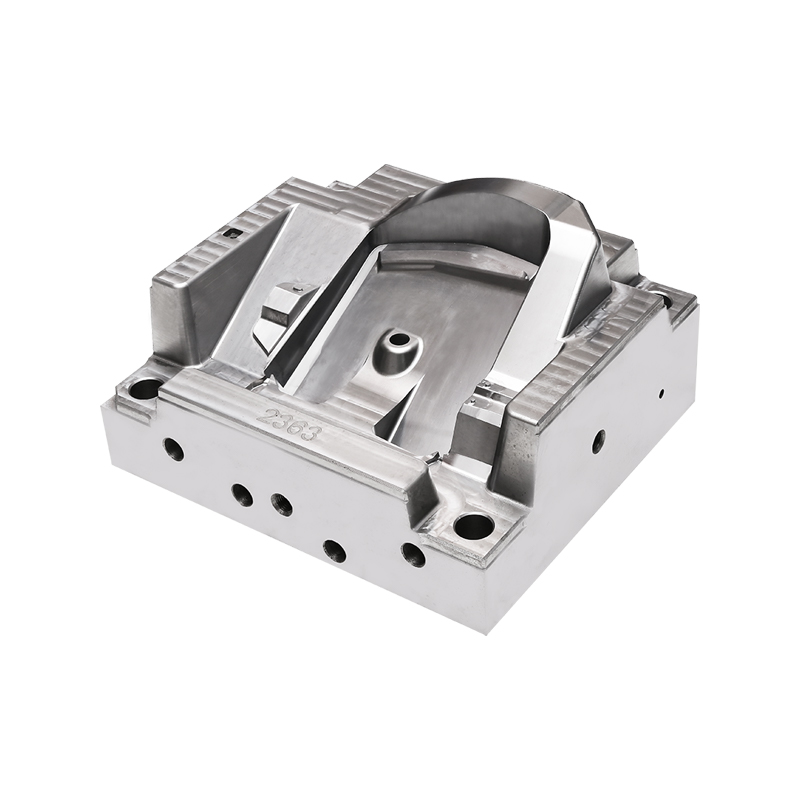
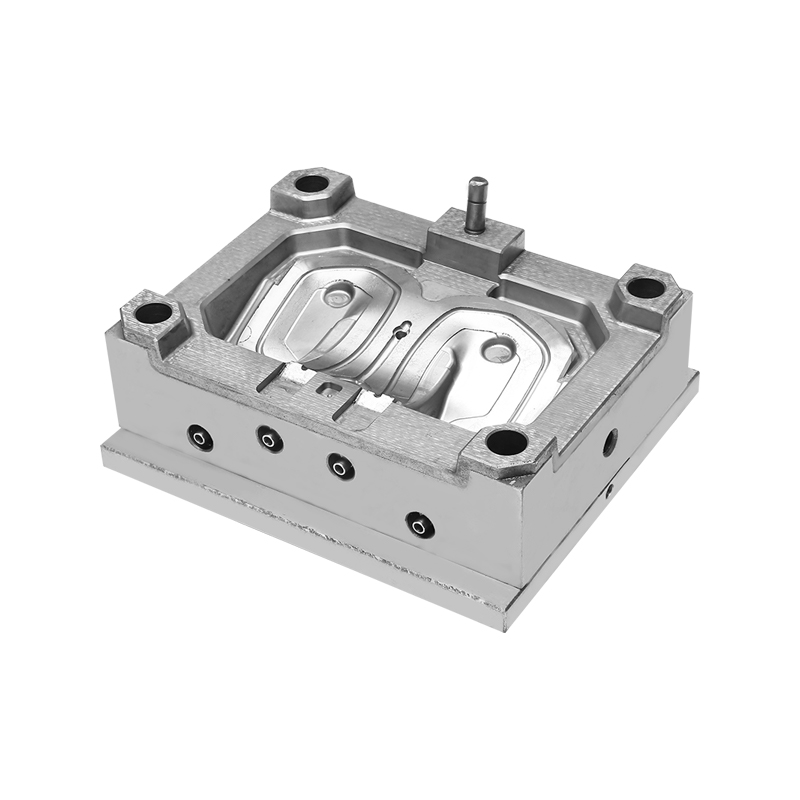
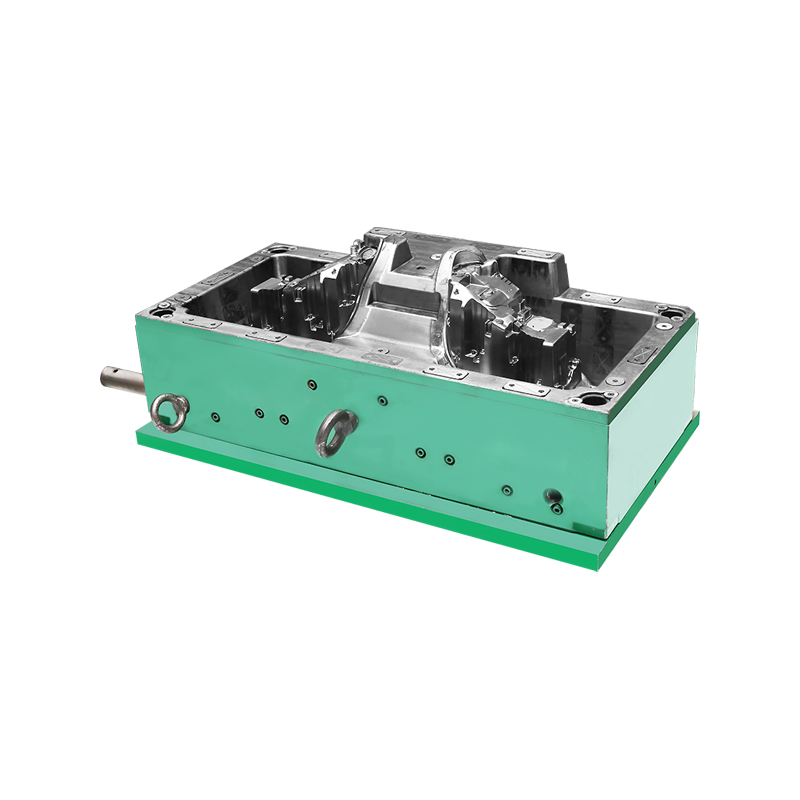
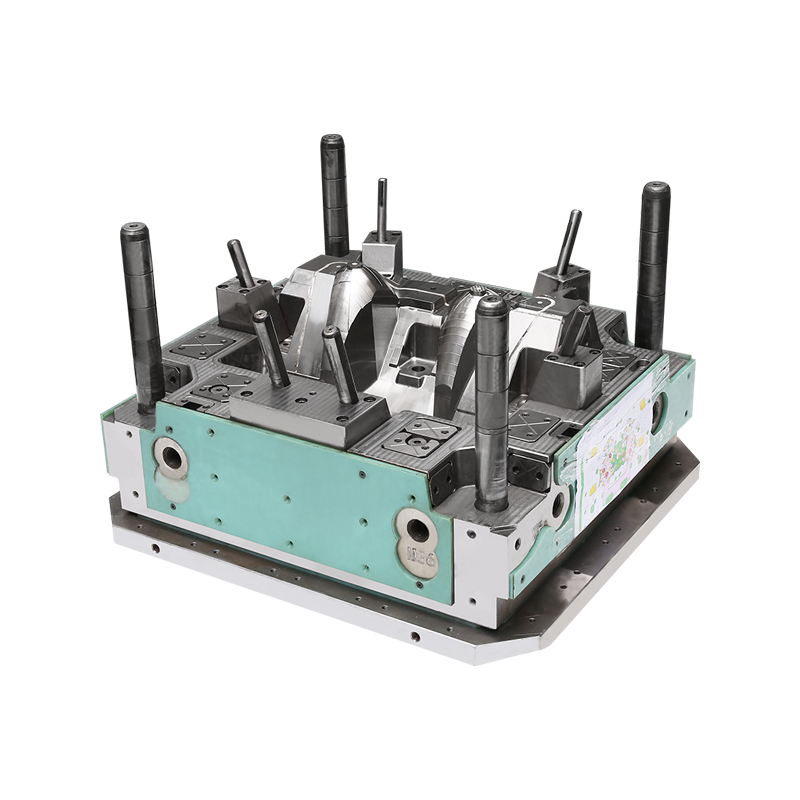
Somewhere behind every dashboard panel, bumper cover, and interior trim piece sits a mould that shaped it thousands of times over. An automotive plastic mould doesn't just form a part once — it needs to reproduce that same part, with the same dimensions and finish, across production runs that can stretch into hundreds of thousands of cycles. That repeatability requirement shapes nearly every decision that goes into building one.
Why Tolerances Matter In Vehicle Parts
Automotive components fit together in tight assemblies, where even small dimensional shifts create visible gaps, rattling noises, or parts that simply won't snap together correctly. An automotive plastic mould producing a door panel clip, for instance, needs cavity dimensions accurate enough that thousands of identical clips all seat into their mounting points without forcing or gaps.
This precision requirement pushes mould builders toward hardened steel cavities machined with tight tolerances, often verified using coordinate measuring equipment before a mould ever gets approved for production. Surface finish matters too, particularly on visible interior or exterior components, where texture consistency affects how a part looks once installed rather than just how it functions mechanically.
Common Parts Produced From These Moulds
Automotive plastic mould applications cover a wide range of vehicle components, spanning both structural and cosmetic parts. Typical categories include:
- Interior trim pieces, such as dashboard panels, door handles, and console covers
- Exterior components, including bumper covers, grille surrounds, and mirror housings
- Under-hood parts, like air intake ducts, fluid reservoirs, and electrical connector housings
Each category brings different requirements. Interior trim often prioritizes surface finish and color matching, since these parts remain visible to vehicle occupants daily. Under-hood components, by contrast, tend to prioritize heat resistance and chemical compatibility over appearance, since they operate in environments exposed to engine heat and fluid contact.
Materials Shaping Mould Construction
Building an automotive plastic mould typically starts with selecting a base steel grade suited to expected production volume. Higher-volume programs often justify hardened tool steel cavities capable of withstanding extended cycle counts without losing dimensional accuracy, while lower-volume or prototype runs sometimes use softer steel grades that machine faster but wear sooner.
Cooling system design inside the mould also plays a significant role in part quality. Uneven cooling across a cavity can cause warping, sink marks, or inconsistent shrinkage, particularly on larger parts like bumper covers where surface flatness matters for final vehicle fit. Mould builders route cooling channels around cavity geometry carefully, balancing cycle time against uniform temperature distribution.
Multi-cavity and family mould configurations also show up often in automotive work, letting one automotive plastic mould produce several parts, or several variants of the same part, within a single injection cycle. This approach helps manufacturers manage production efficiency across parts sharing similar material and cycle time characteristics.
Working With OEM And ODM Programs
Automotive suppliers commonly build moulds under OEM or ODM arrangements, where a mould builder works from an automaker's part specifications and produces components matching exact engineering drawings. These programs typically involve detailed design reviews before tooling begins, since automotive parts often connect into larger assemblies where a design change on one component affects several others.
Sample part approval remains a standard step in this process. A newly built automotive plastic mould typically runs a trial batch, and those sample parts get measured against engineering tolerances before full production approval. This step catches dimensional drift or cooling-related defects while adjustments to the mould are still relatively manageable, rather than after thousands of parts have already been produced.