English
 中文简体
中文简体 русский
 Español
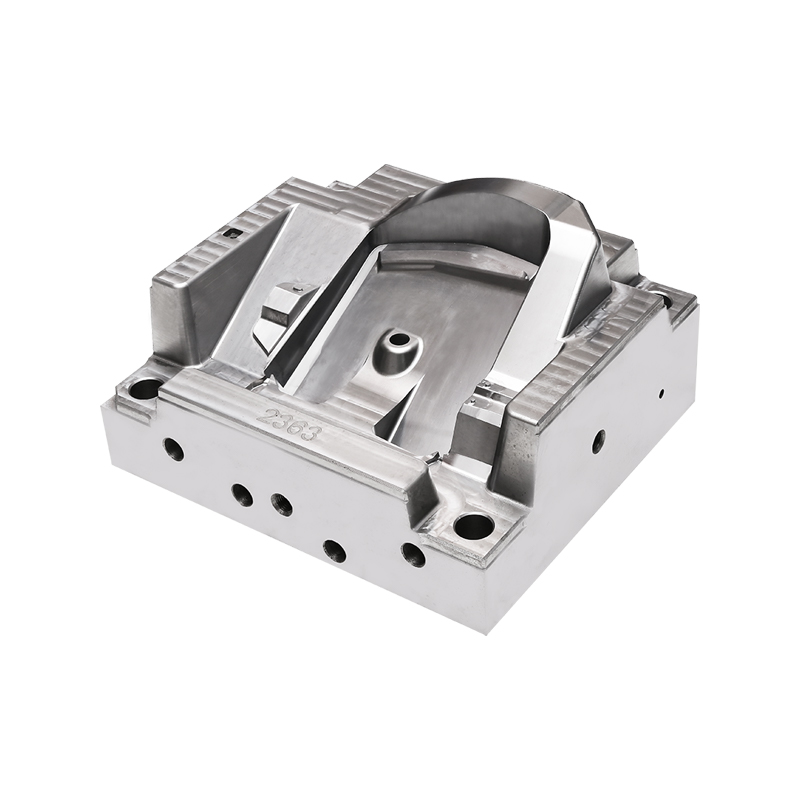
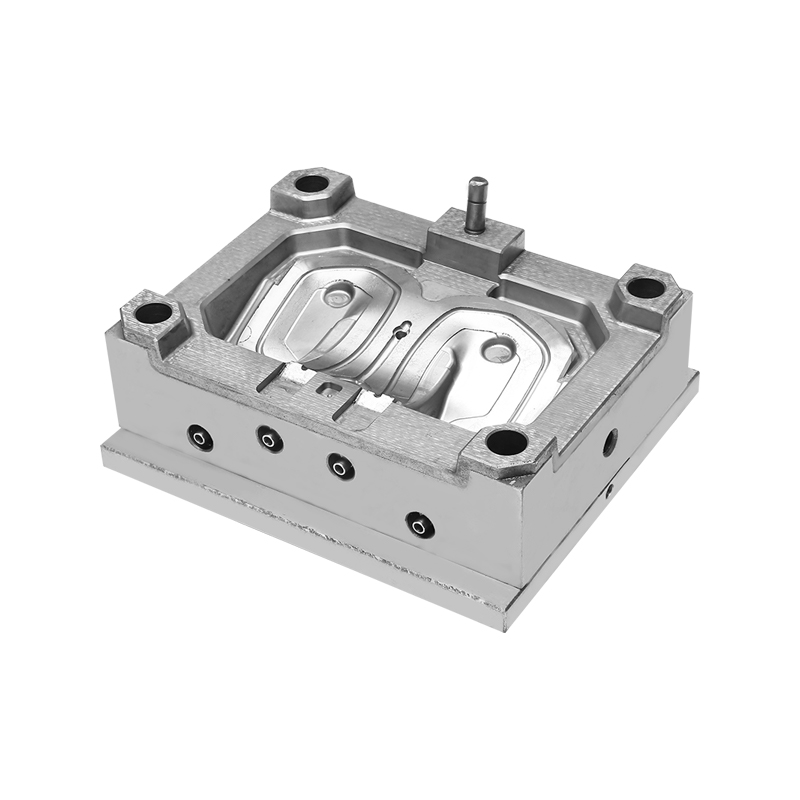
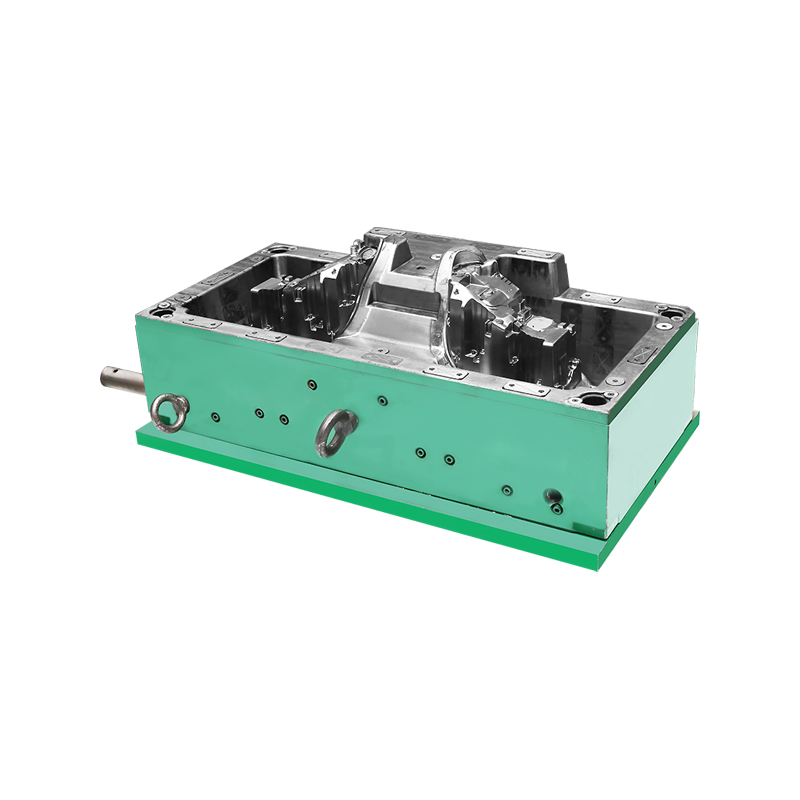
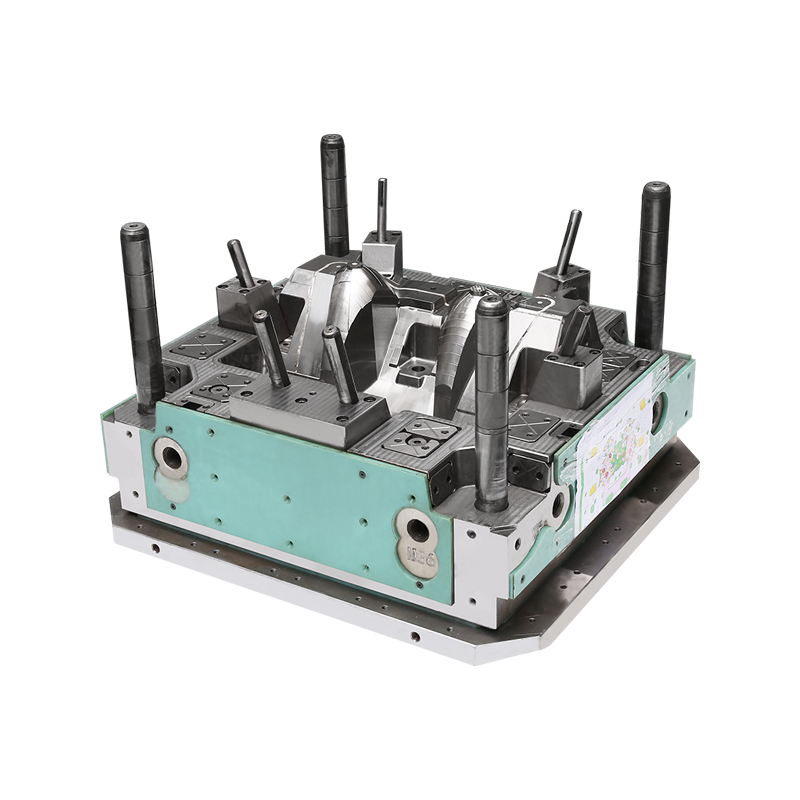
Bulk Molding Compound, commonly known as BMC, is a thermosetting material used for producing molded components with detailed shapes and stable dimensions. Behind many BMC products is a carefully engineered BMC Mold, a tooling system designed to control material placement, compression, heating, and part formation.
What Makes BMC Molding Different?
BMC is typically prepared from a mixture containing resin, reinforcement fibers, mineral fillers, pigments, and other functional ingredients. The material starts as a moldable compound and changes into a solid molded part under controlled heat and pressure.
A BMC Mold needs to accommodate this material behavior. The cavity must reproduce the required product geometry, while the mold structure needs to support controlled filling and curing.
Unlike thermoplastic injection molding, BMC molding involves a curing reaction inside the mold. This means mold temperature and processing time are closely connected to the final shape of the component.
How Is a BMC Mold Designed?
Mold design usually begins with a digital model of the intended product. Engineers examine wall thickness, corners, ribs, holes, inserts, parting lines, and ejection positions before the physical tooling is manufactured.
Cavity layout is an important consideration. For a single-cavity tool, the design can focus on one component. Multi-cavity molds require additional attention to material distribution and cavity balance.
The position of gates and runners also matters. BMC material needs to travel through the mold cavity in a controlled pattern. Poor material distribution can result in incomplete filling, trapped air, or variations between molded parts.
Why Are Venting Channels Important?
Air needs a path to escape when BMC material enters the cavity. If air becomes trapped, it can create surface marks or incomplete areas on the molded component.
For this reason, venting structures are incorporated into many BMC mold designs. Their location depends on the product geometry and expected material flow.
Thin sections, deep ribs, corners, and enclosed areas may require particular attention. Engineers can study the cavity shape and material flow before machining the final mold components.
How Does Mold Heating Work?
Temperature control is closely related to BMC curing. Heating elements can be integrated into the mold plates to provide the thermal conditions required during molding.
The heating layout needs to cover the mold in a controlled manner. Uneven temperatures can influence curing behavior in different areas of the cavity.
For this reason, mold designers consider heater locations, plate thickness, cavity arrangement, and thermal paths during the engineering stage. The objective is to create a consistent molding environment across the working area.
What Materials Are Used for BMC Molds?
Mold steel is commonly used for BMC tooling because the mold is exposed to repeated pressure, heat, and mechanical movement during production.
Different steel grades may be selected for mold bases, cavity inserts, cores, and other components. The choice depends on cavity complexity, expected production conditions, surface requirements, and machining considerations.
Some BMC molds also use replaceable inserts. An insert can contain a specific product feature or cavity section, allowing that area to be manufactured separately from the main mold structure.
Can BMC Molds Create Detailed Shapes?
Yes, BMC molding can produce components containing ribs, bosses, holes, curved surfaces, and other molded details. The mold design determines how these features are formed.
For example, an electrical housing may contain mounting points, ventilation structures, screw holes, and internal ribs. These details can be incorporated into the cavity and core design.
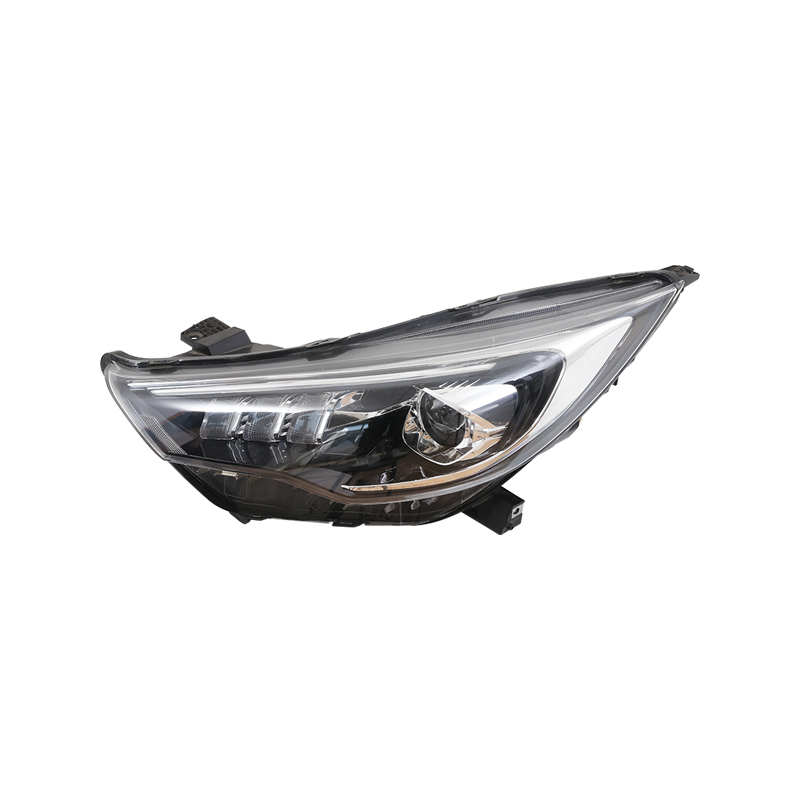
Automotive components may also contain curved surfaces and integrated mounting structures. The BMC mold must reproduce these features while allowing the finished part to be removed without damage.
Draft angles are therefore considered during product and mold design. Small changes in geometry can make ejection easier and reduce interference between the molded component and cavity surfaces.