English
 中文简体
中文简体 русский
 Español
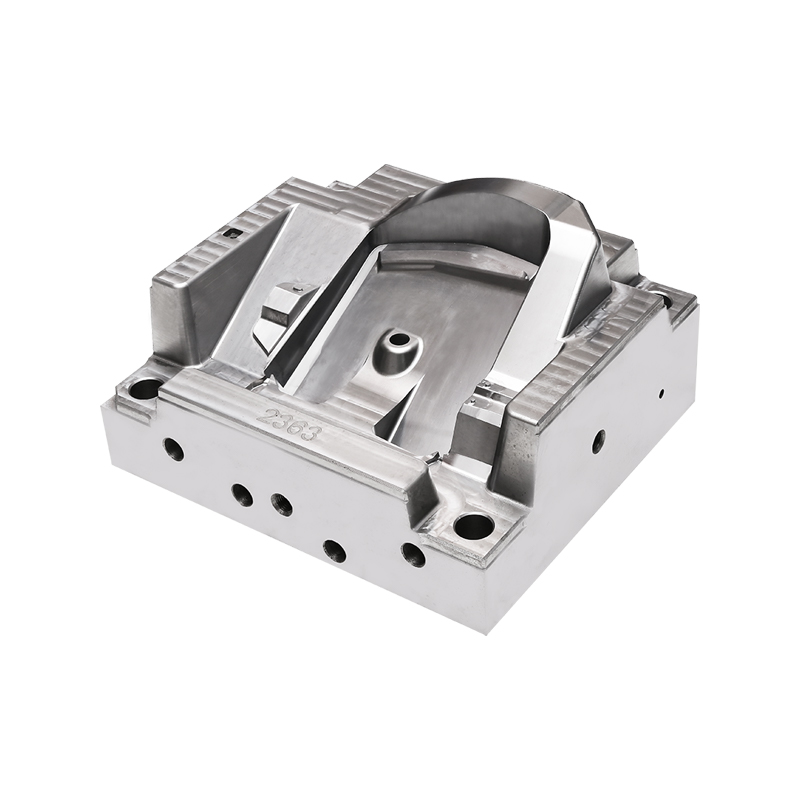
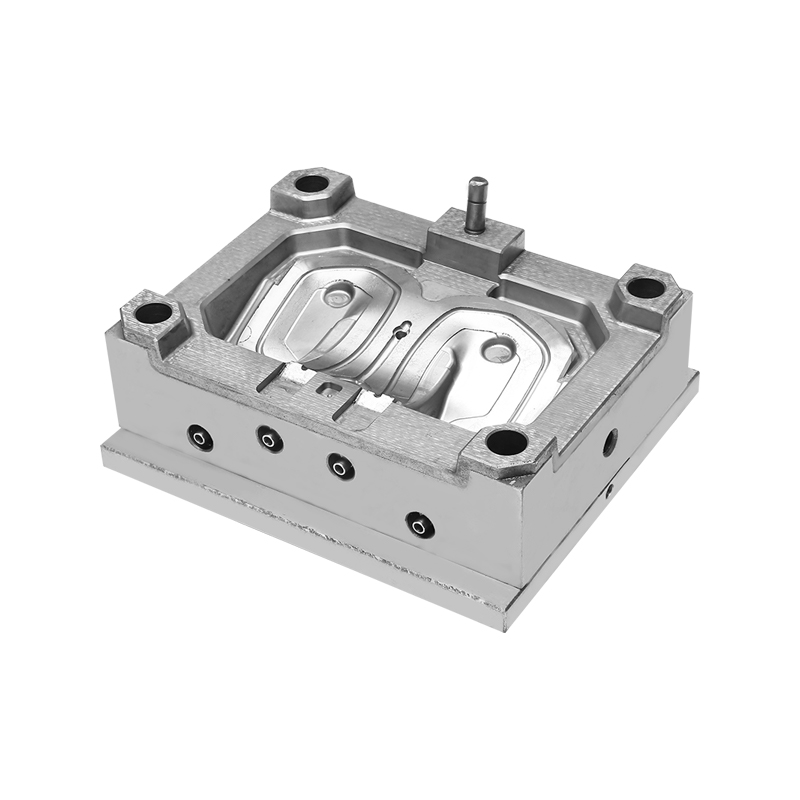
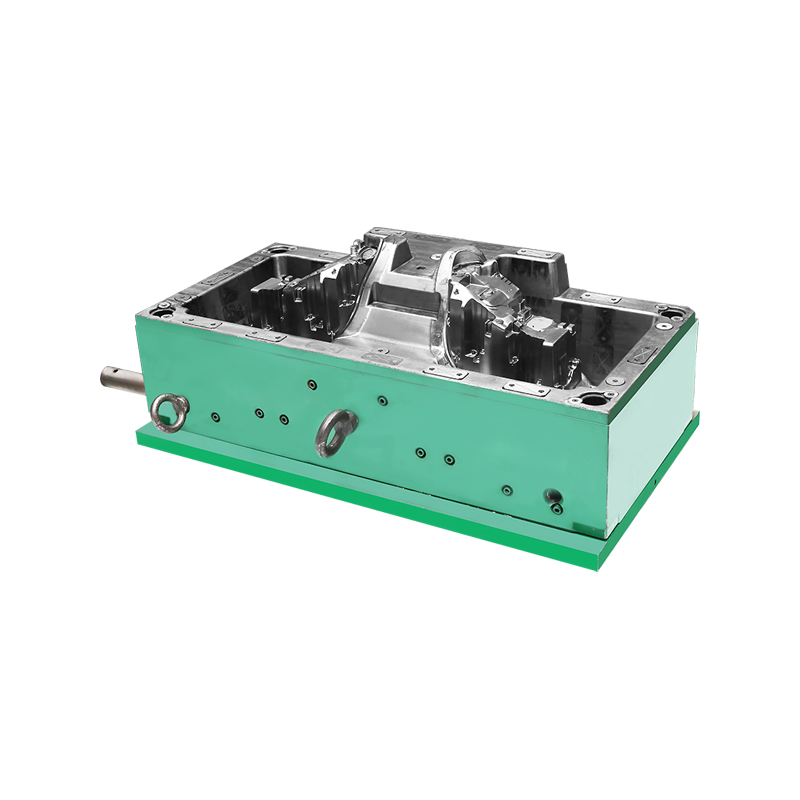
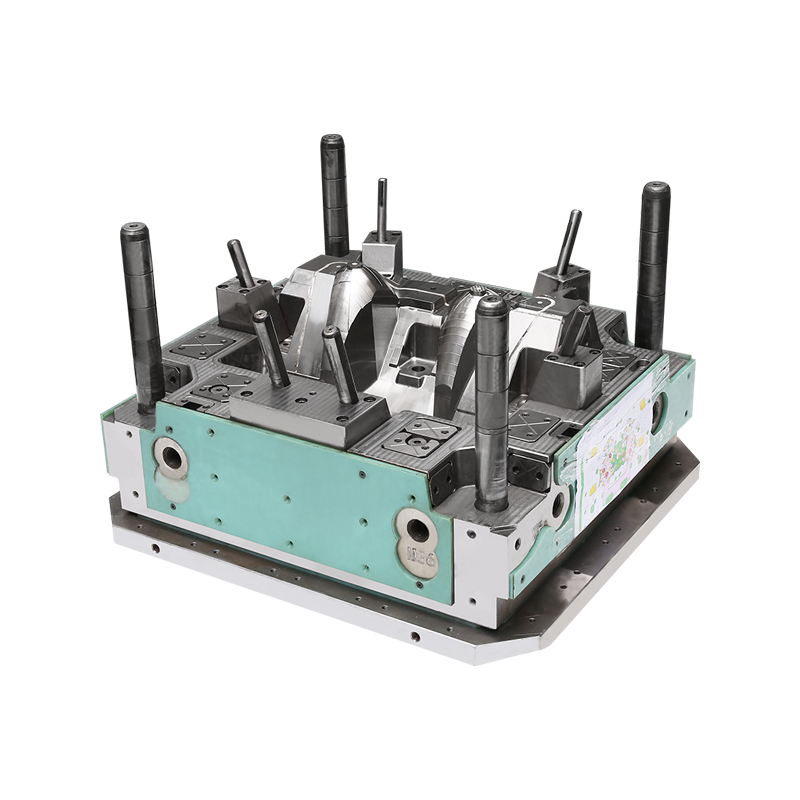
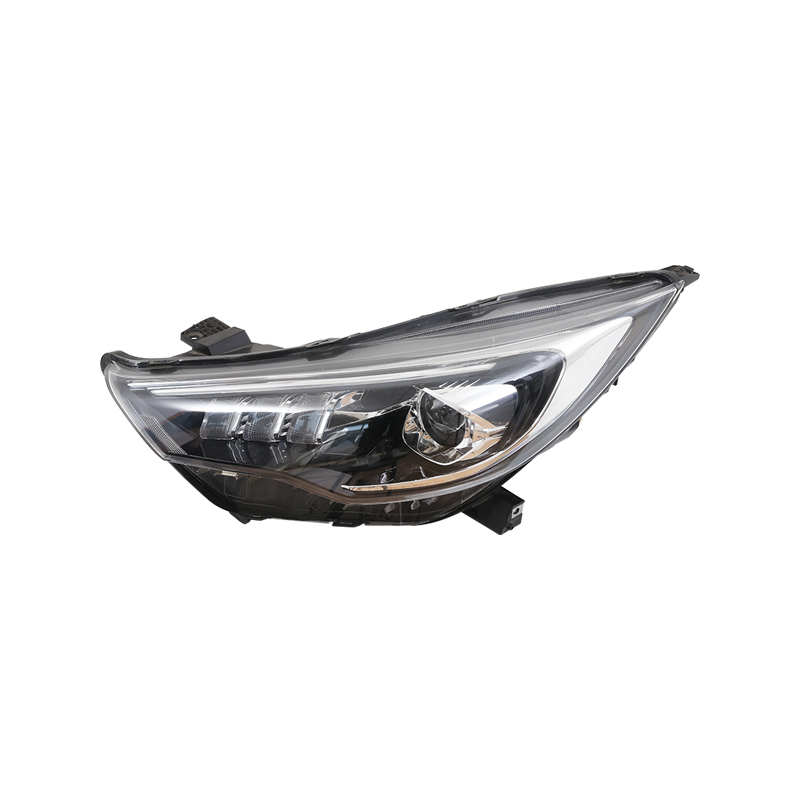
Auto lamp moulds have become an essential component in modern vehicle manufacturing, providing the precise forms required for automotive lighting systems. These moulds play a critical role in shaping headlamps, tail lamps, and indicator lights, ensuring both functional efficiency and aesthetic appeal. The design and fabrication of auto lamp moulds demand meticulous attention to detail, combining engineering expertise, material science, and innovative manufacturing techniques to produce components that meet strict performance and safety standards.
The choice of materials for auto lamp moulds significantly influences the quality and longevity of automotive lights. High-grade metals and alloys are commonly used to withstand repeated production cycles and maintain dimensional accuracy. Surface finishing processes enhance the precision of mould cavities, allowing for consistent replication of complex lamp designs. Auto lamp moulds must accommodate advanced lighting technologies, including LED and adaptive systems, which require intricate geometries and tight tolerances. The intersection of design sophistication and material reliability ensures that automotive lighting performs optimally in diverse operating conditions.
Manufacturers rely on advanced CNC machining, polishing, and quality control processes to produce auto lamp moulds that meet stringent standards. Precision machining ensures that each mould produces components with uniform thickness, smooth surfaces, and exact alignment, which are crucial for the proper functioning of lenses, reflectors, and covers. Continuous monitoring and testing throughout the production process minimize defects and improve overall efficiency. The combination of technical skill, specialized equipment, and quality assurance practices underscores the importance of mould engineering in the automotive sector.
The use of auto lamp moulds extends beyond functionality to influence vehicle aesthetics. Modern vehicles feature lighting systems that are not only practical but also visually striking, integrating seamlessly into the body design. Mould design allows manufacturers to create lamps with distinctive shapes, contours, and reflective properties, enhancing brand identity and consumer appeal. Complex curves, transparent panels, and multi-layered structures are possible due to the precision and flexibility of advanced moulding techniques, demonstrating the artistic dimension of industrial engineering.
Technological advancements have further expanded the capabilities of auto lamp moulds. Multi-cavity designs, modular components, and interchangeable inserts allow for faster production of diverse lamp models while maintaining high quality. These innovations support flexible manufacturing, enabling carmakers to adapt to evolving design trends and regulatory requirements. The development of simulation software and 3D modeling has also improved mould design, allowing engineers to anticipate material behavior and optimize production efficiency before physical fabrication.
Safety remains a paramount consideration in the design and use of auto lamp moulds. Accurate moulding ensures proper light distribution, brightness, and coverage, which are essential for driver visibility and road safety. Defects or deviations in lamp components can compromise performance, highlighting the critical role of precise mould design. Manufacturers adhere to rigorous testing and inspection protocols to guarantee that each lamp produced meets both functional and regulatory standards, reinforcing the importance of mould quality in automotive safety.
Auto lamp moulds represent a convergence of engineering skill, design creativity, and industrial efficiency. They enable automotive manufacturers to produce lighting components that meet performance, aesthetic, and safety expectations. Their role in the production process demonstrates the combination of technical expertise and artistic vision necessary to meet the complex demands of contemporary automotive lighting systems.