English
 中文简体
中文简体 русский
 Español
Automotive Plastic Injection Moulding and the Evolution of Vehicle Manufacturing
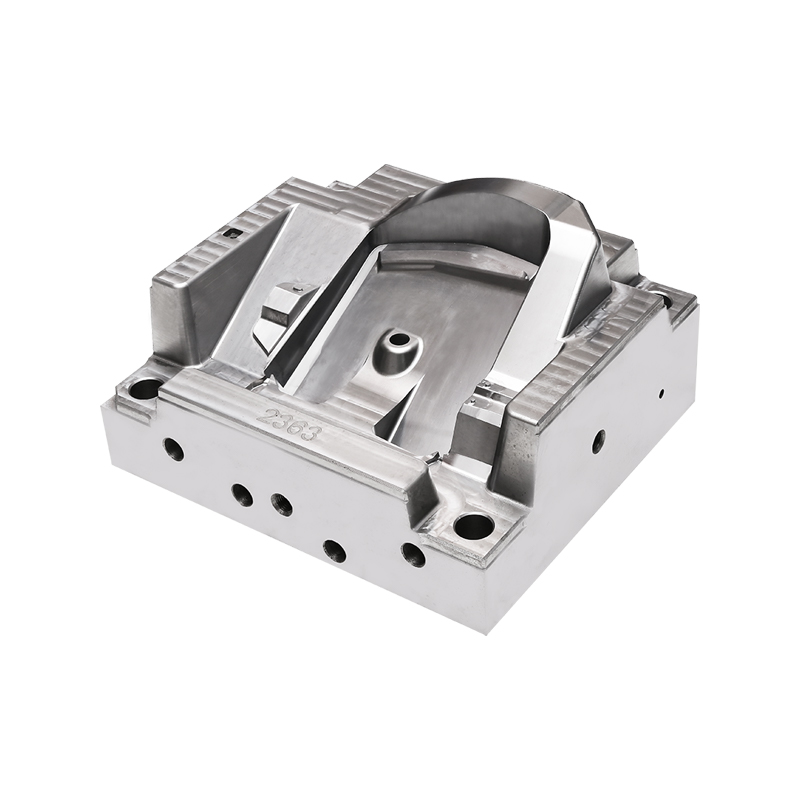
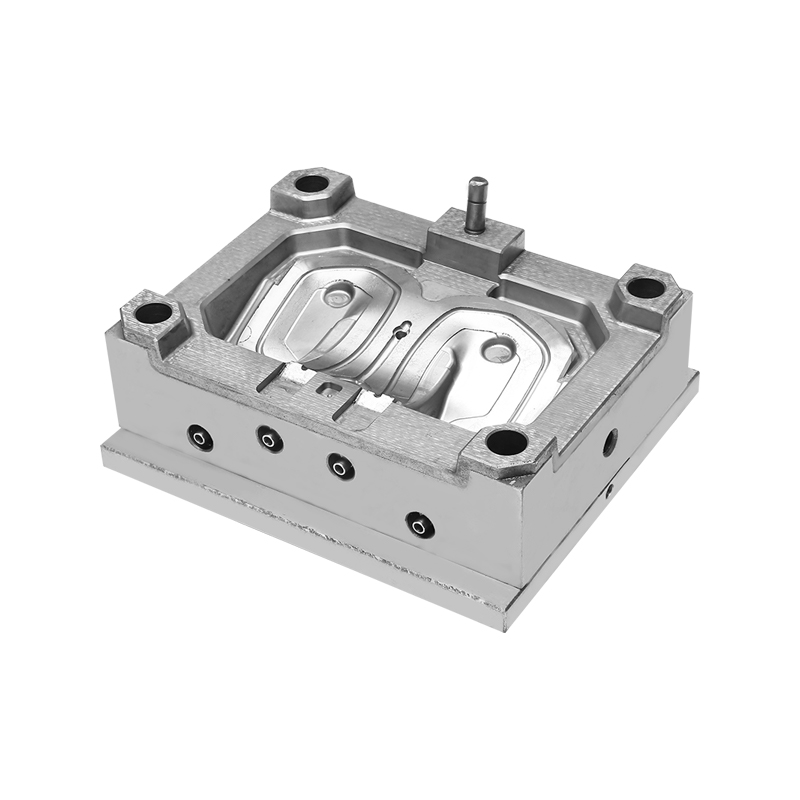
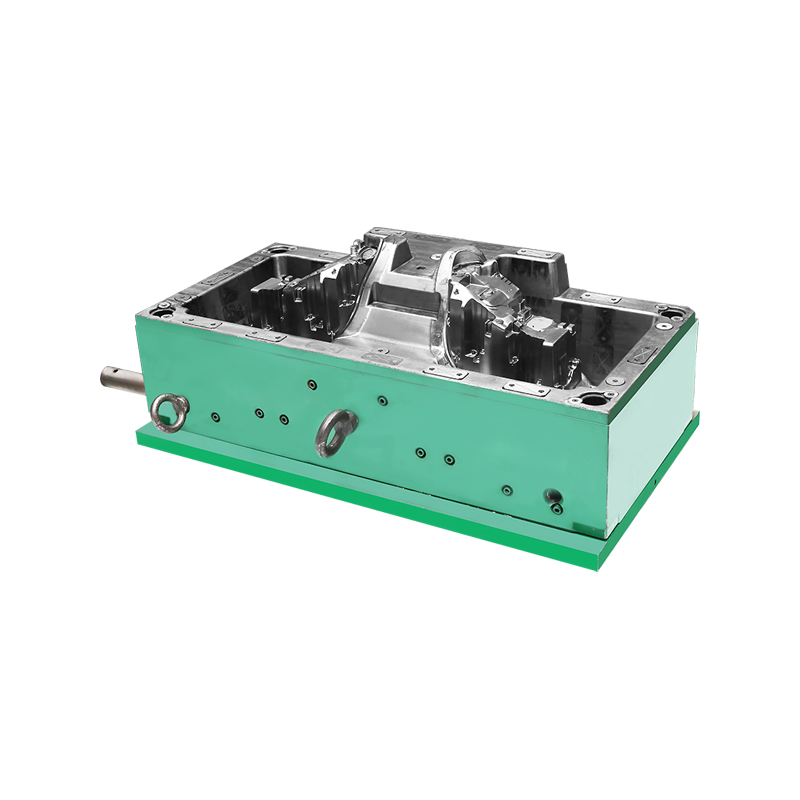
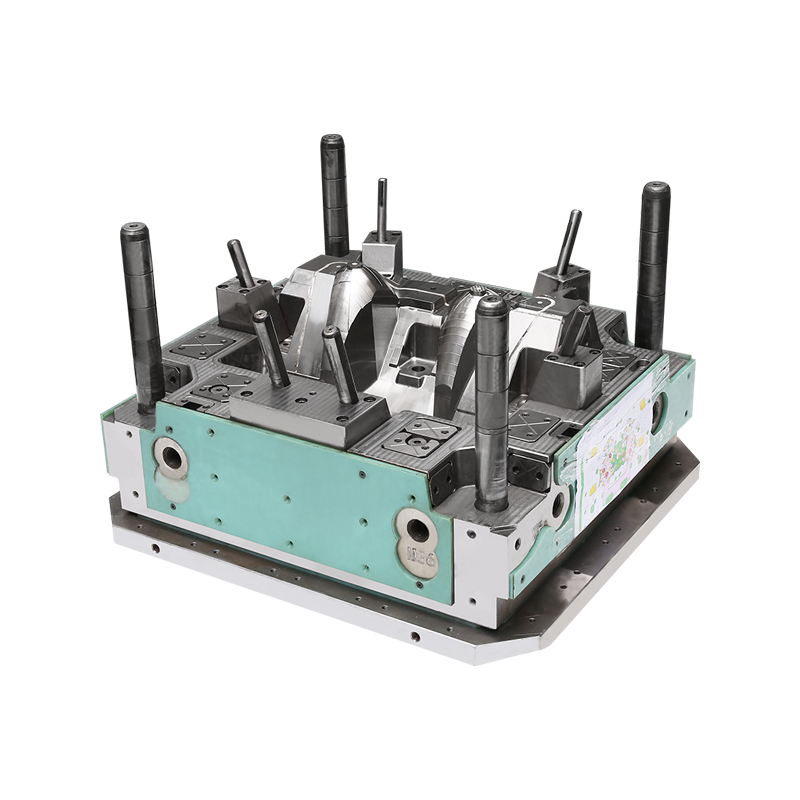
Automotive Plastic Injection Moulding has become a fundamental manufacturing process within the global automotive industry. Injection moulding enables manufacturers to produce complex shapes, consistent dimensions, and repeatable quality at production volumes required by modern vehicle platforms.
The demand for plastic components reflects broader changes in vehicle development strategies. Automakers aim to reduce vehicle weight, improve fuel efficiency, and support new design concepts. Automotive Plastic Injection Moulding supports these objectives by enabling lightweight parts that maintain structural integrity and visual consistency.
Production scalability represents a key advantage of Automotive Plastic Injection Moulding. Once moulds are validated, the process supports stable output across extended production runs. This stability aligns well with automotive manufacturing schedules, which rely on predictable supply and consistent part quality. Injection moulding also allows manufacturers to respond to model updates or design revisions by adjusting tooling elements rather than redesigning entire production systems.
Material Selection and Design Considerations in Automotive Plastic Injection Moulding
Material selection plays a central role in Automotive Plastic Injection Moulding performance. Automotive components face varied operating conditions, including temperature fluctuations, vibration, and exposure to chemicals. Engineers select plastic materials based on mechanical strength, thermal behavior, and durability requirements specific to each application.
Injection moulding design must account for material flow characteristics and cooling behavior. Gate placement, wall thickness distribution, and part geometry influence how molten plastic fills the mould cavity. Proper design supports uniform filling and reduces the likelihood of defects such as warping or sink marks. Automotive Plastic Injection Moulding projects benefit from close coordination between product designers, material specialists, and tooling engineers.
Interior components often prioritize surface appearance and tactile quality. Dashboard panels, door trims, and console elements require smooth finishes and consistent textures. Injection moulding allows surface patterns and textures to be integrated directly into mould cavities, reducing the need for secondary finishing processes. This integration supports consistent appearance across large production volumes.
Production Efficiency and Quality Control in Automotive Plastic Injection Moulding
Production efficiency remains a major focus in Automotive Plastic Injection Moulding operations. Automotive assembly lines depend on consistent part supply, and moulding processes must align with strict timing requirements. Cycle time, mould cooling efficiency, and part ejection reliability all influence production stability.
Well-designed moulds support predictable cycle times and reduce process variation. Cooling channel layout plays an important role in maintaining uniform temperature distribution across mould cavities. Consistent cooling helps reduce internal stress within parts and supports dimensional accuracy. Automotive Plastic Injection Moulding facilities often monitor process parameters closely to maintain stable output.
Quality control practices are integrated throughout injection moulding operations. Dimensional inspection, visual assessment, and material verification help ensure parts meet defined specifications. Injection moulding supports repeatable quality when process conditions remain controlled. This repeatability is essential in automotive manufacturing, where component fit and alignment influence downstream assembly efficiency.
Market Trends and Future Outlook for Automotive Plastic Injection Moulding
Market trends continue to shape Automotive Plastic Injection Moulding development. Lightweight vehicle design remains a priority across conventional and electric vehicle platforms. Plastic components support weight reduction while offering design flexibility that aligns with modern styling trends. Injection moulding enables integration of multiple features into single components, reducing overall part count.
Customization and model variation also influence moulding strategies. Automakers increasingly offer diverse trim levels and interior options. Automotive Plastic Injection Moulding supports this variation by enabling interchangeable mould inserts or surface treatments. These capabilities allow manufacturers to introduce design variations without extensive tooling changes.
Digitalization continues to influence injection moulding operations. Data collection during production provides insights into cycle performance, temperature stability, and equipment condition. Automotive Plastic Injection Moulding facilities use this data to support maintenance planning and gradual process improvement. Data-driven approaches help manufacturers maintain consistent output and reduce unexpected downtime.