English
 中文简体
中文简体 русский
 Español
Importance of Car Body Moulds in Automotive Industry
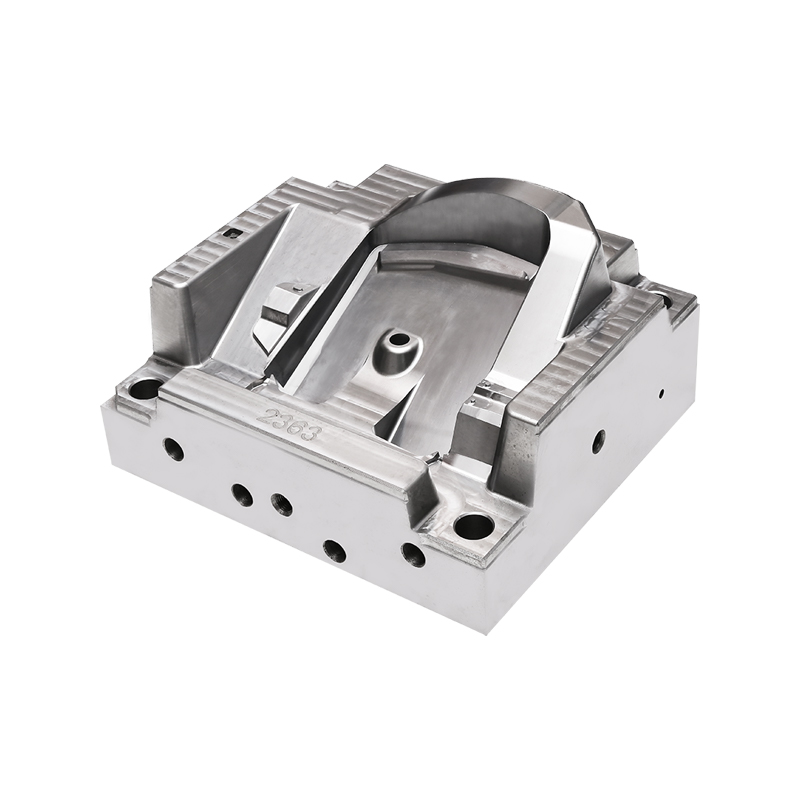
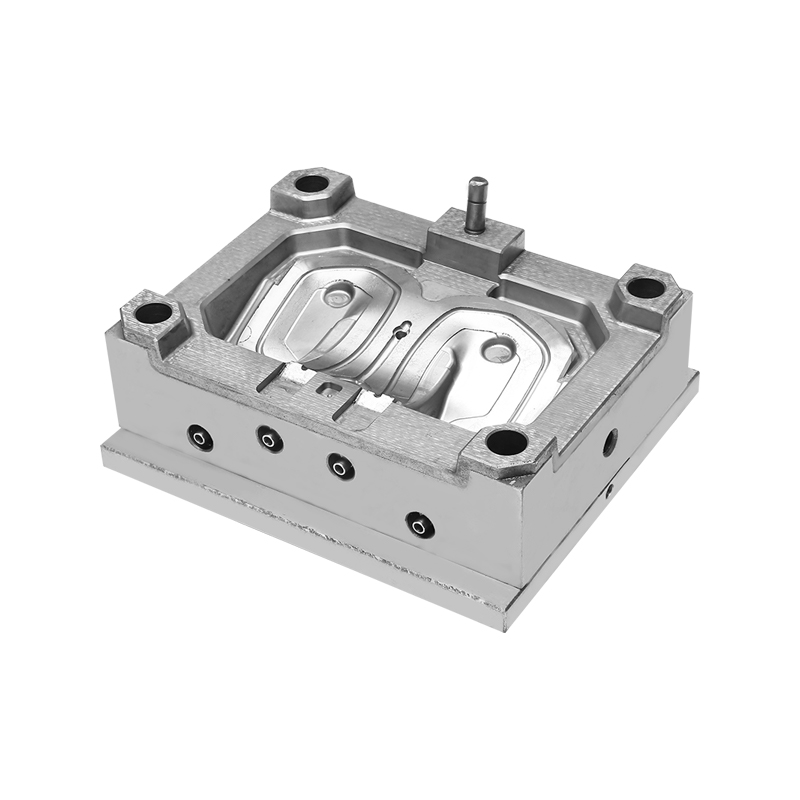
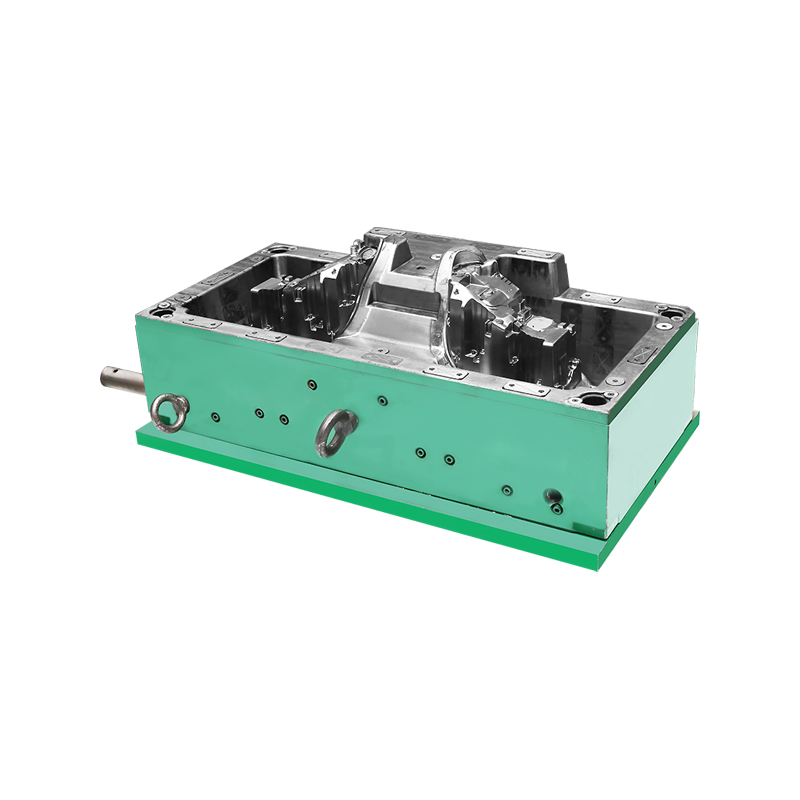
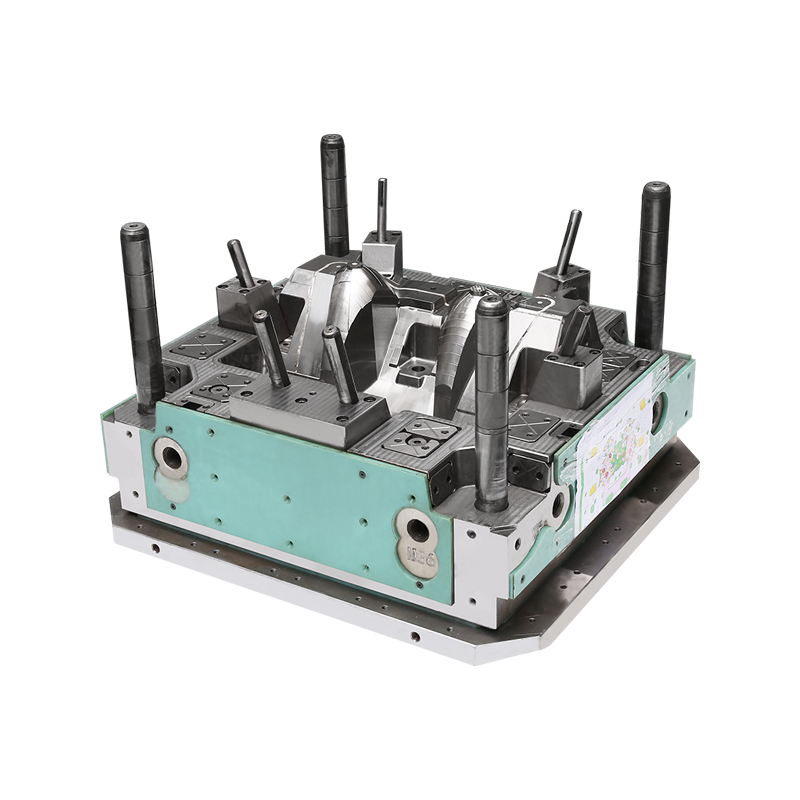
Car body moulds are essential components in automotive manufacturing, providing the precise forms required for vehicle panels and structural components. These moulds ensure accurate shaping, consistent thickness, and proper alignment of car bodies, supporting both safety standards and aesthetic appeal. The design and production of car body moulds demand engineering expertise, advanced materials, and precision fabrication techniques. Modern vehicles rely on these moulds to achieve complex contours, smooth surfaces, and aerodynamic designs that define brand identity and consumer appeal. Car body moulds also enable faster production cycles and reduce material waste, contributing to cost efficiency and environmentally responsible manufacturing practices.
Materials used in car body moulds, such as high-grade steel and alloys, ensure durability under repeated production cycles. Surface treatments and polishing processes enhance the precision of mould cavities, allowing manufacturers to maintain tight tolerances and achieve flawless panel finishes. Advanced coatings and thermal treatments further improve mould longevity and resistance to wear. This combination of materials and technology ensures that car body components meet strict quality and safety requirements while supporting efficient production workflows. Integrated monitoring systems track mould performance and detect deviations early, maintaining consistency and reliability across production batches.
Innovations and Manufacturing Processes
Car body moulds have evolved with advancements in computer-aided design and manufacturing. CAD software allows engineers to simulate material behavior, optimize mould geometry, and anticipate potential production issues before fabrication. CNC machining, laser cutting, and polishing technologies enable the creation of highly accurate moulds that reproduce even intricate designs with consistency. Modern simulation tools also help predict thermal expansion and stress distribution, ensuring that the mould performs reliably under repeated production cycles and varying environmental conditions.
Multi-cavity moulds and modular inserts allow automotive manufacturers to produce multiple components simultaneously or adapt to different vehicle models without creating entirely new moulds. This flexibility reduces production costs and increases efficiency, demonstrating how innovation in mould technology contributes to modern automotive manufacturing. Automated inspection systems and quality control measures ensure that each mould meets precise specifications, minimizing defects and supporting uniformity across production batches. The integration of digital tracking and real-time monitoring enhances production reliability, allowing engineers to quickly identify and resolve potential issues before they impact output.
Impact on Vehicle Performance and Design
Car body moulds influence not only the visual appeal of vehicles but also their structural performance. Properly designed moulds ensure that panels align correctly, maintain structural integrity, and support safety features such as crumple zones. Advanced mould designs accommodate lightweight materials and complex curves, improving fuel efficiency and aerodynamic performance without compromising durability.
Beyond performance, car body moulds support creative design choices, including unique panel shapes, textures, and finishes. These moulds enable automotive designers to experiment with aesthetics while ensuring manufacturability and safety. The integration of technology, materials science, and design expertise underscores the importance of moulds in shaping modern vehicles that meet functional and stylistic requirements.
Conclusion
Car body moulds play a critical role in automotive manufacturing, combining precision engineering, advanced materials, and innovative design techniques. They ensure the production of safe, durable, and visually appealing vehicle components while supporting efficiency and consistency. Continuous innovation and meticulous fabrication allow car body moulds to enhance overall vehicle quality, performance, and aesthetic value, highlighting the essential connection between engineering excellence and automotive design.