English
 中文简体
中文简体 русский
 Español
Car body moulds play a central part in the creation of vehicle exteriors. These specialized tools form the metal and composite panels that define a car's outer structure. Manufacturers rely on them to produce consistent shapes and surfaces across different vehicle models.
Understanding the Basics of Car Body Moulds
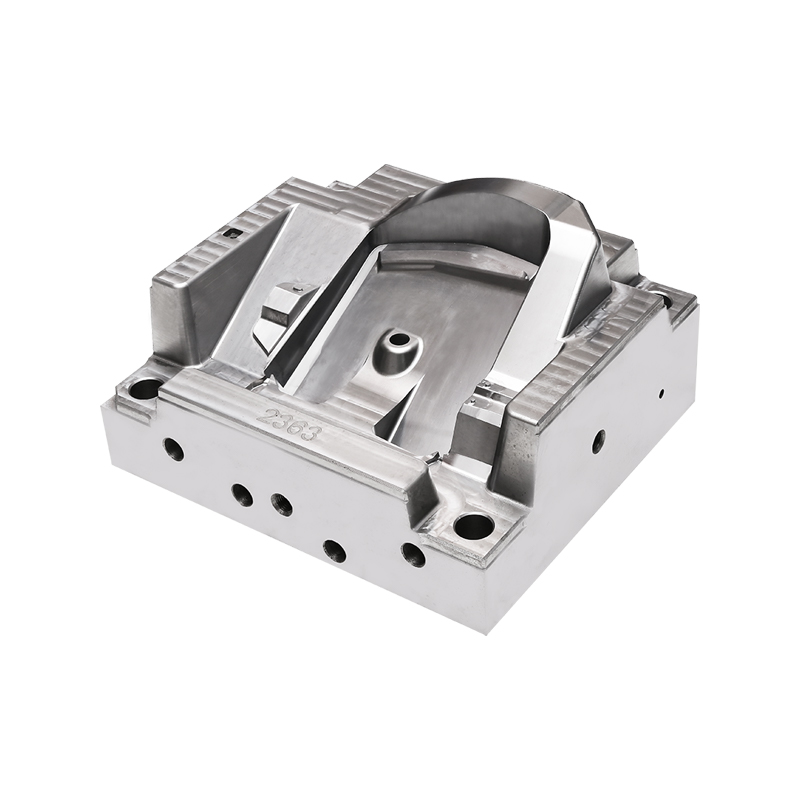
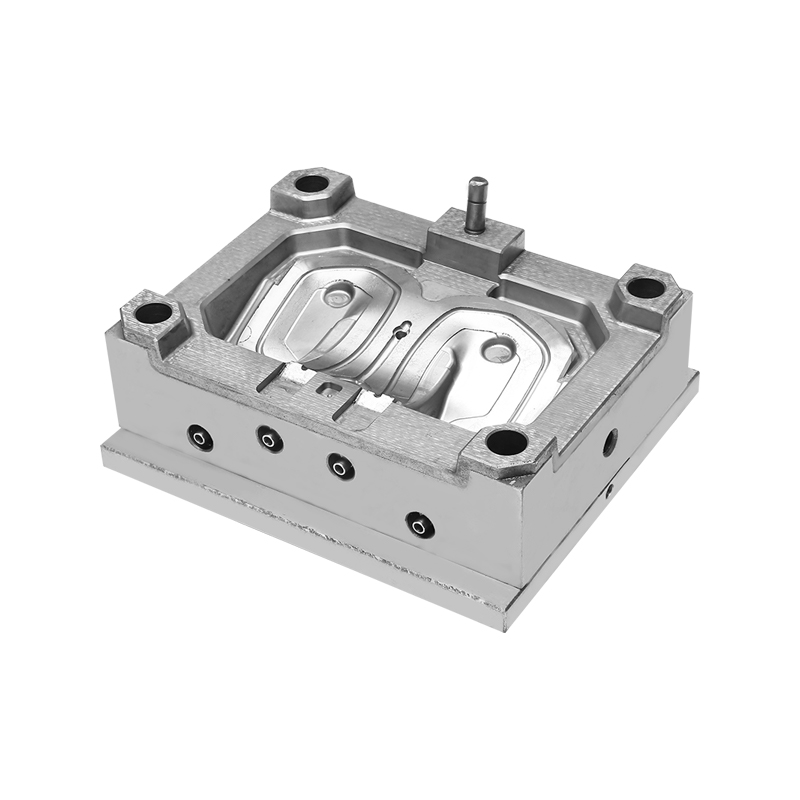
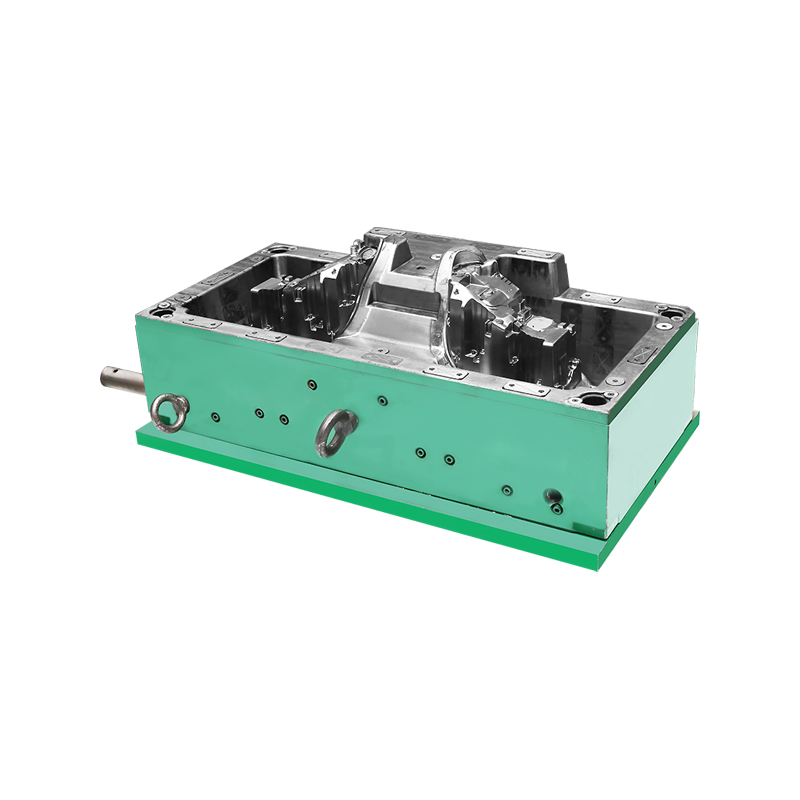
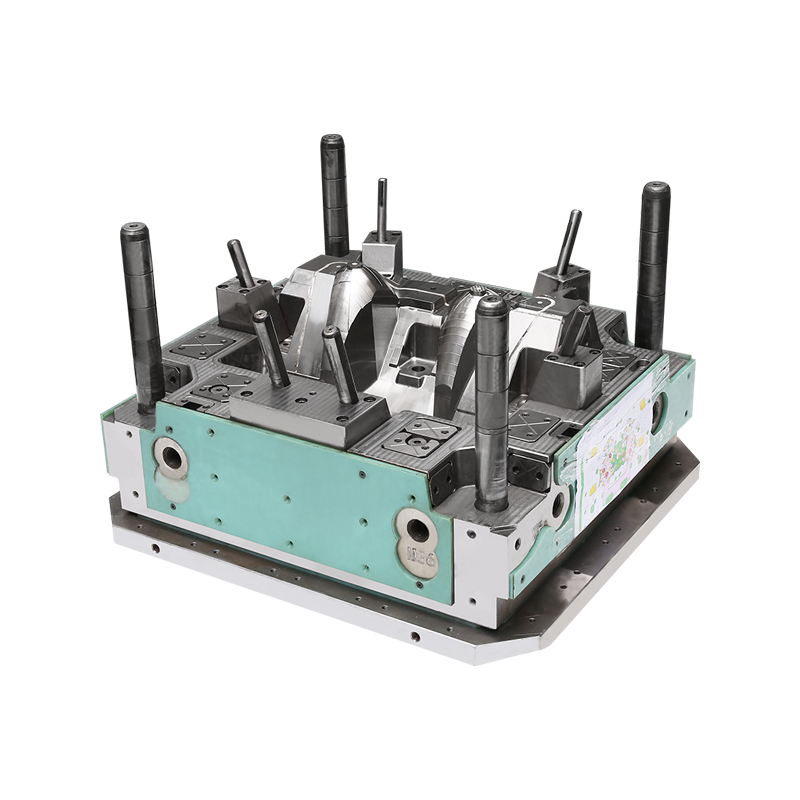
Car body moulds are precision forms used to shape materials into doors, hoods, fenders, and other body components. The moulds guide the forming process, whether through pressing, casting, or molding techniques. Their design ensures that each part meets the required dimensions for assembly.
The process starts with detailed blueprints that capture the curves and contours of the vehicle design. Engineers translate these specifications into durable moulds capable of repeated use in high-volume production lines. This approach supports uniformity across thousands of units.
Materials Commonly Used in Mould Construction
Steel remains a frequent choice for car body moulds due to its strength and ability to hold fine details. Aluminum alloys also appear in certain applications where lighter weight aids handling during setup and adjustments.
Composite materials find use in specific mould types, particularly for prototype development or lower-volume runs. Each material selection aligns with the intended production scale and the complexity of the body panel geometry.
Key Manufacturing Processes Involving Moulds
Stamping operations use large presses with matched upper and lower moulds to form sheet metal into body panels. The metal sheet sits between the mould halves, and hydraulic force creates the desired shape in a single or progressive sequence of steps.
Injection moulding applies to plastic and composite body elements. Molten material flows into the mould cavity under pressure, cooling to form parts like bumpers or trim pieces. Reaction injection moulding serves similar purposes for larger components.
Role in Vehicle Design and Assembly
Car body moulds allow designers to incorporate complex curves and aerodynamic features into vehicle profiles. The precision of the moulds helps achieve tight tolerances that support proper panel alignment during final assembly.
Welded and bolted connections between moulded panels create a unified body structure. This integration contributes to overall vehicle stability and fit. Adjustments to mould designs accommodate changes in model variants, such as different trim levels or regional adaptations.
Types of Car Body Moulds in Use
Single-stage moulds handle simpler panel formations in one operation. Progressive die moulds perform multiple forming steps in sequence within a single press cycle, suitable for intricate shapes.
Prototype moulds made from softer materials or rapid tooling methods support early design validation. Production moulds, built for durability, withstand the demands of continuous manufacturing shifts.
Factors Affecting Mould Performance
Mould temperature control during operation influences material flow and final part quality. Cooling channels integrated into the mould design help regulate heat levels throughout the cycle.
Surface treatments on the mould faces reduce friction and extend service intervals between maintenance activities. Regular inspection of mould alignment prevents defects in formed parts.
Techniques for Precision in Mould Operation
Computer numerical control machining creates the initial mould surfaces with high accuracy. Subsequent polishing steps achieve the required surface finish on the Car body mould cavity.
Simulation software assists in predicting material behavior inside the mould before physical production begins. This digital step helps refine mould geometry for better results on the shop floor.