English
 中文简体
中文简体 русский
 Español
The Importance of Car Body Moulds in Vehicle Manufacturing
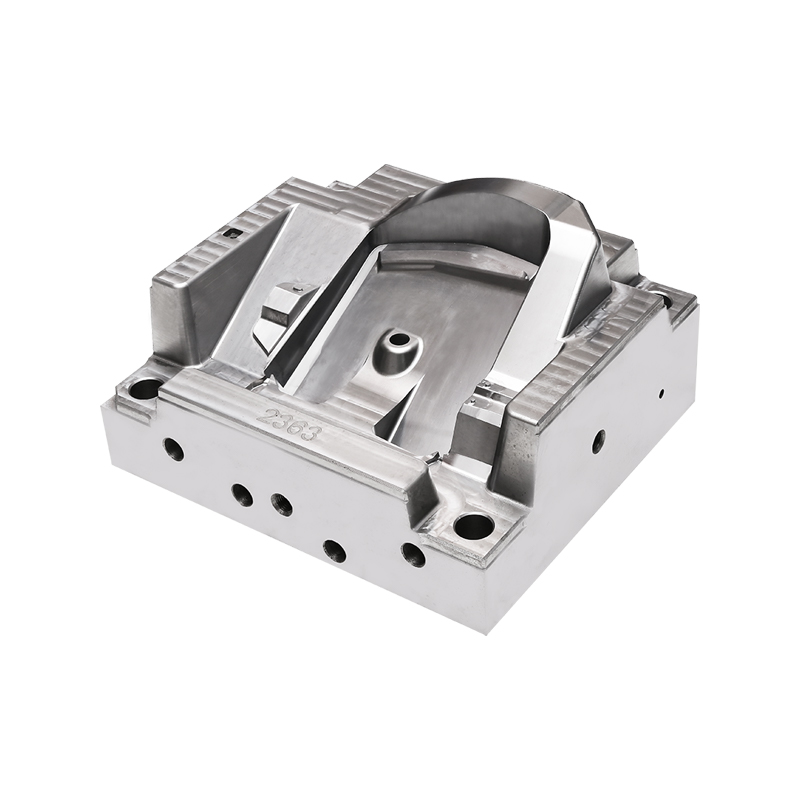
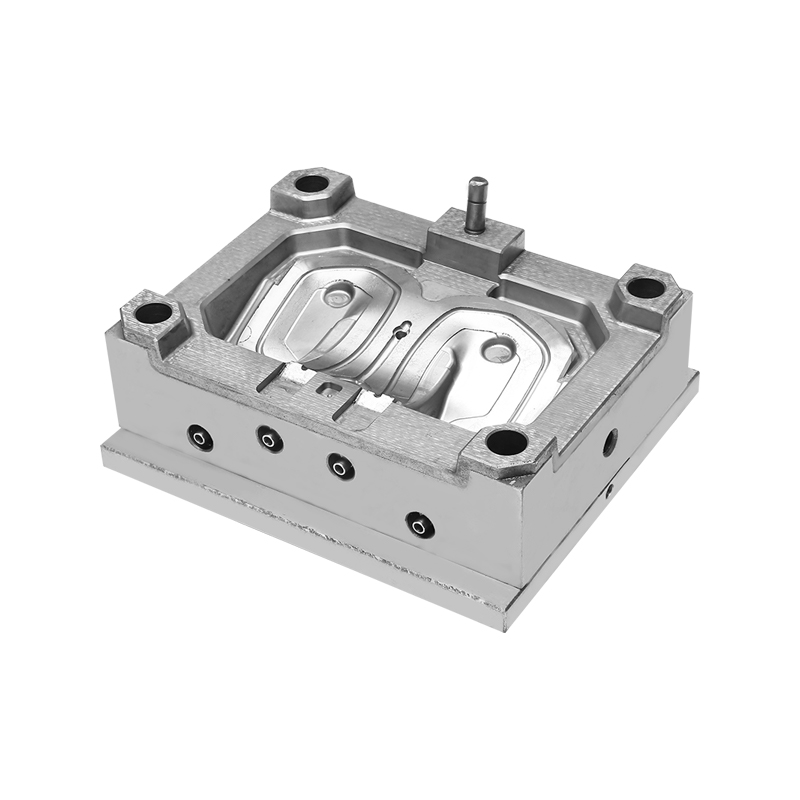
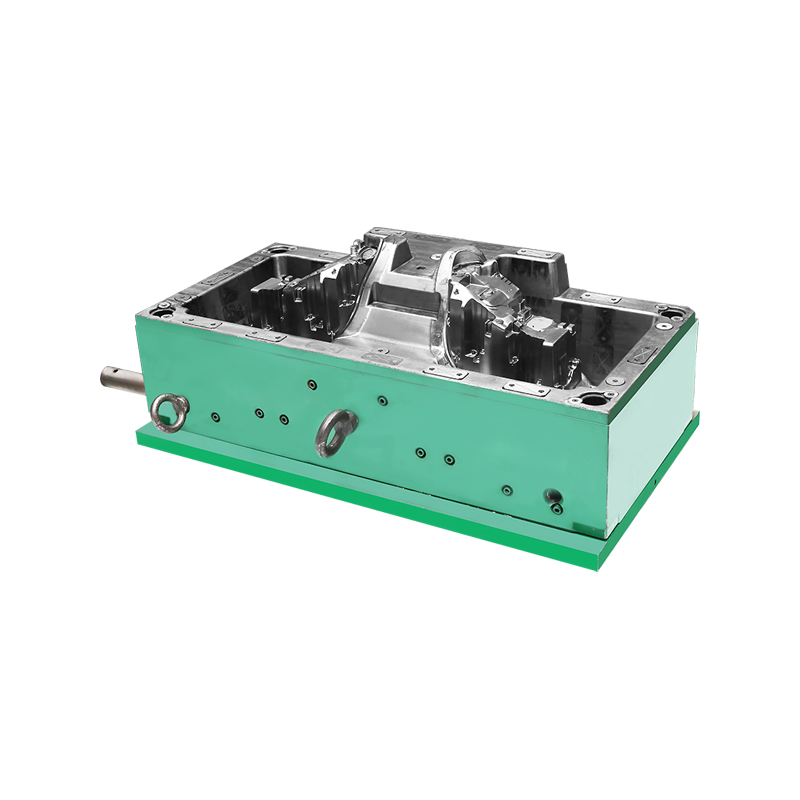
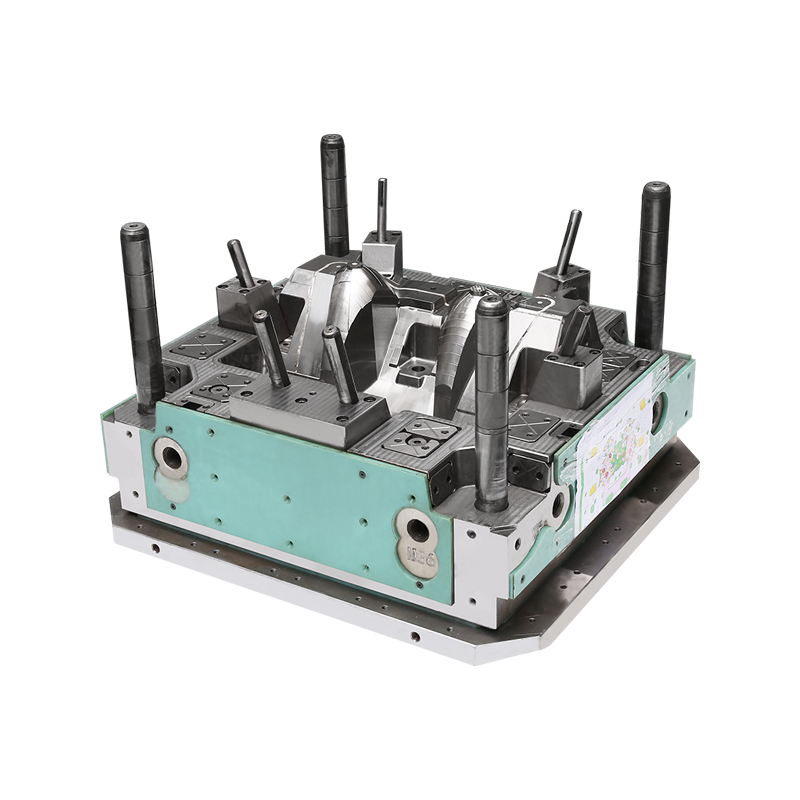
Car Body Moulds form the framework for producing vehicle panels, chassis components, and exterior structures. These molds ensure that each panel maintains correct dimensions, fit, and alignment. Precision in mold design supports vehicle assembly, allowing doors, hoods, fenders, and other body parts to integrate seamlessly. Structural integrity and appearance both rely on the accuracy of Car Body Moulds, making them vital in automotive production.
Mold design involves selecting durable materials, typically steel alloys or reinforced composites, to withstand high pressures and repeated use. Engineers create cavities that reflect the exact shape of each component, including curvature, mounting points, and surface details. Polished surfaces and precise cavity dimensions reduce post-processing and ensure uniform panel thickness.
Manufacturing Process and Material Flow
Car Body Moulds are used in stamping, injection, or thermoforming processes, depending on the material and component design. Metal sheets or composite panels are shaped under controlled pressure and temperature conditions, forming complex geometries with accurate tolerances. Flow control ensures even distribution of force, preventing warping, stress concentrations, or surface imperfections. Engineers carefully design mold cavities to match material properties, allowing consistent replication of panels while maintaining structural integrity. Each step is calibrated to produce uniform thickness and precise dimensions, supporting reliable assembly later in the production line.
Cooling channels or thermal regulation systems within the molds maintain material stability. Multi-station production lines may allow simultaneous shaping of multiple panels, improving efficiency while ensuring consistency across vehicle batches. Automated sensors monitor pressure, temperature, and alignment to maintain quality standards during production. Additional adjustments in mold positioning and clamping systems help reduce variation, ensuring that each panel meets required tolerances. This combination of controlled flow, thermal management, and monitoring enables high-precision production of complex vehicle body components.
Functional Design and Component Integration
Design considerations for Car Body Moulds extend beyond shape. Engineers integrate attachment points, reinforcement ribs, and structural features to support mechanical loads and assembly requirements. The mold must produce panels that align with doors, hoods, and other parts during assembly, ensuring precise fit. Surface details such as textures or finishing patterns are incorporated directly into the mold to reduce secondary processing. Careful planning of these features helps maintain consistency across multiple production runs, ensuring each panel performs reliably within the vehicle structure.
Adjustments in mold geometry allow for minor variations in material behavior, ensuring panels retain shape and strength. Mold accuracy directly affects the ease of assembly, structural performance, and aesthetic quality of the vehicle. Engineers also consider draft angles, venting, and reinforcement placement to prevent defects and support smooth ejection of parts. These measures contribute to uniformity, structural reliability, and a finished product that meets both functional and visual requirements.
Production Efficiency and Quality Control
Efficiency in Car Body Mould production relies on careful planning, precise material handling, and consistent operation. Automated systems reduce variability, handling components and monitoring key parameters. Regular inspection ensures dimensional accuracy, surface smoothness, and mechanical performance of each panel.
High-precision Car Body Moulds enable reliable mass production of vehicle components, ensuring panels fit seamlessly, maintain structural integrity, and support overall vehicle design. By combining advanced mold design, material expertise, and controlled manufacturing processes, Car Body Moulds continue to form the foundation of consistent, high-quality automotive production across multiple vehicle models.