English
 中文简体
中文简体 русский
 Español
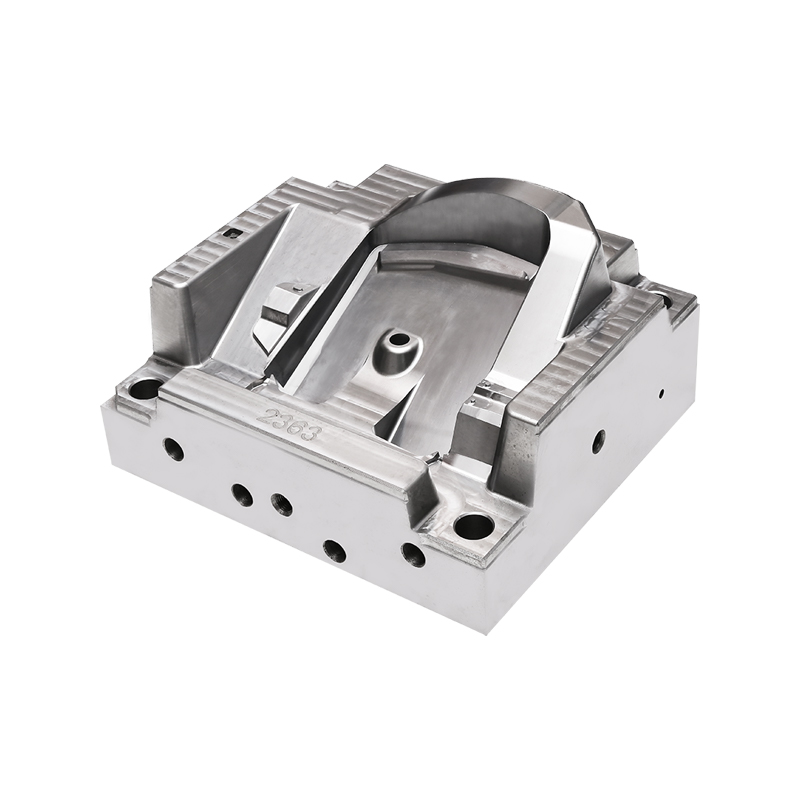
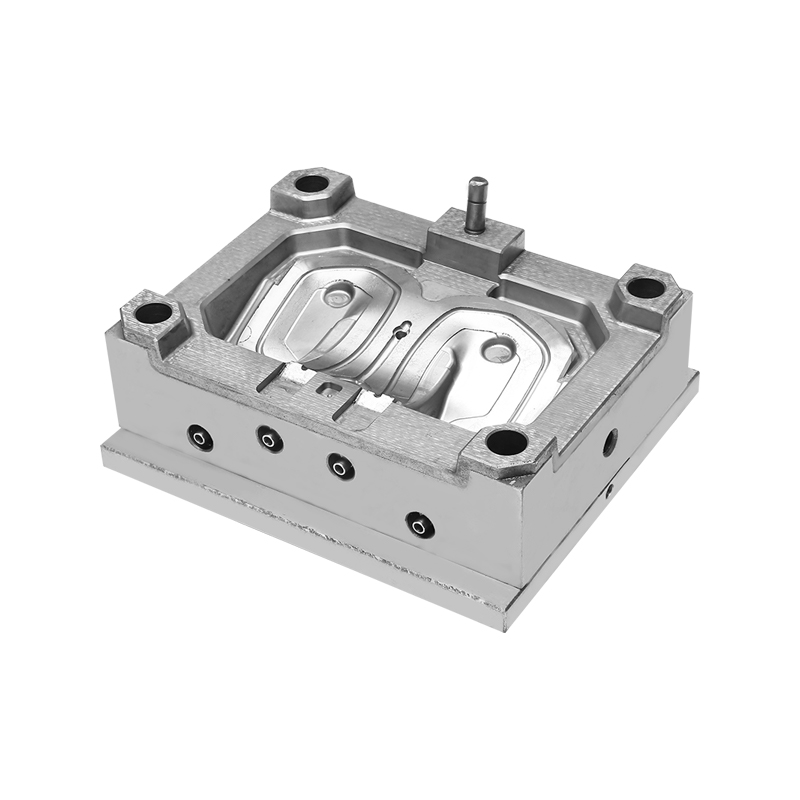
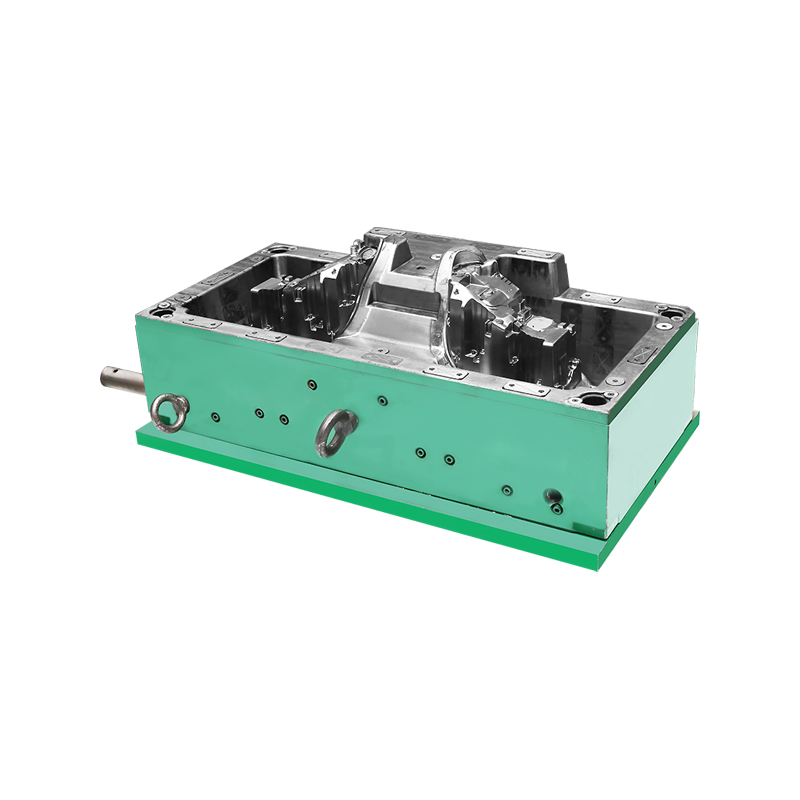
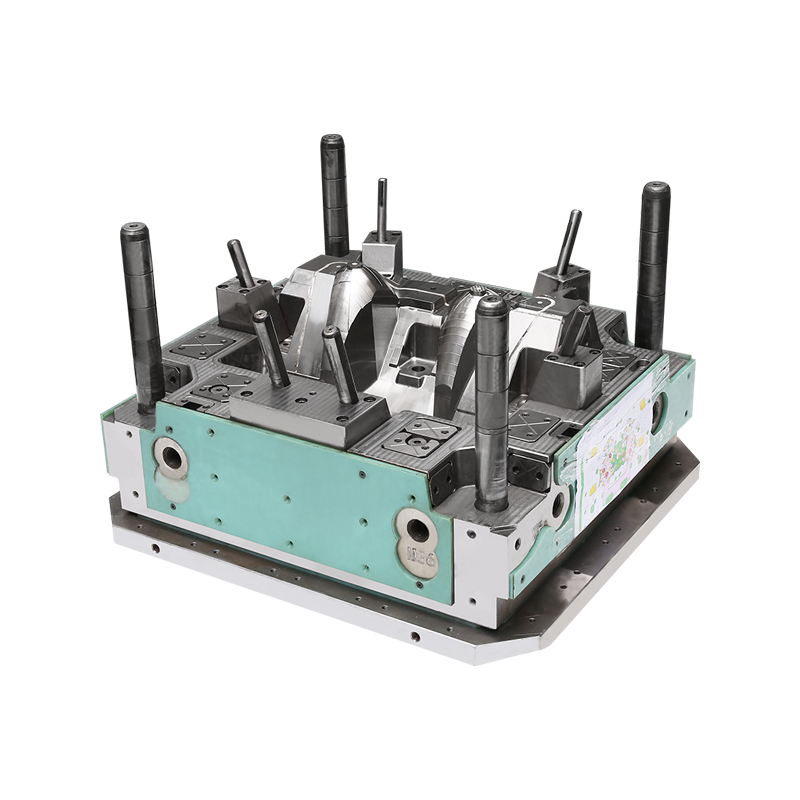
The Car Body Moulds industry continues to play a central role in the evolution of automotive manufacturing, serving as the foundation for precision shaping and consistent production of vehicle exteriors. The automotive sector’s move toward more aerodynamic, lightweight, and visually refined designs has increased the importance of mould technology at every stage of production, from concept modeling to final assembly.
Car body moulds are used to form large exterior panels such as doors, hoods, fenders, and roofs. These moulds determine not only the dimensional accuracy of each component but also the surface quality that defines a vehicle’s aesthetic appeal. The increasing complexity of automotive body structures has encouraged manufacturers to adopt high-precision machining equipment and advanced simulation systems that enhance mould durability, stability, and efficiency.
Technological innovation is reshaping how car body moulds are designed and produced, creating a more connected and intelligent manufacturing environment. Three-dimensional scanning and reverse engineering allow engineers to verify mould geometry with high precision and ensure consistency across large production batches. Combined with simulation analysis, digital twins, and automated calibration, these tools make it possible to detect potential deviations early, streamline workflow, and maintain uniform quality standards—essential factors for achieving efficiency and precision in high-volume automotive production.
The material selection process has also become more strategic. Tool steels, aluminum alloys, and composite materials are used depending on the production volume and desired product properties. Advanced heat treatment and surface coating methods improve wear resistance and extend the service life of moulds. Lightweight mould materials are being explored to reduce energy consumption during pressing and forming operations.
Automation is now an essential part of mould manufacturing. Robotic polishing, automated milling, and intelligent quality inspection systems allow continuous operation and uniform results. These methods not only improve productivity but also ensure a consistent finish that meets the stringent standards of global automakers. The use of smart sensors and data tracking has further enhanced process control, allowing real-time adjustments during machining or forming.
Sustainability is emerging as a guiding principle in the car body mould industry. Manufacturers are optimizing cooling systems, recycling cutting fluids, and implementing cleaner production lines to reduce waste and energy use. Reusable steel blocks and modular mould designs are helping to minimize material consumption while maintaining flexibility for multiple vehicle models. These environmentally conscious practices align with the automotive industry’s broader efforts to achieve carbon neutrality and sustainable production.
Close collaboration between car manufacturers and mould makers has become a defining feature of the modern automotive supply chain. From the early stages of vehicle design, engineers and mould specialists work together to optimize panel geometry, forming feasibility, and material performance. This partnership ensures that each car body component not only meets structural requirements but also contributes to overall design harmony.
The global car body mould industry stands as a symbol of engineering precision and continuous improvement. The combination of digital design, advanced materials, and intelligent manufacturing allows mould producers to help automakers reach higher standards of efficiency and quality. The automotive market’s growing focus on electrification, lightweight structures, and sophisticated styling keeps car body moulds as a crucial factor in shaping the future of vehicle design and production.