English
 中文简体
中文简体 русский
 Español
Vehicle body panels may appear simple from the outside, but their production involves detailed engineering, controlled forming processes, and carefully prepared tooling. Doors, hoods, fenders, roofs, and other exterior components require specific shapes that match the vehicle design. Car Body Moulds provide the forming surfaces needed to create these panels and play an important role in automotive manufacturing.
Panel Design Starts With Digital Data
Before a mould enters production, engineers normally create a digital model of the vehicle panel. CAD software can define curves, edges, openings, mounting areas, and other geometric features.
The digital model gives tool designers a reference for developing forming surfaces. Engineers also study how the selected sheet material will move during forming.
Complex curves can require detailed calculations because the metal needs to change shape without creating unwanted deformation.
Mould Structure Controls Panel Formation
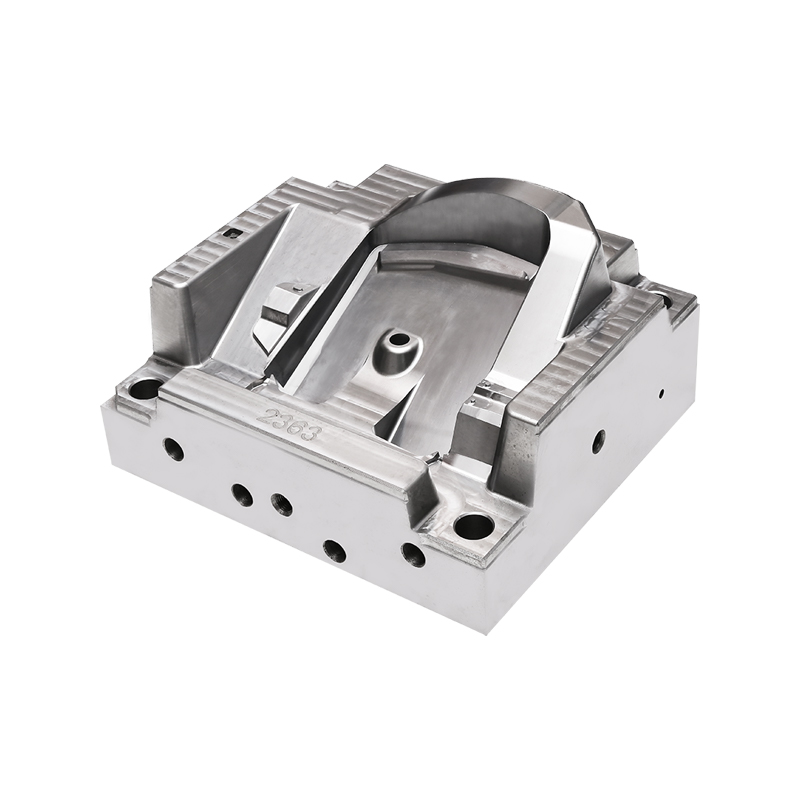
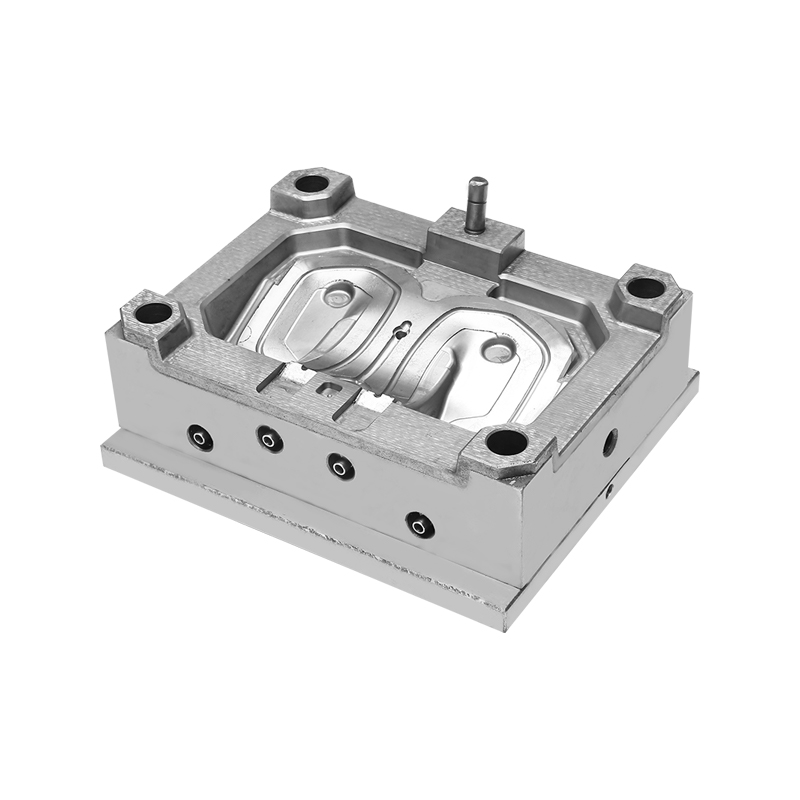
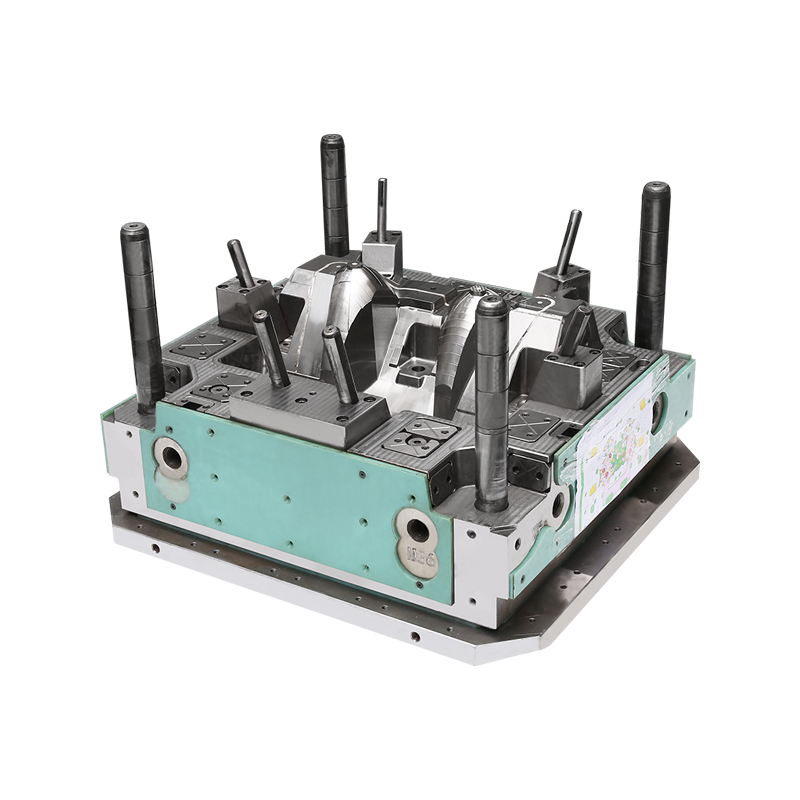
A typical automotive body mould contains several key sections. Forming surfaces create the desired panel geometry, while supporting components hold the tooling together during production.
Depending on the forming process, the tooling may include upper and lower sections, guide systems, inserts, pressure components, and other mechanical parts.
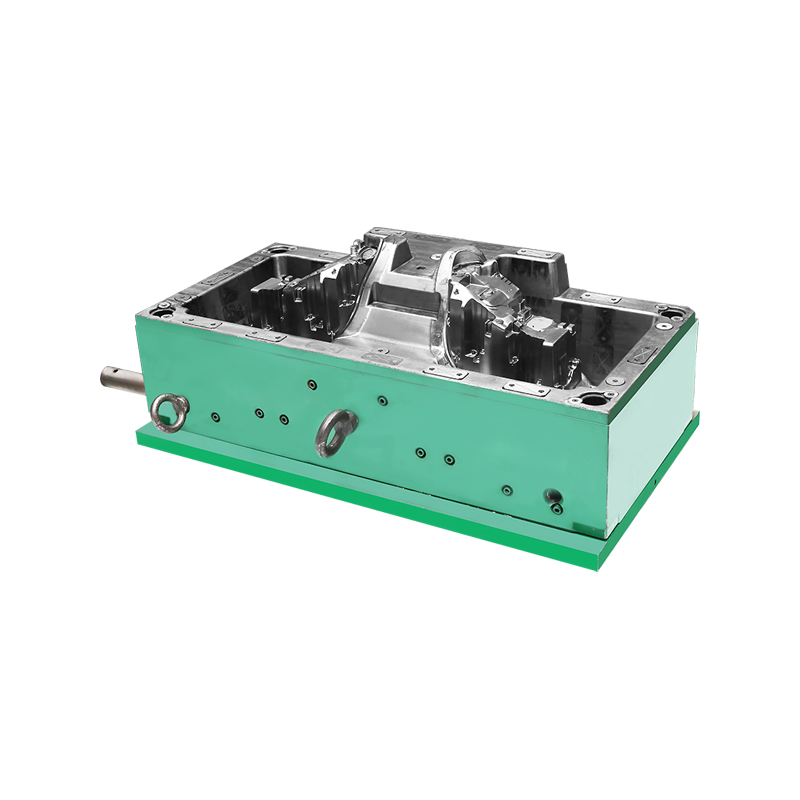
The structure needs to match the production equipment and the dimensions of the panel. Large vehicle doors or hood panels require tooling with sufficient working space and structural support.
Stamping Shapes Metal Panels
Stamping is a widely used method for producing vehicle body components. A sheet of metal is positioned between forming tools, and mechanical force changes its shape.
During this operation, the material flows across the forming surface. The tool geometry determines the final shape of the panel.
For Car Body Moulds, designers need to consider material thickness, forming depth, corner radius, and panel curvature. These factors can influence how the sheet behaves during stamping.
Surface Geometry Needs Careful Control
Automotive panels often contain smooth curves and sharp transition areas. Small differences in the forming surface can become visible on the finished panel.
Toolmakers therefore use CNC machining to create precise mould surfaces. Milling operations can remove material according to the digital design, followed by additional finishing processes where required.
Scanning equipment can compare the manufactured tool surface against the original CAD model, helping engineers identify dimensional differences.
Material Selection Influences Tool Construction
Automotive moulds experience repeated mechanical loads during production, so tooling materials need suitable hardness, strength, and machining characteristics.
Different steel grades can be selected for forming surfaces, support plates, inserts, and other components. The selection depends on the panel material, production volume, forming method, and tooling structure.
Surface treatments may also be applied to selected areas according to the production requirements.
Complex Panels Require Detailed Tooling
Modern vehicle designs often use sculpted doors, curved fenders, shaped hoods, and other components with multiple contour changes. These designs can make tooling more complicated.
A single panel may contain several functional areas, such as mounting points, reinforcement sections, edges, and openings. The mould needs to accommodate these features without interfering with the forming process.
For Car Body Moulds, tool designers may use separate inserts or replaceable sections for particular geometric areas.
Applications Extend Across Vehicle Panels
Car Body Moulds can be developed for many exterior and structural components. Doors, fenders, roofs, hoods, trunk panels, and other body parts each require tooling based on their individual geometry.
Different vehicle models can also require different mould configurations. Even panels that look similar may have different dimensions, curves, mounting points, or material requirements.