English
 中文简体
中文简体 русский
 Español
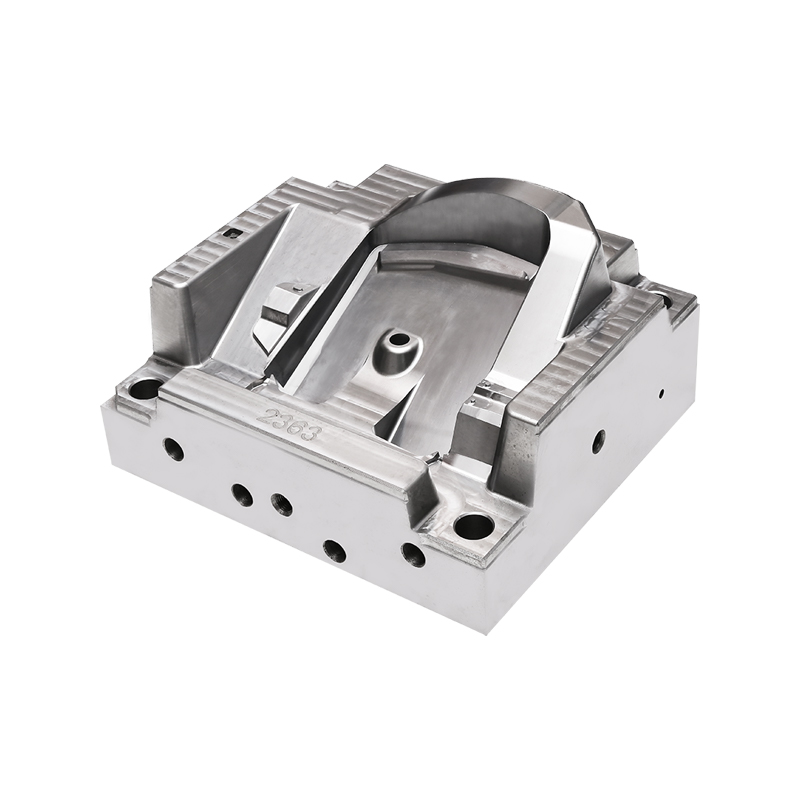
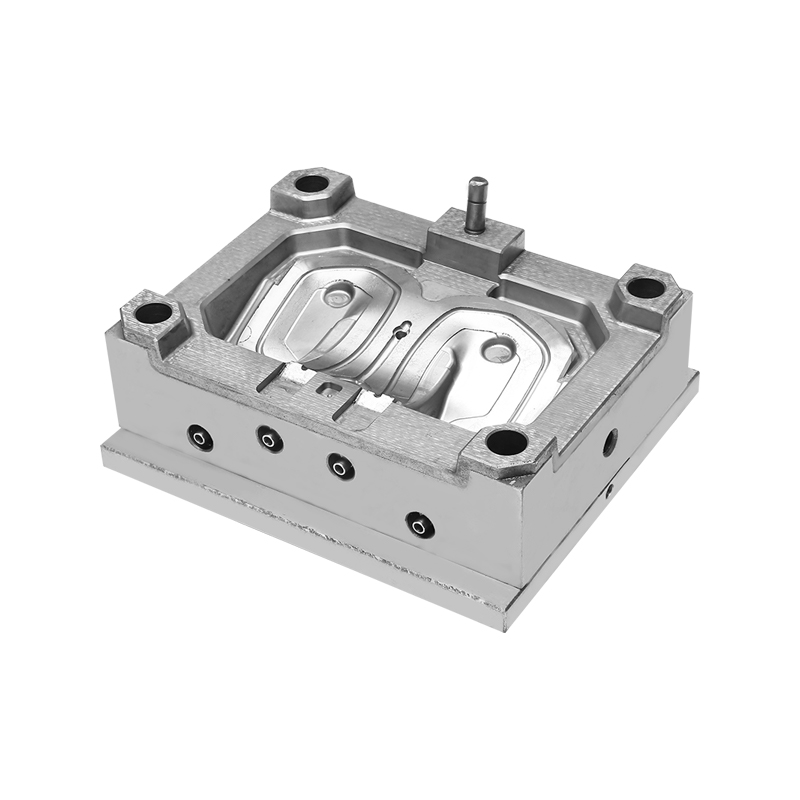
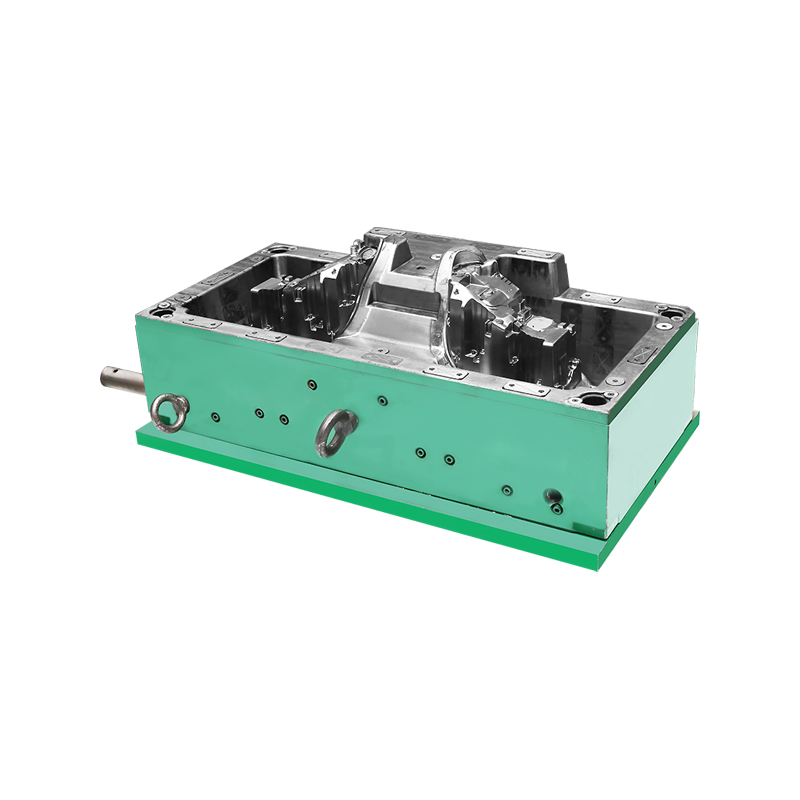
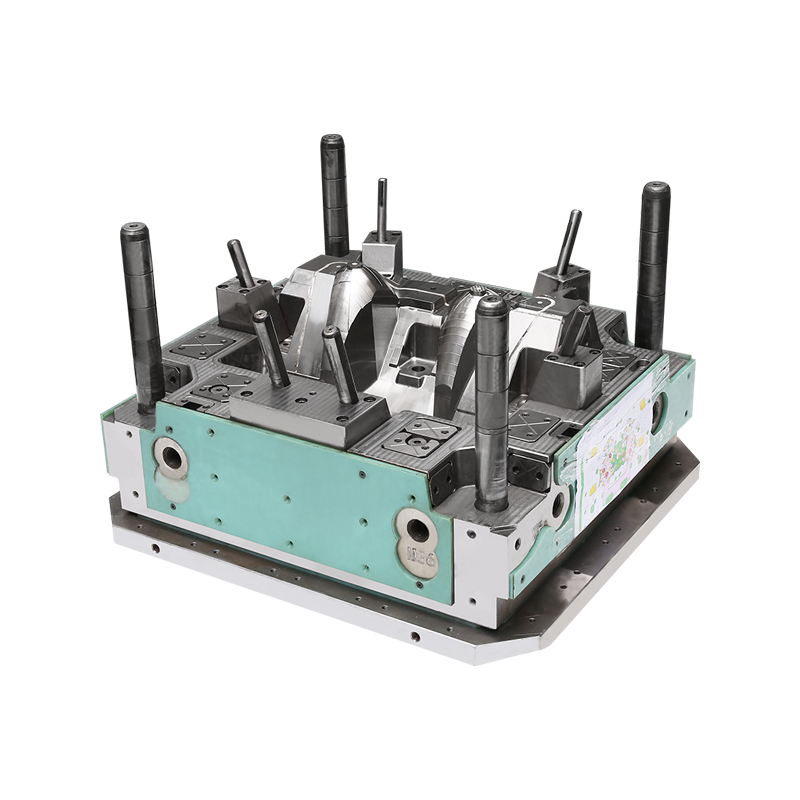
Car Part Mold serves as an essential tool in producing various vehicle components, ranging from interior panels and engine covers to exterior trim and structural elements. Moulds determine the shape, dimensions, and mechanical performance of each part. High-quality molds ensure components fit accurately within vehicles and maintain consistent functionality across production runs.
The process begins with detailed design of the mold cavity. Engineers select materials capable of withstanding injection pressures and thermal cycles, often using steel alloys or aluminum. The cavity must replicate the exact shape of the part, accounting for tolerances, thickness variations, and mounting interfaces. Surface finishing of the mold contributes to smoothness, reducing the need for post-processing and enhancing the part’s appearance.
Injection molding machines utilize Car Part Molds to fill cavities with molten plastic, resin, or composite material. Flow paths are designed to ensure even distribution, preventing warping or uneven surface texture. Multi-cavity molds allow simultaneous production of several parts, maintaining dimensional consistency and improving efficiency in mass production.
Design considerations extend to functional aspects of the part. Molds incorporate ribs, channels, and attachment points, which provide structural support and enable integration into vehicle assemblies. Engineers analyze cooling paths to control solidification, reducing stress and maintaining mechanical strength. Ejection systems are carefully designed to remove parts without causing deformation or surface defects.
Surface treatment techniques such as polishing, nitriding, or coating extend mold life and ensure uniform finishes. Regular inspection checks for wear, scratches, or dimensional deviations that could affect part quality. Precision in mold design is particularly important for critical components such as engine covers, dashboard panels, and safety-related parts, where accuracy affects performance and fit.
Modern Car Part Mold production also integrates automated monitoring systems. Sensors track temperature, pressure, and cycle timing to ensure each injection is performed under controlled conditions. This reduces variability in part dimensions and improves repeatability across production batches. Robotic arms may handle part removal, minimizing the risk of damage and supporting smooth workflow in high-volume manufacturing.
Customization of molds allows manufacturers to produce components tailored to specific vehicle models. Variations in panel thickness, curvature, or attachment points are accommodated through precise adjustments in the mold cavity. This adaptability is particularly valuable when producing limited edition or specialized vehicles that require unique component shapes while maintaining assembly compatibility.
In addition, Car Part Mold technology supports innovation in materials. New thermoplastics and composite materials can be used effectively because the molds are engineered to handle specific flow characteristics and cooling requirements. This expands the possibilities for lighter, stronger, or more heat-resistant components that enhance vehicle performance.
Efficiency in Car Part Mold design and production influences overall manufacturing workflow. Engineers focus on repeatable processes, controlled material flow, and mold durability. These elements help ensure components maintain functional reliability, fit precisely, and integrate seamlessly into the final vehicle. Careful design, material expertise, and advanced production techniques make Car Part Molds a cornerstone of automotive manufacturing, supporting both precision and quality across diverse vehicle platforms.
Conclusion
Car Part Molds play a central role in ensuring the consistency, precision, and functionality of automotive components. Their careful design, durable materials, and engineered production processes guarantee that each part meets dimensional and performance standards. Advanced molding techniques, combined with automated monitoring and quality inspection, reduce variability and support efficient production. Customization options allow compatibility with diverse vehicle models and specialized components. Overall, Car Part Molds provide a reliable foundation for assembling vehicles, maintaining both structural integrity and aesthetic quality across a wide range of automotive applications.