English
 中文简体
中文简体 русский
 Español
Many products begin as a sketch on a desk or a file on a screen. Turning that idea into a physical part takes tools, material knowledge, and a repeatable process. A custom plastic molding company sits at that point where design meets production. It takes a set of requirements and builds the molds and parts that match them. The work is technical, but the goal is simple: make a part that fits and functions.
Reading a Design Before Cutting Steel
Before any metal is cut, engineers study the part file. They look at wall thickness, draft angles, and where the plastic will flow. Thin walls may cool too fast; thick walls may sink or warp. Adding a slight taper helps the part release from the mold. These details are easier to fix on a screen than in a hardened steel block.
Feedback often flows both ways. A customer may know the function of a part, while the molder knows how plastic behaves. When the two sides talk early, they can head off problems. A custom plastic molding company that raises questions at this stage can save weeks later. The design review is not a formality; it is part of the build.
Tooling and the Mold Itself
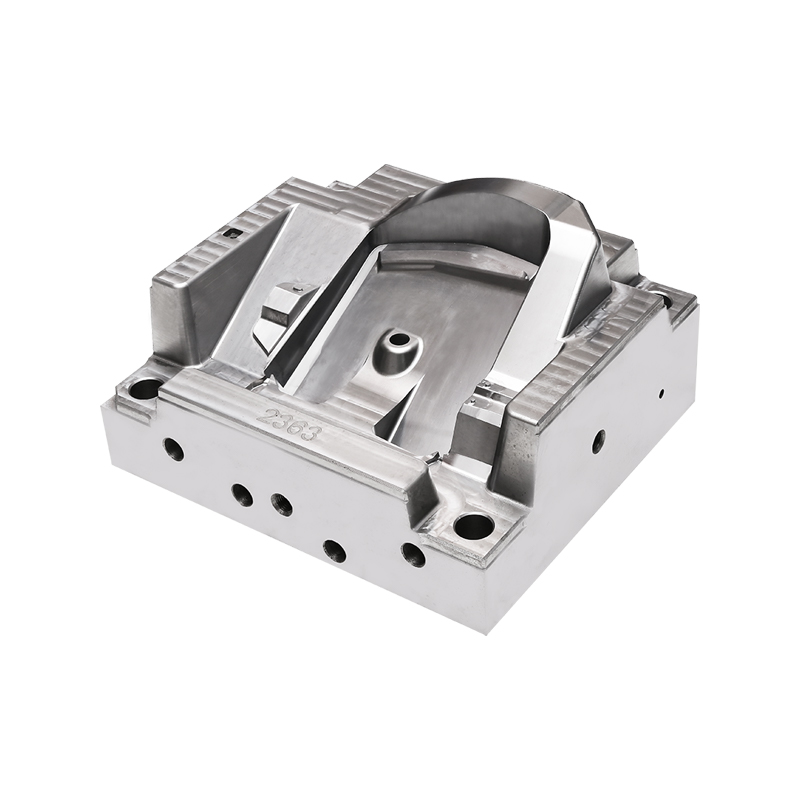
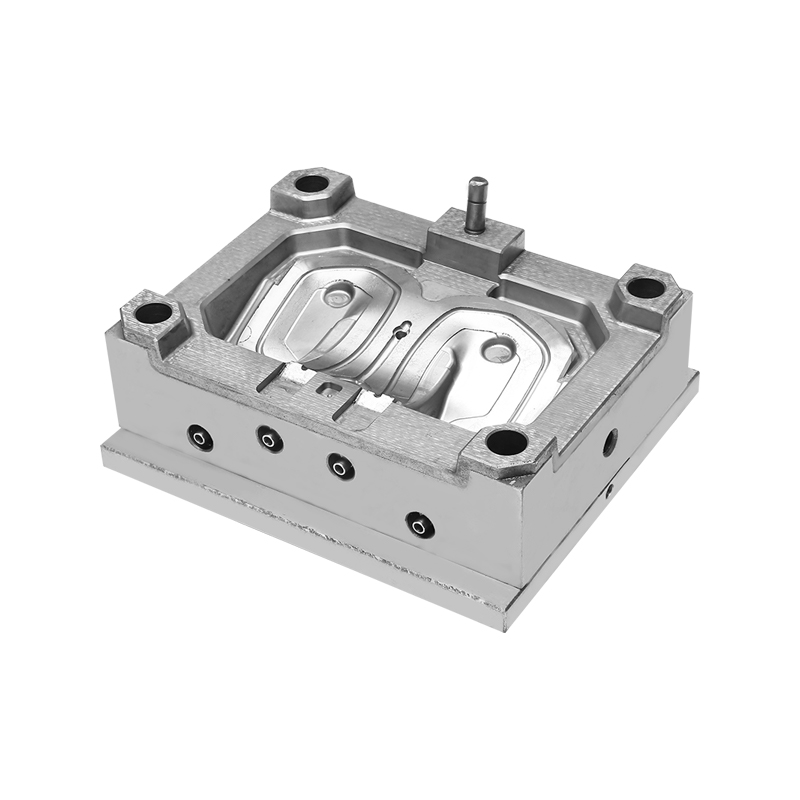
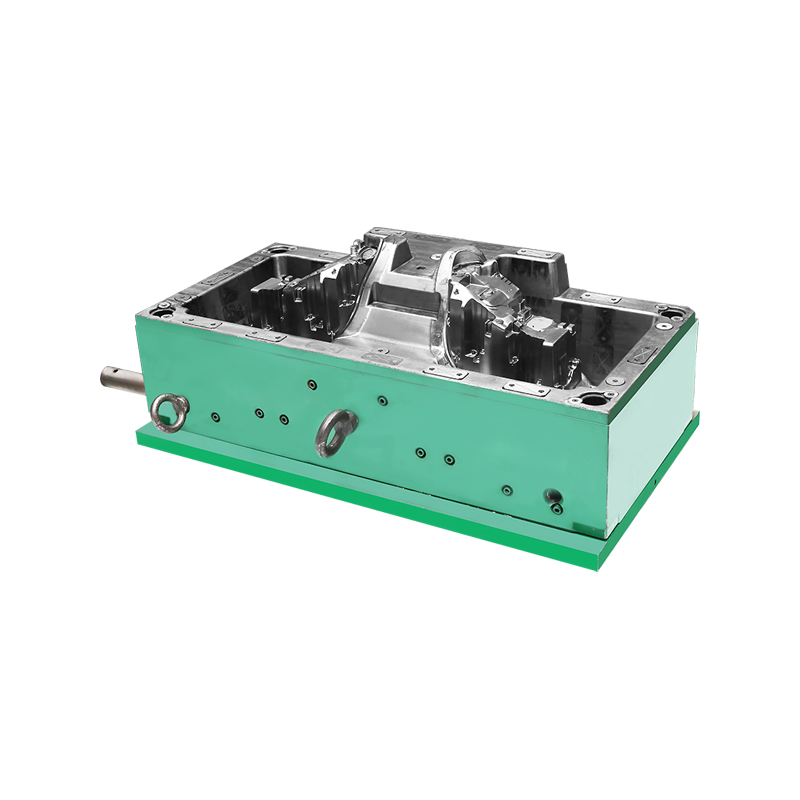
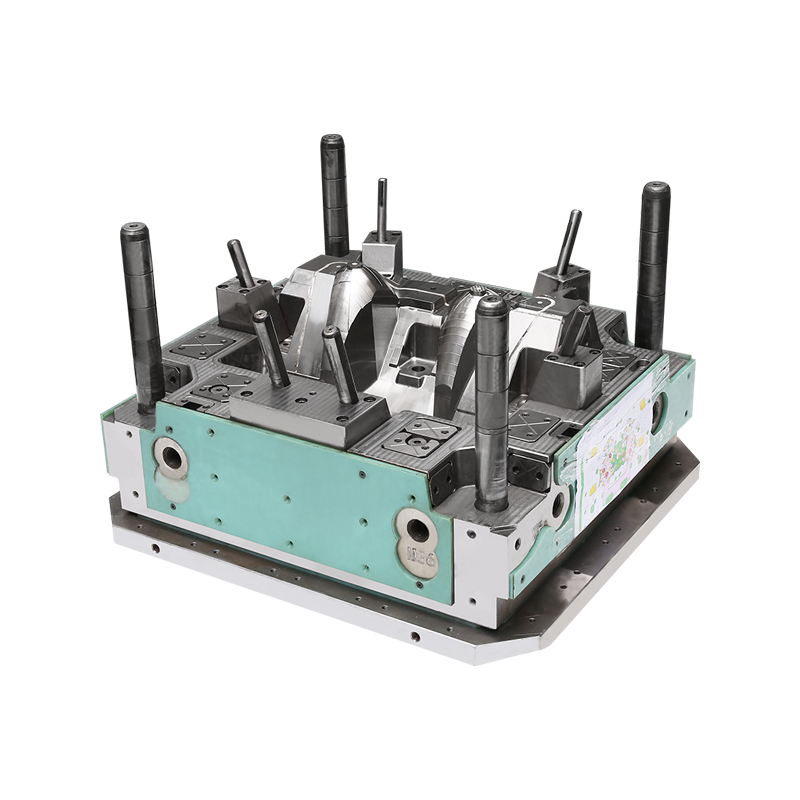
The mold is the heart of the process. It is a metal block with a cavity shaped like the part, plus channels for plastic and cooling. Cutting that cavity takes computer-controlled machines and a steady hand. Some molds have a single cavity; others hold many, so several parts form in one cycle. The choice depends on volume and part size.
Material choice also shapes the tool. Hardened steel suits long runs, while softer metals may serve short ones. Cooling lines are placed to pull heat from the plastic at an even rate. A well-built mold supports consistent parts, and a custom plastic molding company often treats tooling as the foundation of the whole job.
Materials and Process Choices
Different plastics behave in different ways. Some flow easily and fill thin sections; others resist heat or chemicals. A molder weighs these traits against the part’s use. The right resin can improve strength, surface feel, or dimensional stability. The wrong one can cause failures that only appear after thousands of cycles.
Process settings follow the material. Injection pressure, hold time, and cooling time all affect the result. Operators adjust these values and watch the parts that come out. Small tweaks can reduce flash or improve surface finish. This back-and-forth between material and machine is a daily part of the work.
From Prototype to Production Run
Many projects start with a sample. A prototype mold or a machined part lets a team test fit and form before committing to full tooling. A custom plastic molding company may support this stage with short runs and quick turns. Seeing a physical part often reveals issues that a screen cannot show.
Once the design settles, production begins. The same mold may run for years with periodic checks. Samples are measured, and records are kept so results stay consistent. When a part changes, the tool may be adjusted rather than rebuilt. This long view helps a custom plastic molding company serve a product through its life.