English
 中文简体
中文简体 русский
 Español
What "Custom" Actually Means in This Context
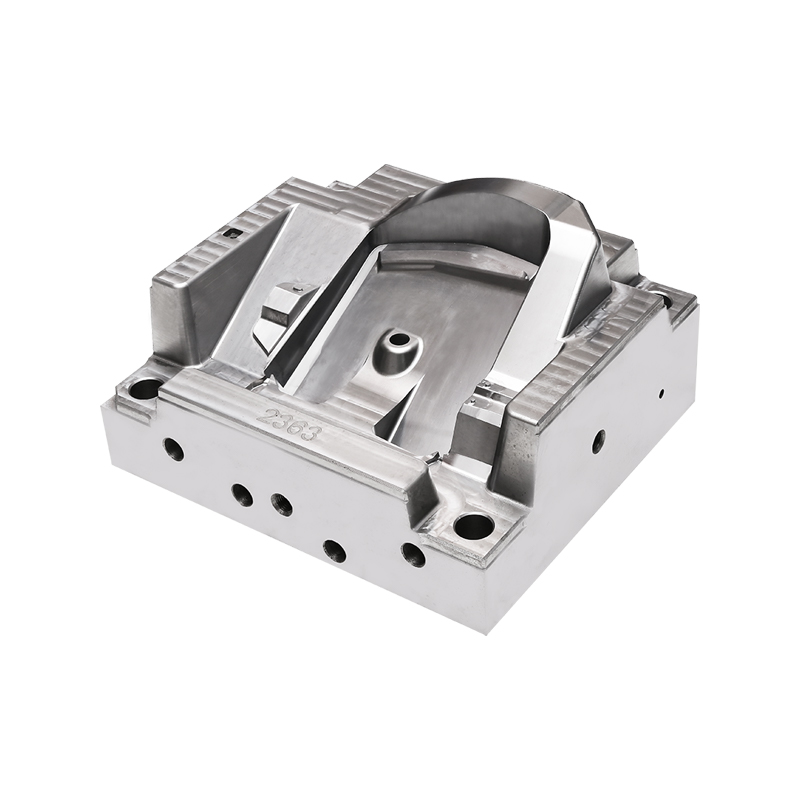
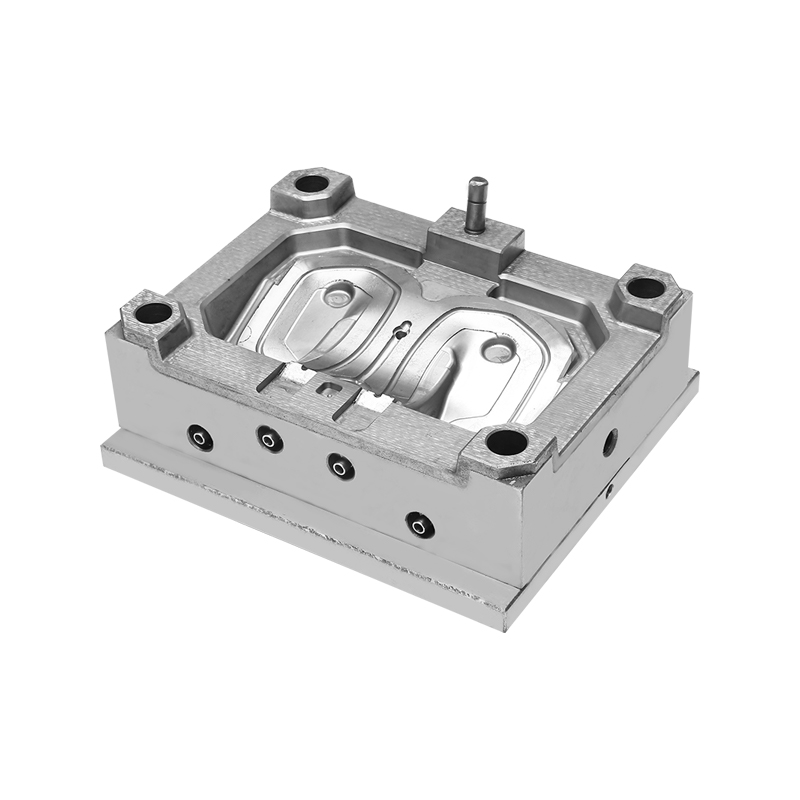
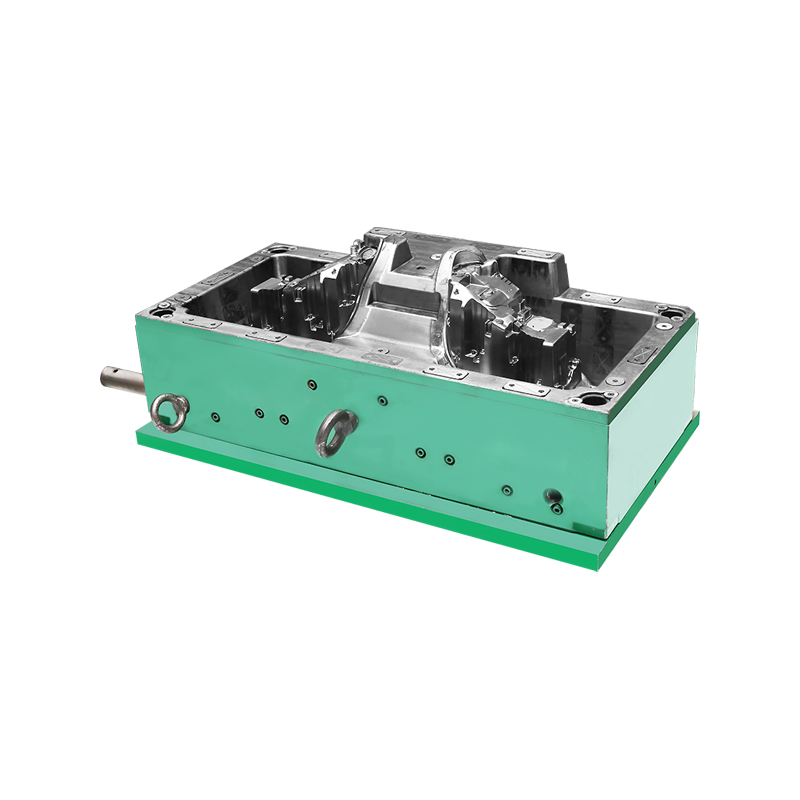
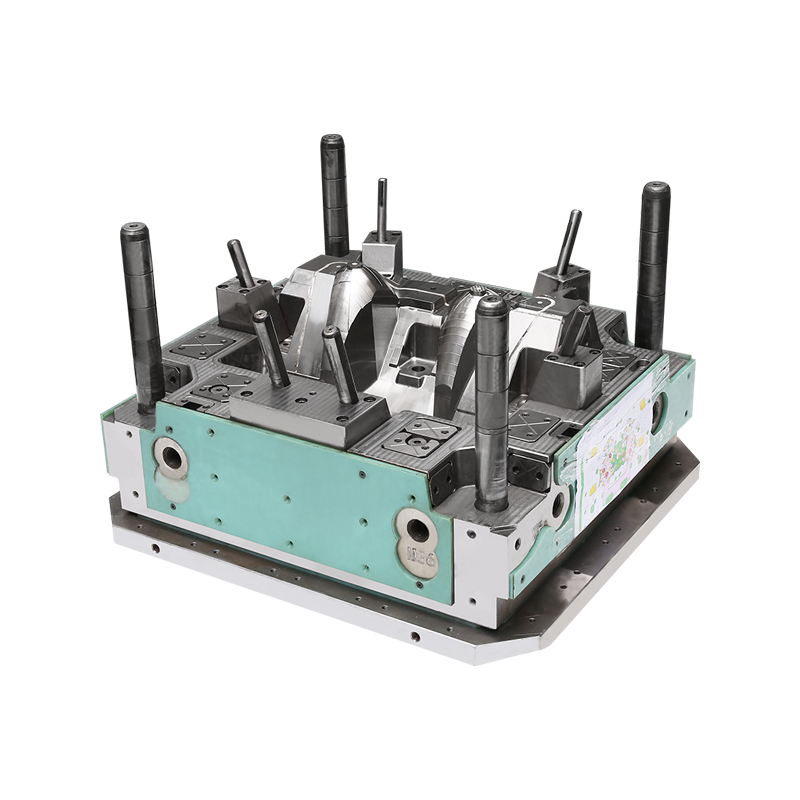
Custom plastic molding isn't the same as buying stock plastic components off a shelf. A custom plastic molding company builds tooling — molds — specifically designed around your part geometry, then uses those tools to produce components to your specifications. The mold itself is typically owned by the customer, though the company holds and operates it. Every dimension, every surface finish, every draft angle on the part comes back to how that mold was designed and how well it was built.
This distinction matters because it means the relationship with a custom molder starts well before any parts are produced. The design review stage, the material selection conversation, the tooling build — all of that happens before a single production shot is run. Companies that treat these early stages as overhead rather than as part of the core service tend to show it later, usually in the form of tooling revisions that could have been caught sooner.
The Main Processes on Offer
Injection molding is what many people picture when they hear "custom plastic molding company," and with good reason — it covers a wide range of part geometries, materials, and production volumes. Molten plastic is injected under pressure into a steel or aluminum mold, cooled, and ejected as a finished part. Cycle times are short, repeatability is high, and surface finish quality is controllable. It works for everything from small precision components to large structural panels.
Blow molding handles hollow parts — bottles, tanks, ducting — where injection molding's solid-fill approach doesn't apply. Rotational molding covers large, low-volume hollow shapes like storage containers or agricultural tanks, where the economics of an injection mold wouldn't make sense. Thermoforming is used for thin-walled parts where a heated plastic sheet is pressed or vacuumed over a form rather than injected into a cavity.
A company that only offers one of these processes isn't necessarily a weaker partner — specialization often produces better results than trying to cover everything. But knowing which process fits your part is something worth sorting out before you start collecting quotes.
Volume Thresholds and What They Mean for Tooling Choice
Tooling decisions are largely driven by volume projections, and getting this wrong in either direction carries real cost. A hardened steel mold built for high-volume production on a part that only ever runs ten thousand units is money spent unnecessarily. An aluminum prototype mold used for a part that ends up in production at half a million units per year will need to be replaced far sooner than planned, with all the qualification work that entails.
A custom plastic molding company worth working with will have this conversation with you directly, ask about your volume projections and part lifecycle, and recommend a tooling class based on that — not just on what's easiest to quote. It's a small thing. But it's the kind of small thing that tends to separate companies that think about your program from companies that are just filling an order.
Conclusion
Choosing a custom plastic molding company is rarely just about finding the quote. The real difference usually shows up later — in how smoothly production runs, how long the tooling lasts, and how many problems get solved before they become expensive. A good molding partner pays attention early, asks practical questions, and helps match the process to the actual needs of the part.