English
 中文简体
中文简体 русский
 Español
The Role of Automotive Injection Molding in Vehicle Manufacturing
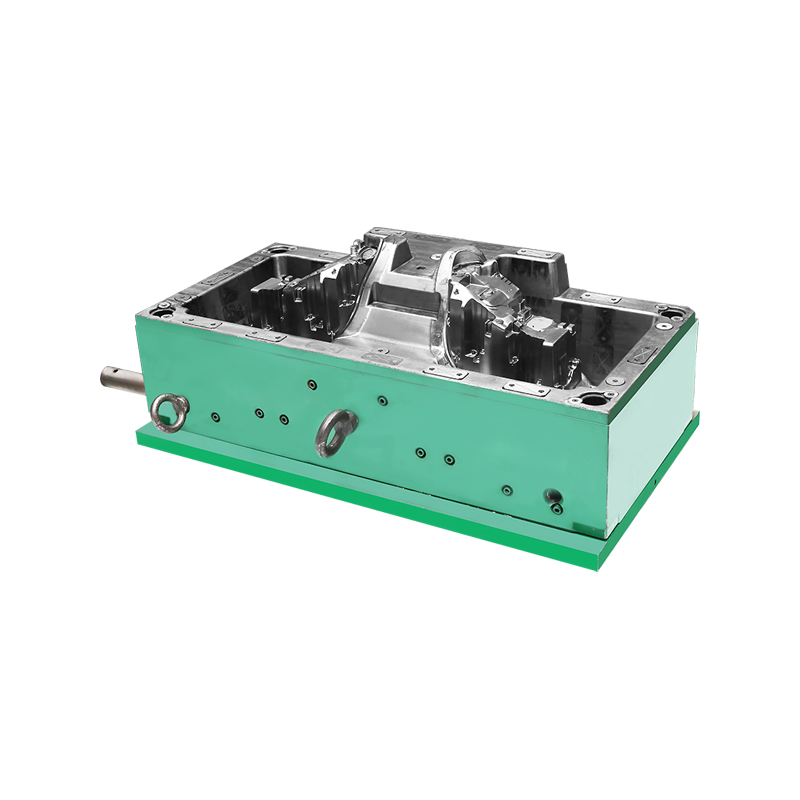
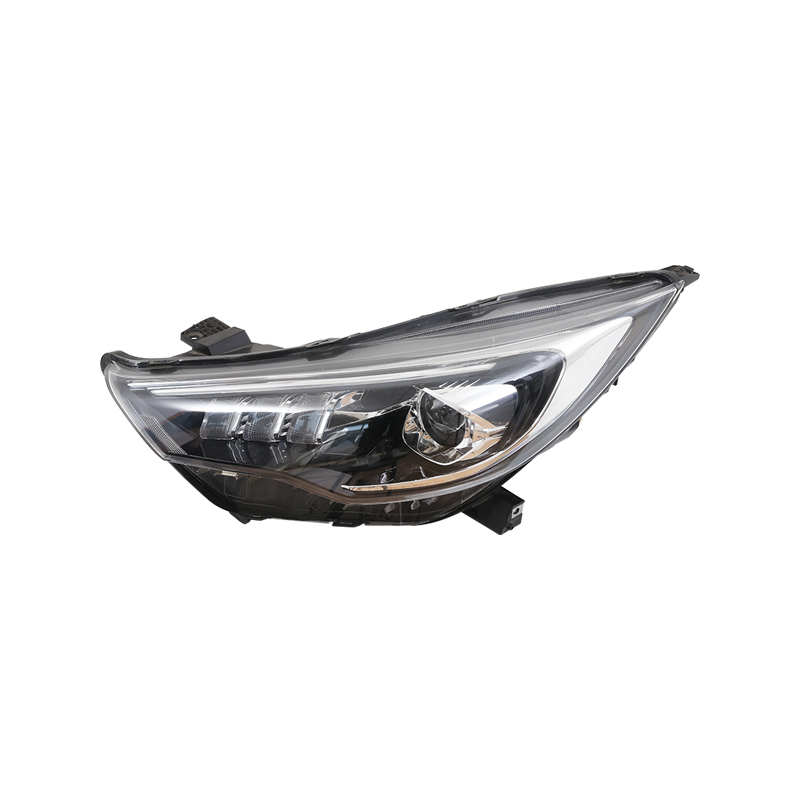
Automotive Injection Molding serves as a primary method for producing a wide range of car components, including dashboards, door panels, bumpers, and engine covers. This process allows manufacturers to create parts with precise shapes, consistent dimensions, and reliable mechanical performance. The approach integrates material science, engineering design, and machine operation, making it a central technique in modern vehicle assembly. High accuracy in molds and injection processes ensures that every component fits properly and functions as intended.
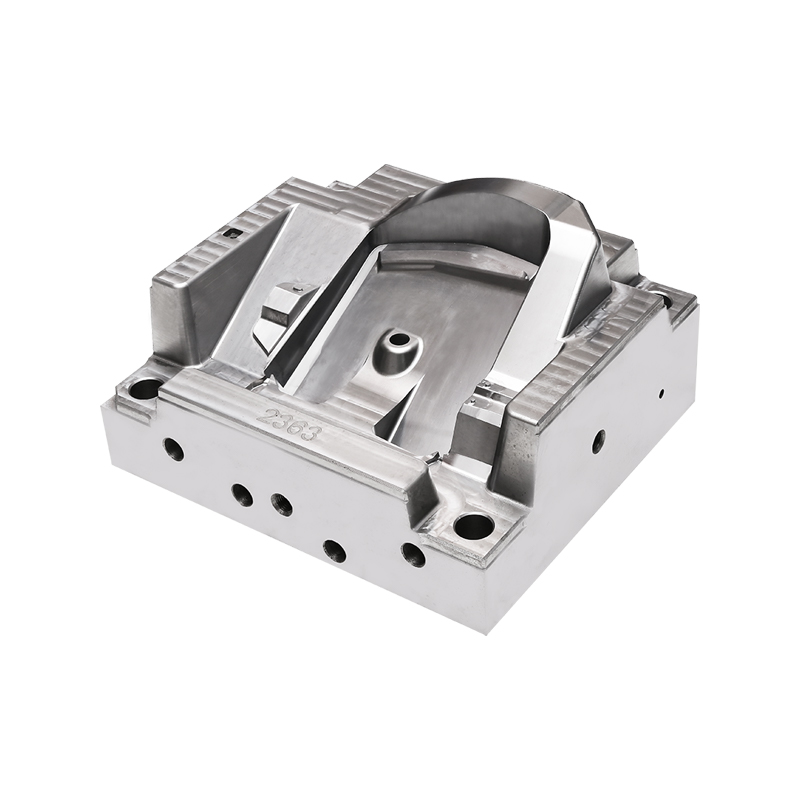
The process begins with the design of injection molds that define the shape and dimensions of each part. Engineers select materials capable of withstanding injection pressures, thermal cycles, and repeated production. Steel and aluminum alloys are commonly used to ensure durability and dimensional stability. The mold cavity design is carefully engineered to replicate the part’s shape, including complex geometries, ribs, and attachment points. Polished mold surfaces contribute to smooth finishes, improving both functionality and aesthetics.
Materials and Machine Operation
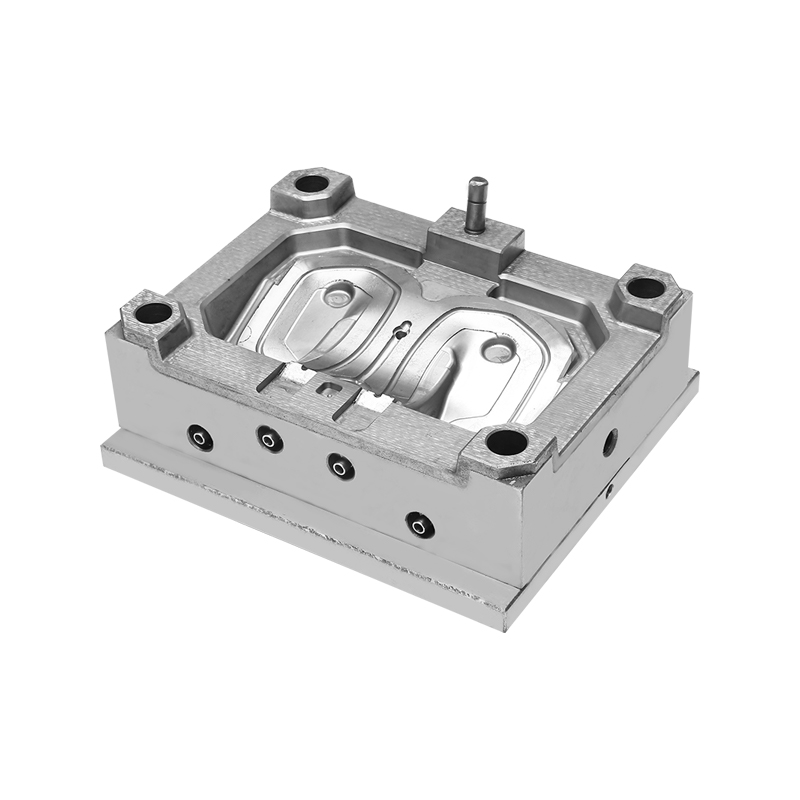
Materials used in Automotive Injection Molding include thermoplastics, composite resins, and specialized polymers. Each material requires specific temperature control, pressure settings, and flow rates to achieve consistent quality. Injection molding machines melt these materials and force them into the mold cavities. Flow paths are analyzed to ensure even distribution, preventing warping, air pockets, or uneven thickness. Multi-cavity molds can produce several components simultaneously, improving production efficiency while maintaining uniform quality.
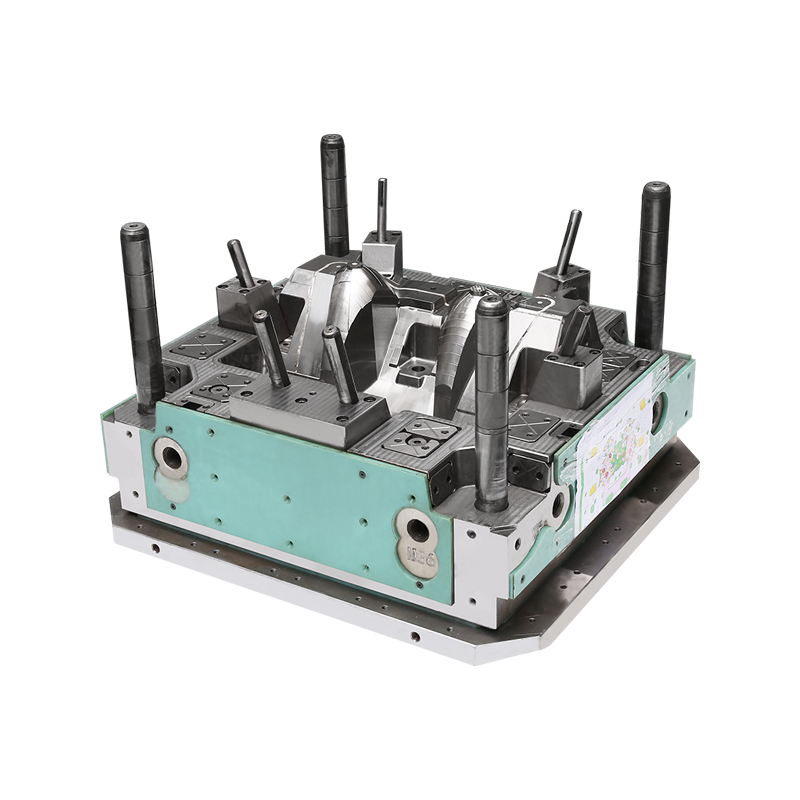
Machine operation involves precise timing and control. Cooling systems regulate solidification, reducing stress and preventing deformation. Ejection mechanisms remove finished components without damage. Sensors monitor temperature, pressure, and injection cycles to ensure each part meets production standards. Automation in these processes enhances reliability and consistency across high-volume production runs.
Design Considerations and Functional Features
Engineers must account for functional requirements when designing molds and components. Automotive Injection Molding often produces parts that integrate structural support, attachment features, and aesthetic surfaces. Ribs, channels, and mounting points are incorporated into the part design to provide rigidity and ease of assembly. Cooling channels within the mold regulate solidification, maintaining dimensional accuracy and mechanical strength. Careful analysis ensures that stress distribution is balanced, preventing warping or deformation during production. Attention to tolerances guarantees that each part fits precisely within the vehicle assembly.
Mold design also considers surface quality. Smooth surfaces reduce post-processing needs and enhance appearance. Fine details in the cavity allow for decorative textures or logos, contributing to brand identity. Adjustments in mold geometry accommodate variations in material flow, ensuring that even complex shapes fill completely without defects. Engineers may also incorporate draft angles and venting systems to improve part ejection and minimize surface imperfections, supporting consistent quality across all components produced.
Production Efficiency and Quality Assurance
Production efficiency depends on precise mold design, controlled material flow, and optimized cycle times. Engineers focus on repeatable processes that minimize variability between parts. Quality inspection ensures dimensional accuracy, surface finish, and mechanical performance. Robotic systems and automated sensors reduce human error, allowing consistent output and reliable integration into vehicle assembly.
High efficiency and accuracy in Automotive Injection Molding support large-scale production while maintaining functional reliability. This process underpins the creation of durable, well-fitting components, combining engineering precision with material expertise. Integrating mold design, material selection, and controlled machine operation, Automotive Injection Molding continues to shape the manufacturing of diverse automotive parts, maintaining consistent quality and performance.