English
 中文简体
中文简体 русский
 Español
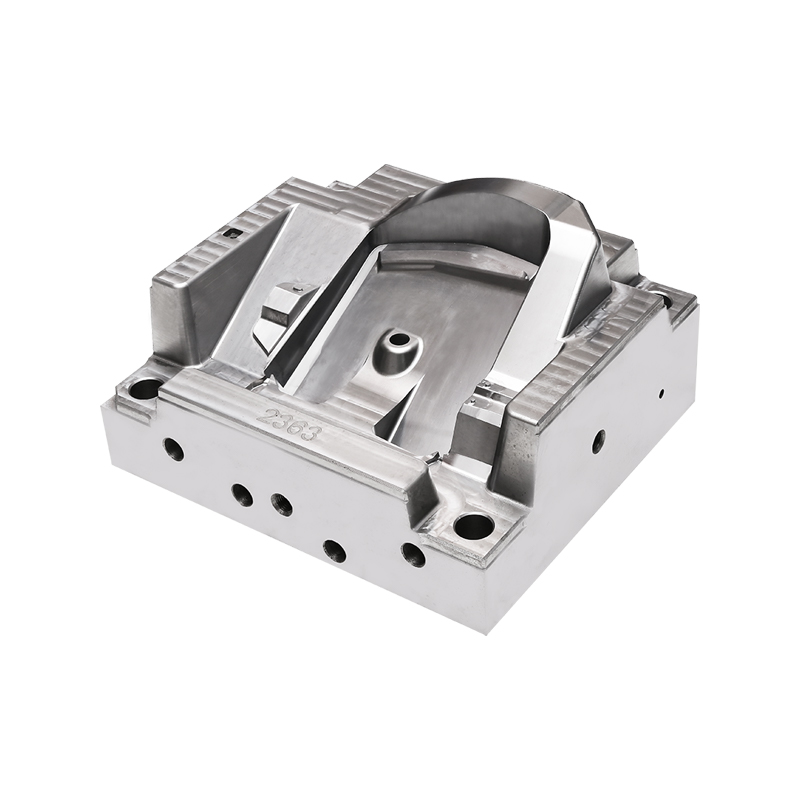
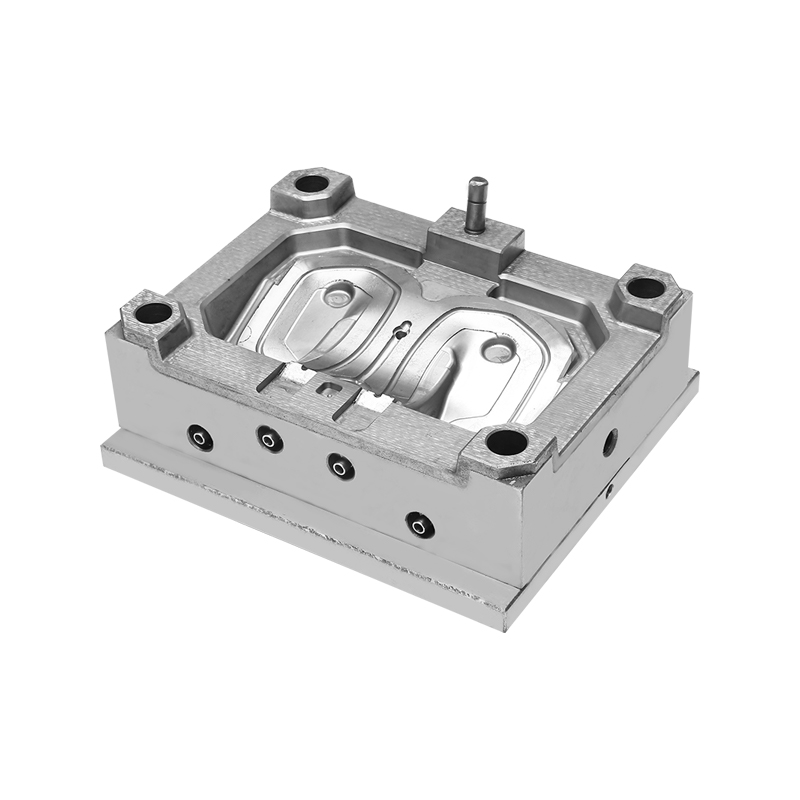
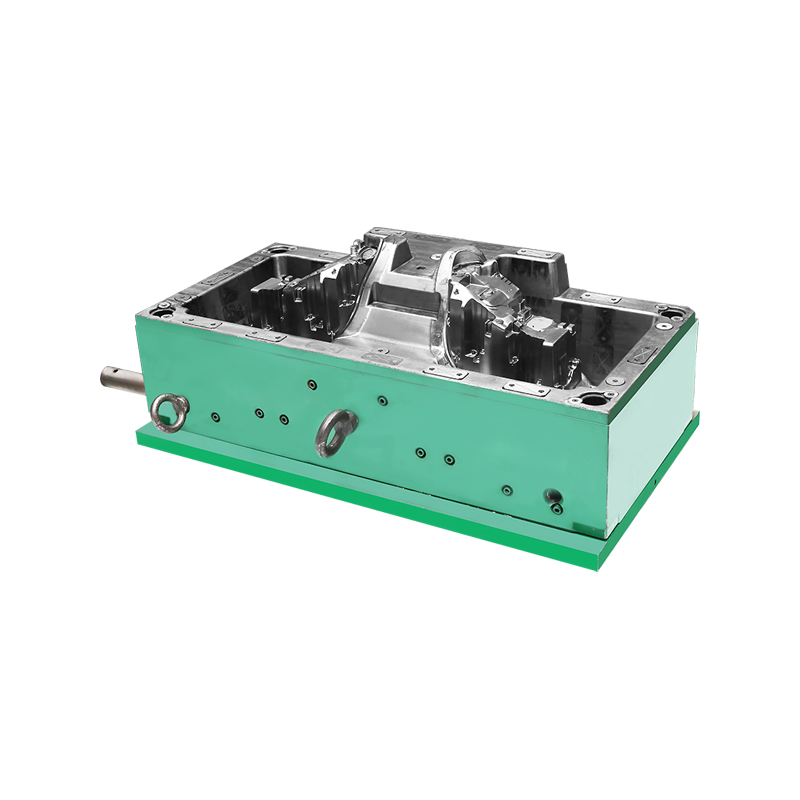
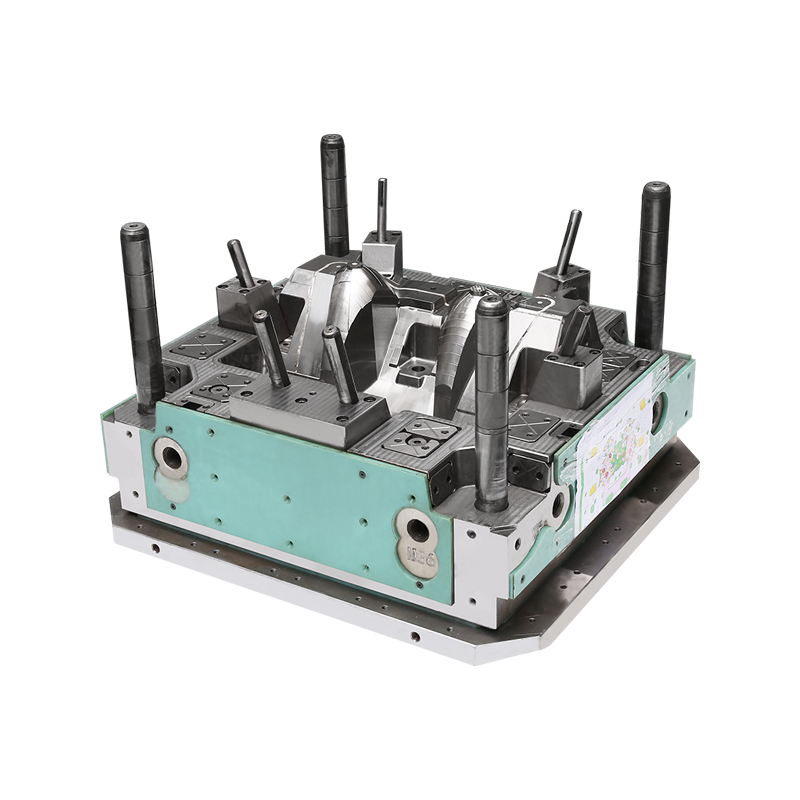
Automotive plastic injection moulding is a key manufacturing process that has transformed the production of plastic components in the automotive industry. This technique involves injecting molten plastic into a mold cavity to create a wide range of parts used in vehicles, from interior components to functional exterior parts.
One of the primary benefits of automotive plastic injection moulding is its ability to produce complex parts with precision and consistency. The automotive industry demands high-quality components that not only meet performance standards but also adhere to safety regulations. Plastic injection moulding provides a reliable solution for manufacturing these components, offering flexibility in design while maintaining strict quality control. Parts such as dashboards, door panels, bumpers, and engine covers can be produced with high accuracy, ensuring they fit seamlessly into the vehicle assembly process.
Plastic injection moulding offers several advantages over other manufacturing techniques. First, it allows for the production of parts with complex geometries that would be difficult or impossible to create using traditional methods. The use of plastic also makes it possible to produce lightweight components, which is crucial for improving fuel efficiency in vehicles. The lightweight nature of plastic parts helps reduce the overall weight of the vehicle, contributing to better fuel economy and lower emissions, which are key goals in the automotive industry’s shift towards sustainability.
Another significant advantage of automotive plastic injection moulding is its efficiency. Once the initial mold is created, it can be used to produce large quantities of identical parts at a high rate, making it ideal for mass production. This process not only reduces labor costs but also minimizes material waste, which is a major consideration in the automotive industry’s focus on sustainability. The ability to produce large volumes of parts quickly and cost-effectively makes plastic injection moulding an attractive option for automakers, especially in an era where time-to-market and cost control are critical.
In addition to efficiency, plastic injection moulding provides design flexibility, allowing manufacturers to produce parts with different colors, textures, and finishes. For example, the automotive industry can use injection moulding to produce parts with various surface textures, from matte finishes to glossy surfaces, enhancing the aesthetic appeal of vehicles. Customization options are particularly valuable for car manufacturers looking to differentiate their models and meet consumer demands for personalized features.
The role of automotive plastic injection moulding in sustainability cannot be overlooked. As the automotive industry increasingly shifts toward electric and hybrid vehicles, there is growing demand for lightweight, eco-friendly materials. Plastic injection moulding enables the use of recyclable materials such as polypropylene and polyethylene, helping manufacturers reduce their environmental footprint. The ability to produce durable parts that require fewer resources and less energy during production supports the automotive industry's sustainability goals.
The adoption of advanced technologies, such as robotics, artificial intelligence, and automation, is further enhancing the capabilities of automotive plastic injection moulding. These technologies help streamline the production process, improve precision, and reduce times. Automakers can now produce parts more quickly and with greater accuracy, ensuring that they meet the ever-evolving needs of consumers while keeping costs down.
In conclusion, automotive plastic injection moulding is a vital process that continues to shape the future of the automotive industry. Its ability to produce high-quality,complex, and lightweight components at scale makes it an essential tool for automakers. The industry focuses on efficiency, sustainability, and innovation, and the role of plastic injection moulding will only grow, contributing to the development of safer, more fuel-efficient, and environmentally friendly vehicles.