English
 中文简体
中文简体 русский
 Español
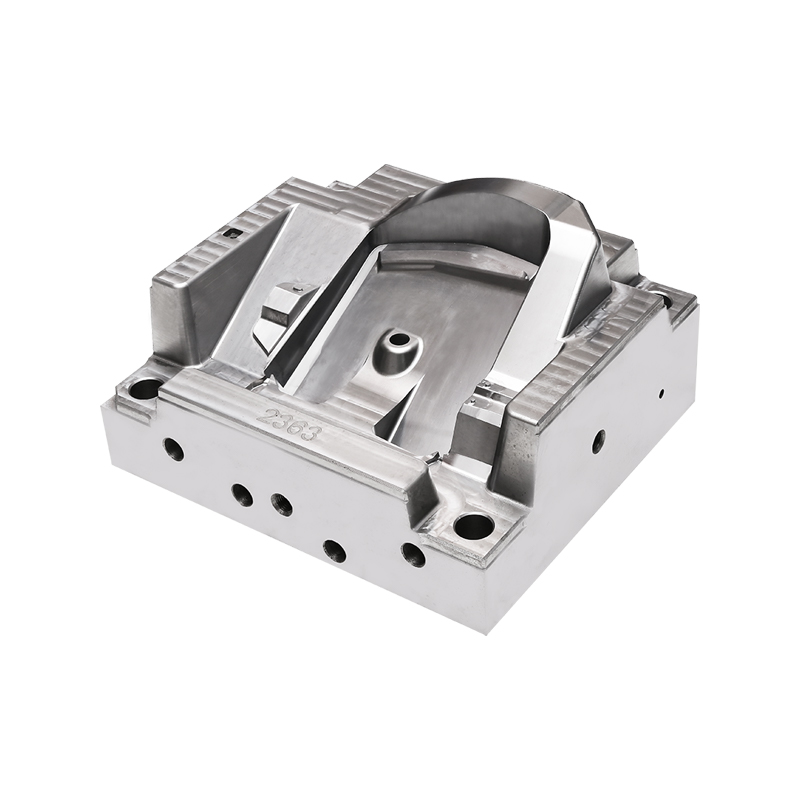
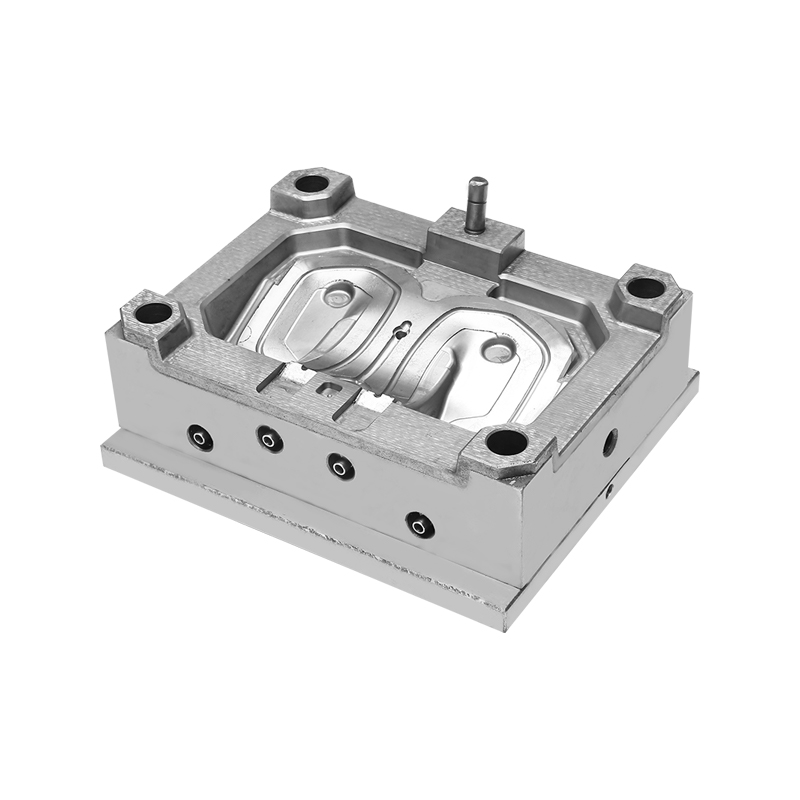
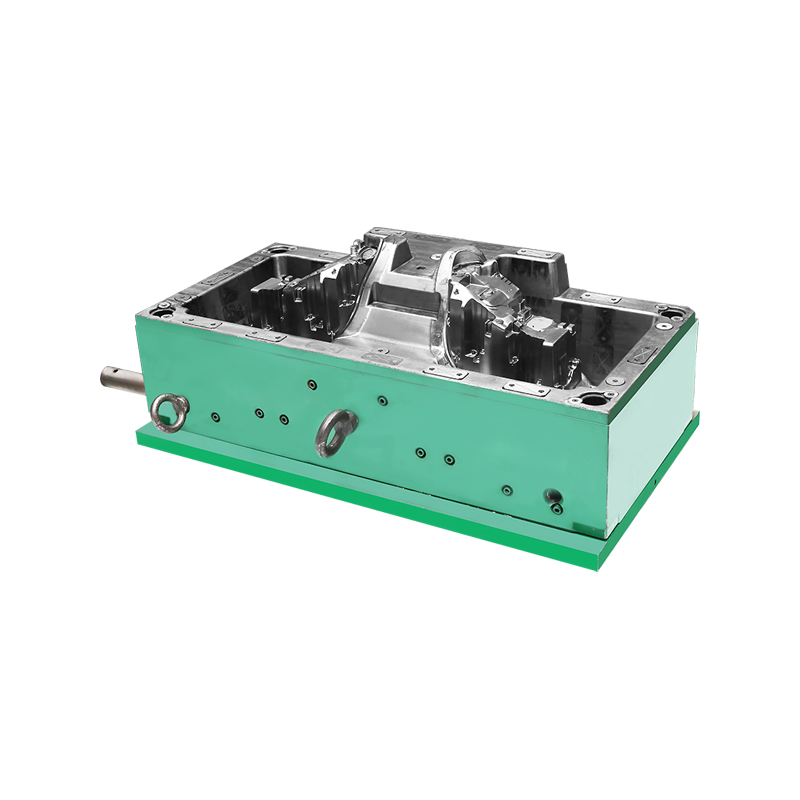
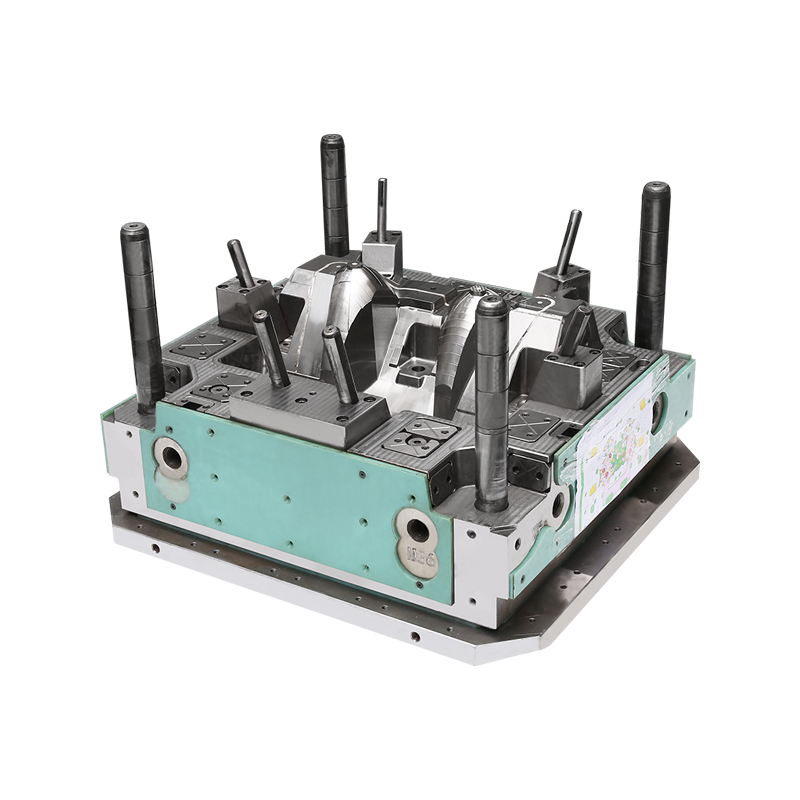
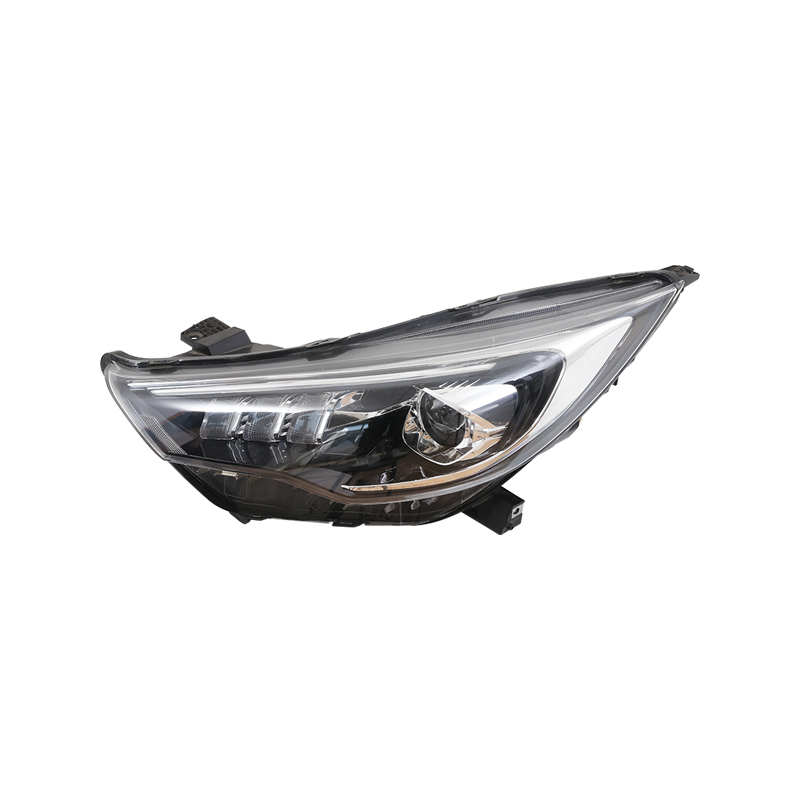
Car part moulding is a fundamental process in the production of automotive components, and it involves shaping materials into parts that make up various sections of a vehicle. This process is essential in the creation of both interior and exterior car parts. Car part molds are widely used for parts such as bumpers, dashboards, door handles, and under-the-hood components, making them an integral part of vehicle manufacturing.
Car part moulding involves the use of various materials, including metals, rubbers, and plastics. Among these, plastic is the commonly used due to its unique combination of light weight, strength, and cost-effectiveness. The moulding process typically includes injecting molten plastic into a metal mold, where it solidifies and takes the shape of the mold. The resulting part is then removed from the mold and inspected for quality before being incorporated into the final vehicle assembly.
One of the primary advantages of car part moulding is its ability to produce large volumes of parts quickly and efficiently. Once the mould is created, it can be used repeatedly to manufacture identical parts, which helps reduce manufacturing costs. This makes the process particularly cost-effective for mass production of car components. Because the moulding process is highly automated, it can produce complex parts with high precision, ensuring that they meet the required specifications for fit and function.
The use of moulded plastic parts also contributes to weight reduction in vehicles. Lighter cars consume less fuel and emit fewer greenhouse gases, which is a key factor in the automotive industry’s shift towards more environmentally friendly vehicles. Plastic car parts are not only lighter than their metal counterparts but also offer resistance to corrosion, which helps improve the longevity of the parts and reduce maintenance costs for consumers.
Car part moulds can be tailored to meet the specific needs of each part. For example, parts that need to withstand higher temperatures or exposure to chemicals can be produced using specialized plastic compounds that offer enhanced heat resistance and durability. Similarly, components that are exposed to UV light, such as exterior parts, can be made from UV-resistant plastics, ensuring that the parts retain their color and structural integrity over time.
However, as with any manufacturing process, there are certain challenges associated with car part moulding. The initial costs of designing and producing the moulds can be high, which can be a barrier for smaller manufacturers. While plastic components are highly versatile, they may not always provide the same level of strength or performance as metal parts in high-stress areas.
Despite these challenges, the benefits of car part moulding make it a vital part of the automotive manufacturing process. Automotive manufacturers continue focusing on producing more fuel-efficient and environmentally friendly vehicles, to a likely increase in demand for lightweight, durable, and cost-effective plastic parts. The evolution of new materials and production techniques will further enhance the capabilities of car part moulding, offering manufacturers even more flexibility in part design and production.
In conclusion, car part moulding is a key process in automotive manufacturing, offering numerous benefits in terms of cost, efficiency, and performance. The automotive industry continues to innovate and adapt to new environmental and performance standards, making the role of car part moulds crucial in meeting these challenges. The future of car part moulding lies in advancements in material science, moulding technology, and sustainable production methods, ensuring that it continues to be a central aspect of automotive manufacturing for years to come.