English
 中文简体
中文简体 русский
 Español
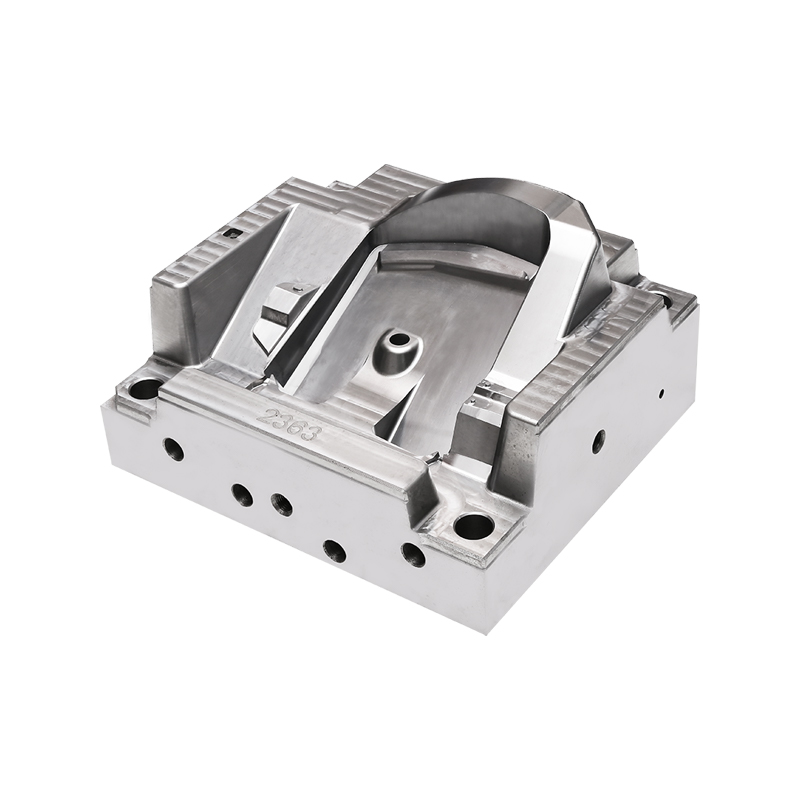
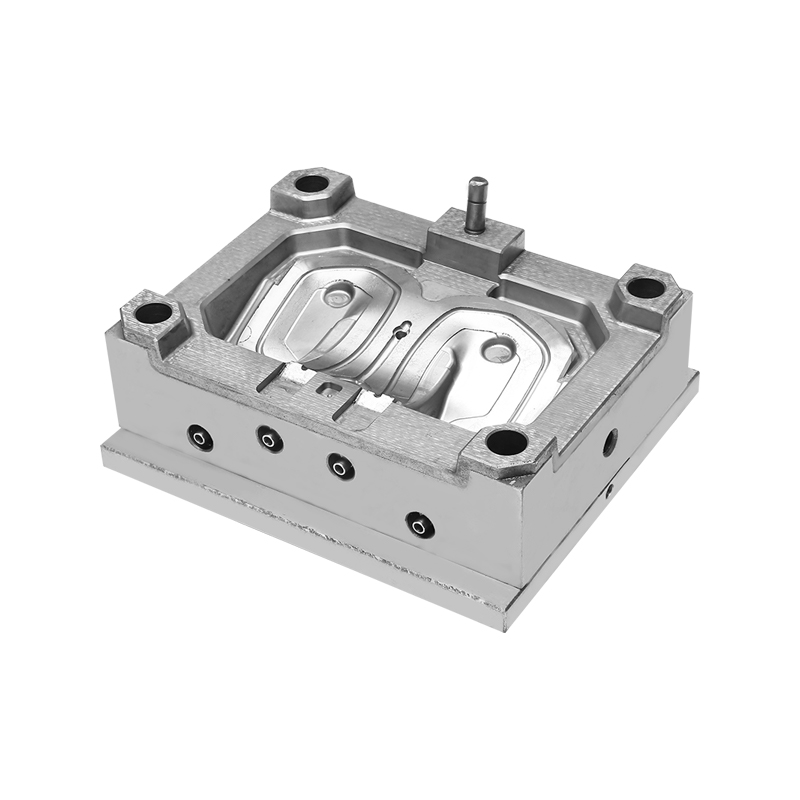
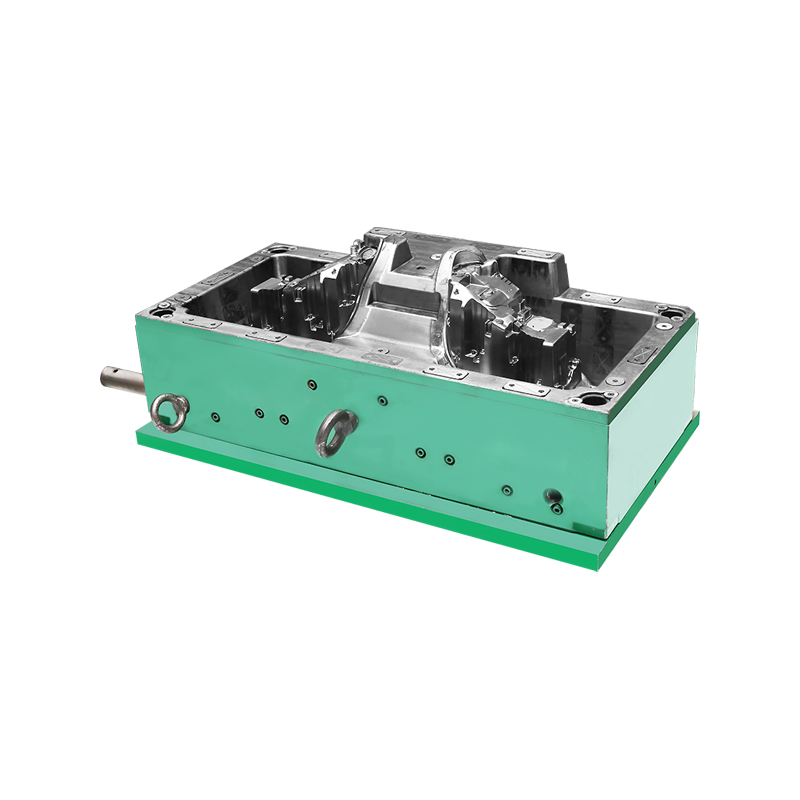
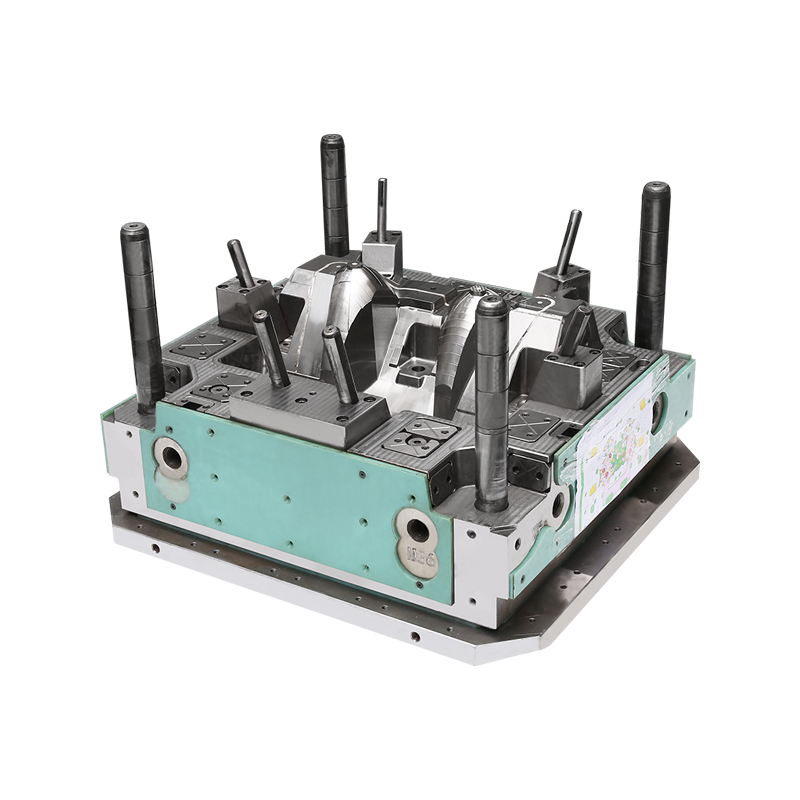
In the world of molding, thermoplastics usually steal the spotlight. But ask anyone who works with thermosets, and they will point to a different hero: the BMC mold. This rugged tooling turns a chalky, fiber-filled compound into parts that shrug off heat, electricity, and years of hard use.
What Exactly Is BMC?
BMC stands for bulk molding compound — a dough-like mixture of resin, glass fibers, and mineral fillers. Unlike thermoplastic pellets that melt and remelt, BMC cures permanently in the heat of a mold. Once set, the material holds its shape through temperatures and conditions that would soften ordinary plastics.
That behavior shapes everything about the tooling. A BMC mold must withstand high clamping pressures, elevated cavity temperatures, and abrasive filler material that slowly wears away anything less than hardened steel.
Built From Serious Steel
Makers choose hardened, wear-resistant steels for a BMC mold because the compound acts like gentle sandpaper on every shot. Cavities receive coatings or surface treatments that extend tooling life, and moving parts run on guided systems that keep alignment true through millions of cycles.
The mold base itself carries extra mass. Heavier steel helps hold temperature steady, which matters enormously when curing depends on consistent heat from shot to shot.
Heat Shapes Every Step
Working with a BMC mold means living with heat. Cavity surfaces run hot enough to trigger the chemical cure, and plates carry channels that circulate oil or electricity to hold precise temperatures. Technicians watch thermocouples closely, because a few degrees of drift changes how the compound flows and cures.
Cooling happens too, but in a different way than thermoplastics. After curing, parts need to drop to a safe handling temperature before ejection. The timing balance — hot enough to cure fully, cool enough to release cleanly — keeps operators constantly adjusting.
Compression, Transfer, or Injection
Three distinct processes call on a BMC mold. Compression molding places a measured charge of compound into an open cavity, then closes the mold and lets heat and pressure do the work. Transfer molding pushes heated compound through runners into closed cavities. Injection molding feeds the material through a screw, much like thermoplastic processing but with hotter tooling.
Each style suits different parts. Large electrical housings often favor compression, while intricate components with tight tolerances lean toward injection.
Where BMC Parts Show Up
Look around, and BMC-made objects appear in surprising places. Electrical switchgear, motor housings, and fuse boxes rely on the material's insulation and heat resistance. Automotive under-hood components endure constant vibration and temperature swings. Appliance bases and control panels benefit from the material's rigidity and flame-resistant character.
Streetlights, meter boxes, and circuit breaker housings all trace back to a BMC mold working steadily on a factory floor somewhere.
Why Shops Stick With It
Thermoset molding demands patience. Setup takes longer, cycle times run slower, and tooling costs more upfront than simple thermoplastic molds. Yet shops that master a BMC mold gain loyal customers, because the parts produced excel in conditions where other materials give up.
Electrical engineers specify BMC components for safety margins. Automotive designers choose them for durability. The mold makers, meanwhile, take quiet pride in tooling that produces parts outliving the machines that made them.
A Different Kind of Craft
The BMC mold belongs to a slower, steadier corner of the plastics world — one where chemistry and steel negotiate shot by shot. There are no flashy melting cycles or rapid cooling channels, just heat, pressure, and well-made tooling doing their job.
And somewhere right now, a BMC mold is closing on another charge of compound, starting another cure, producing another part ready to face heat, current, and time without flinching.