English
 中文简体
中文简体 русский
 Español
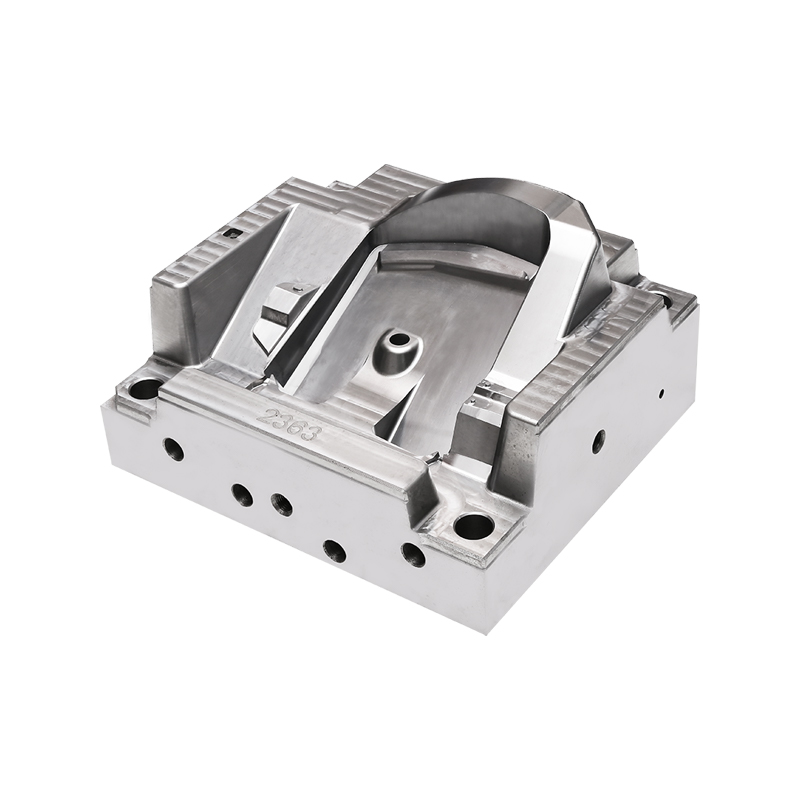
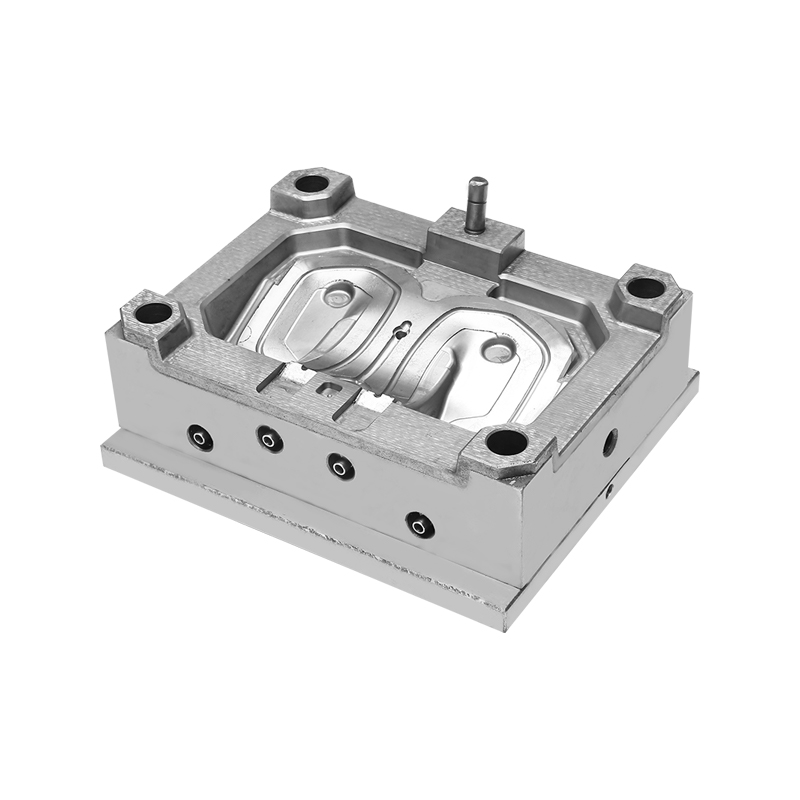
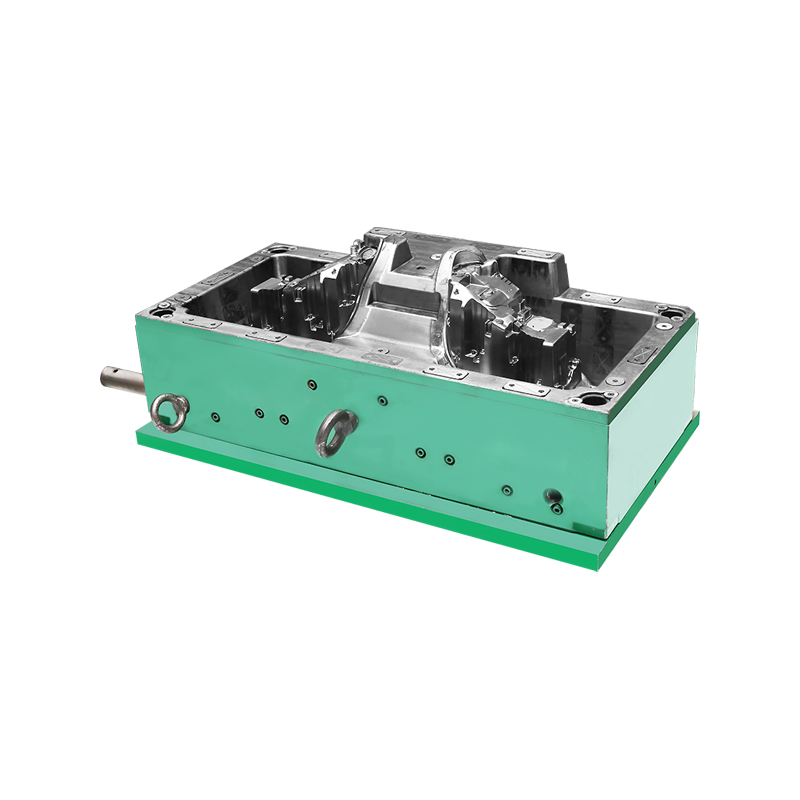
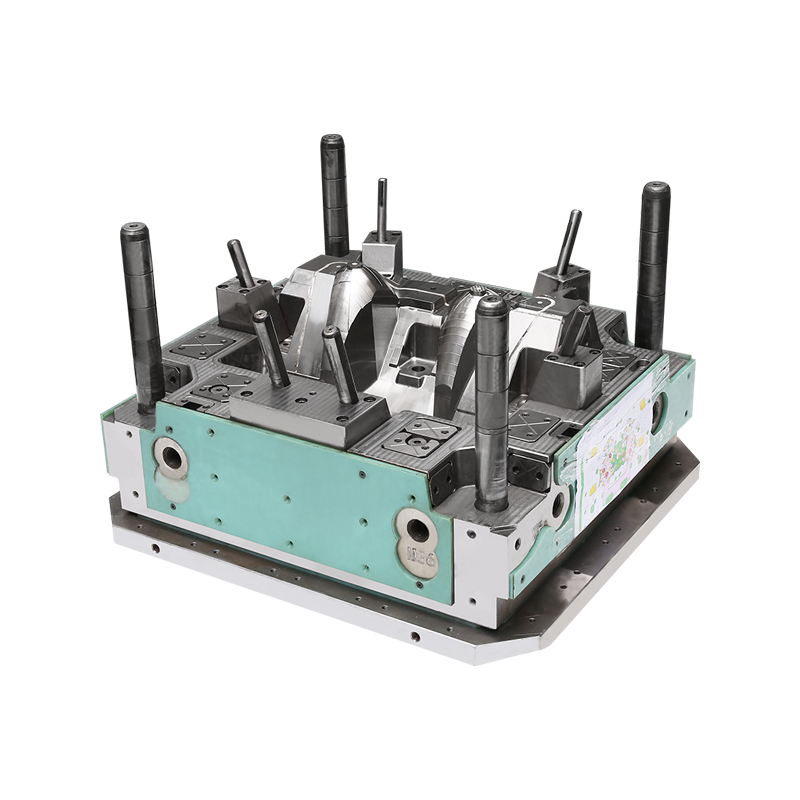
In the automotive manufacturing industry, lighting systems play a crucial role not only in safety but also in vehicle appearance. Behind every headlamp, tail lamp, or signal light, there is a precise tooling system known as the Auto Lamp Mould. This mould is responsible for shaping the plastic and optical components that form modern automotive lamps. Its accuracy directly influences the clarity, durability, and overall performance of lighting assemblies used in vehicles.
An Auto Lamp Mould is typically made from high-strength steel that can withstand repeated injection molding cycles under high temperature and pressure. The mould is engineered to produce complex optical surfaces, including reflective housings, lens covers, and detailed contour structures. These parts must meet strict dimensional requirements, as even minor deviations can affect light distribution or assembly alignment in the final product.
The production process begins with detailed digital modeling. Engineers design the lamp structure based on automotive requirements, ensuring that the mould can reproduce fine optical features such as light-guiding textures and reflective angles. Once the design is finalized, CNC machining and precision engraving techniques are used to create the mould cavity. Electrical discharge machining may also be applied to form intricate details that are difficult to achieve through standard cutting tools.
During injection molding, molten plastic is injected into the Auto Lamp Mould under controlled pressure. Materials commonly used include polycarbonate and PMMA, which offer clarity and resistance to heat and environmental exposure. After cooling, the molded parts are removed and undergo surface inspection to ensure uniformity. This process is repeated continuously in mass production environments, making mould durability an important factor in long-term manufacturing efficiency.
One of the key considerations in Auto Lamp Mould design is optical precision. Automotive lamps are not only functional but also contribute to vehicle styling. Light distribution patterns must be carefully controlled to ensure proper road illumination and signal visibility. This requires precise mould geometry, especially in areas that guide or diffuse light. Engineers often simulate light behavior digitally before finalizing the mould structure.
Surface finish quality is another important aspect. The interior surfaces of the Auto Lamp Mould are polished or textured depending on the desired optical effect. A smooth surface may be used for clear lens sections, while micro-textures help control glare or scatter light in specific directions. Maintaining consistency in surface quality helps ensure that every produced lamp meets design expectations.
In modern automotive manufacturing, Auto Lamp Mould systems are increasingly integrated with advanced production technologies. Temperature control channels are embedded within the mould to stabilize cooling rates and reduce deformation. This improves dimensional accuracy and shortens cycle times. Some moulds also include modular inserts, allowing manufacturers to adapt designs for different vehicle models without producing entirely new mould systems.
Durability is a key requirement in mould engineering. Since automotive lighting components are produced in large quantities, the mould must maintain performance over long production cycles. Wear-resistant coatings and hardened steel materials are commonly used to extend service life. Regular maintenance, including cleaning and surface inspection, helps preserve mould accuracy and reduce production interruptions.
The Auto Lamp Mould serves as a fundamental part of automotive lighting production. It bridges design concepts and physical components, ensuring that vehicle lighting systems perform reliably and maintain visual consistency.