English
 中文简体
中文简体 русский
 Español
Automotive Injection Molding in Vehicle Part Production
Automotive injection molding is a manufacturing process used to produce plastic components for vehicles. The method involves heating plastic pellets until they become molten, then injecting the material into a steel mould under pressure. Once cooled, the plastic solidifies into the shape of the mould cavity. This technique supports the creation of parts with various sizes and complexities for car interiors and exteriors. Factories apply automotive injection molding across multiple stages of vehicle assembly supply chains.
The process allows for repeated production of identical parts with consistent dimensions. Manufacturers rely on it to generate items that fit precisely into larger vehicle systems. Automotive injection molding operates through coordinated machine cycles that include material melting, injection, cooling, and part ejection.
Companies Involved in Automotive Injection Molding
Companies that perform automotive injection molding run dedicated production facilities equipped with rows of injection machines. These organizations manage the flow of raw plastic materials from delivery to finished part output. Teams handle scheduling to align production volumes with demands from vehicle assembly plants. The facilities include areas for mould storage and machine setup between different jobs.
Staff members monitor machine parameters such as temperature, pressure, and cycle time during operation. Companies coordinate with material suppliers to obtain resin types suitable for automotive applications. Production lines often run multiple shifts to maintain output levels. This setup supports the delivery of plastic components in batches ready for further vehicle manufacturing steps.
Products Made Through Automotive Injection Molding
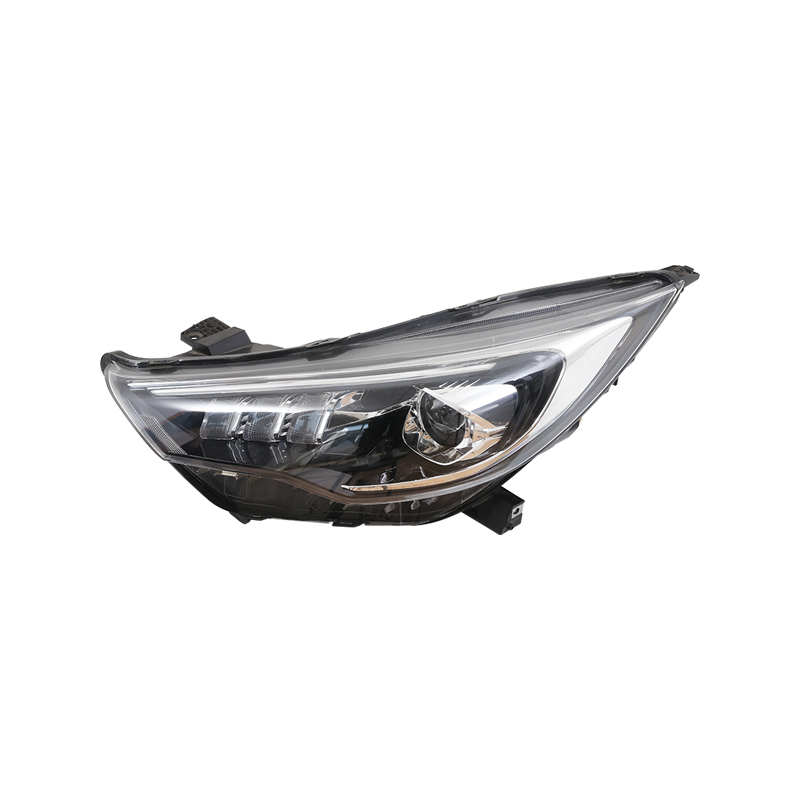
Products created by automotive injection molding cover a wide range of vehicle parts. Interior components include door panels, center consoles, air vents, and instrument cluster housings. Exterior parts produced this way include bumper fascias, mirror housings, and wheel arch liners. Under-the-hood items such as battery trays and fluid reservoirs also come from the process.
These moulded parts feature integrated mounting features and surface textures that match design requirements. Automotive injection molding generates components in different colors through the use of pre-colored resins or later painting. The parts arrive at assembly lines packed in protective packaging to prevent damage during transport. Manufacturers produce these items in quantities that support ongoing vehicle production schedules.
The Process Steps in Automotive Injection Molding
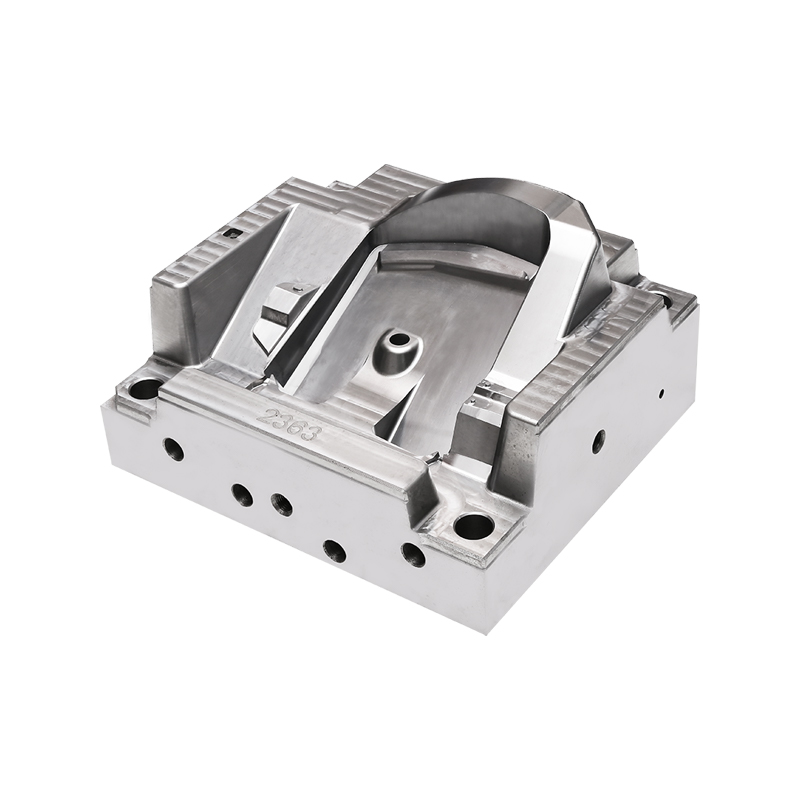
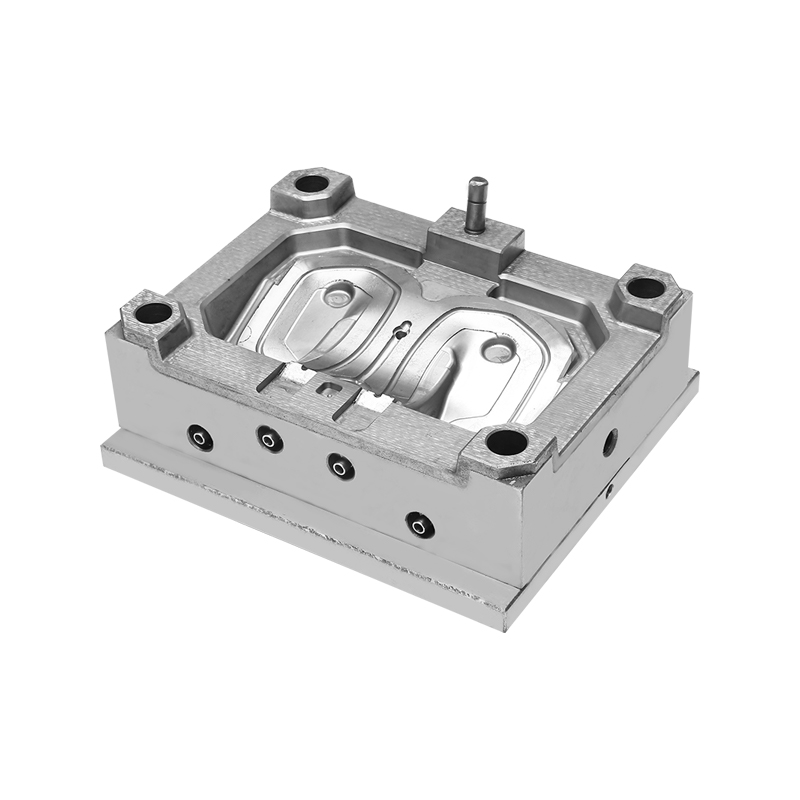
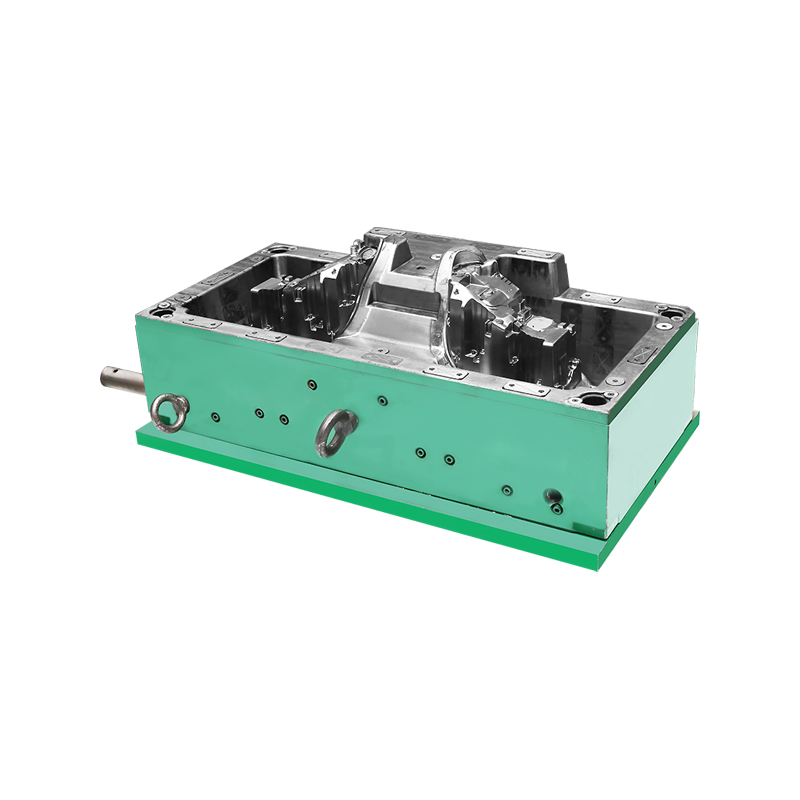
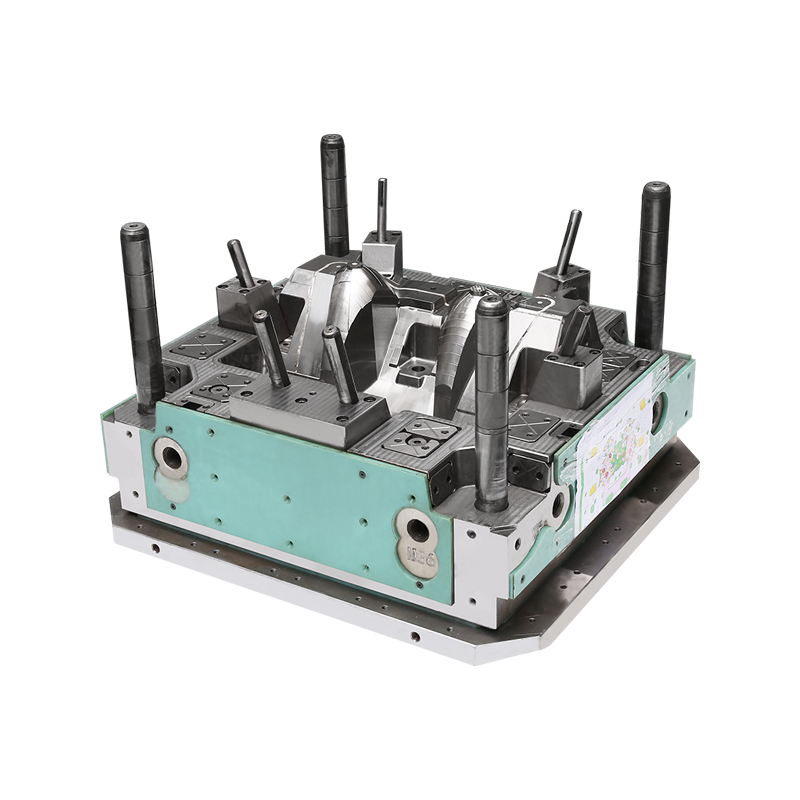
The automotive injection molding process starts with drying plastic pellets to remove any moisture. The dried material then enters the hopper of an injection moulding machine where a heated barrel melts it into a viscous liquid. A rotating screw pushes the molten plastic forward and injects it into a closed mould at high pressure.
After injection, cooling channels in the mould extract heat so the plastic hardens into its final shape. The mould then opens and ejector pins push the solidified part out. Operators or robotic systems remove the part and sometimes separate any attached runner material. The cycle repeats as the mould closes for the next shot.
Quality and Consistency in Automotive Injection Molding
During automotive injection molding, operators check parts after ejection for dimensional accuracy and surface appearance. Adjustments to injection speed, pressure, or temperature occur when measurements fall outside set ranges. The process generates data logs for each cycle to support traceability in production records.
Multiple machines often run in parallel with similar or different moulds to meet volume needs. The repetitive nature of the cycles allows for steady output of components that match vehicle specifications. Automotive injection molding forms an essential part of the supply chain by delivering plastic parts in the quantities and quality levels required for car manufacturing.