English
 中文简体
中文简体 русский
 Español
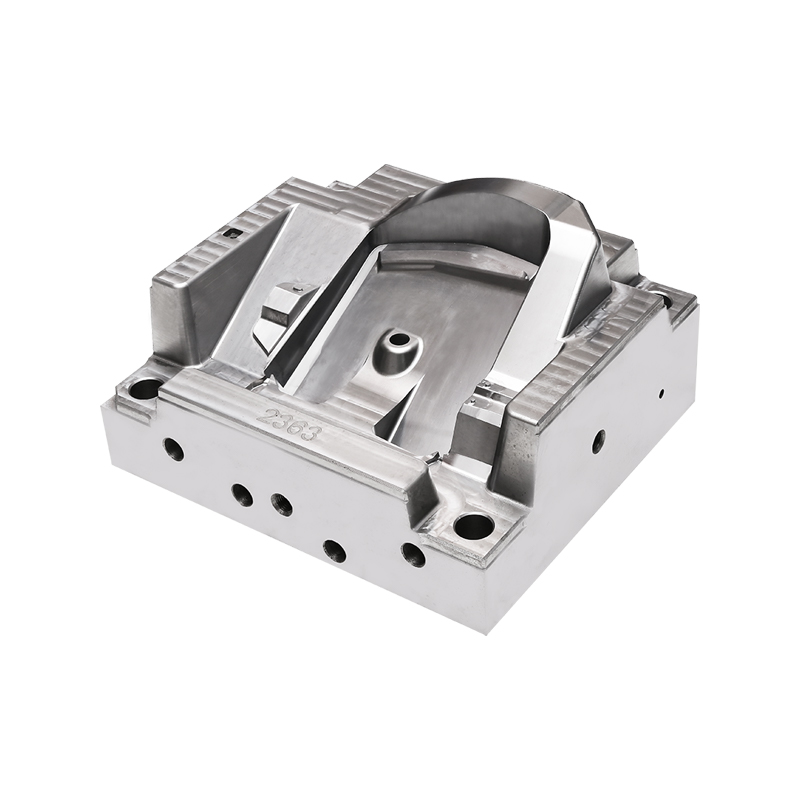
A car part mold serves as the backbone of automotive component manufacturing, giving shape to everything from interior trim pieces to structural brackets hidden beneath the body panels. Every mold is engineered around the specific geometry of the part it produces, which means tooling teams spend considerable time studying draft angles, wall thickness, and material shrinkage before a single cavity is cut into steel.
Inside The Engineering Of Car Part Mold Systems
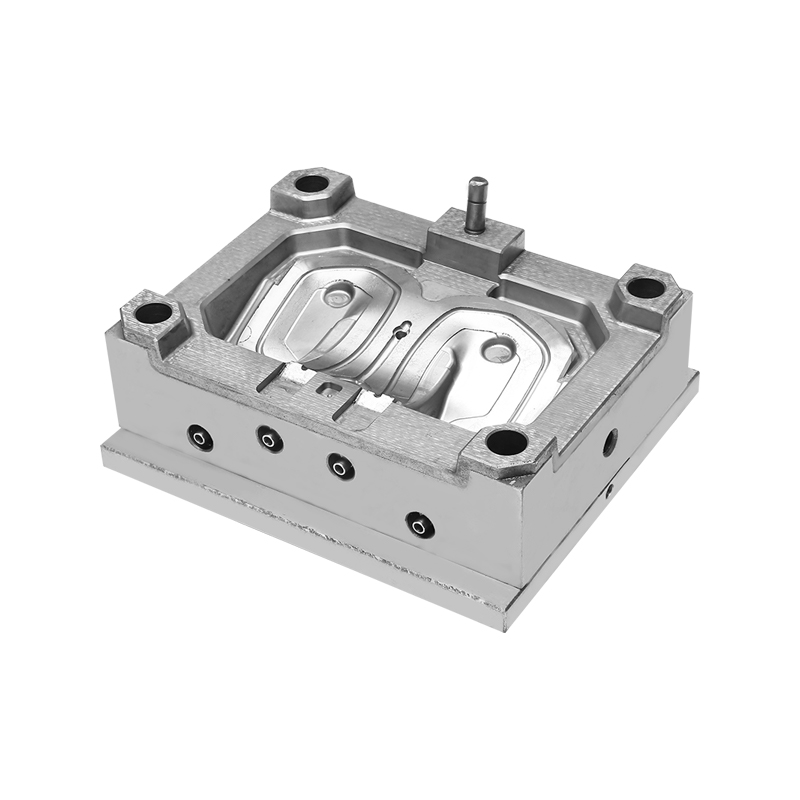
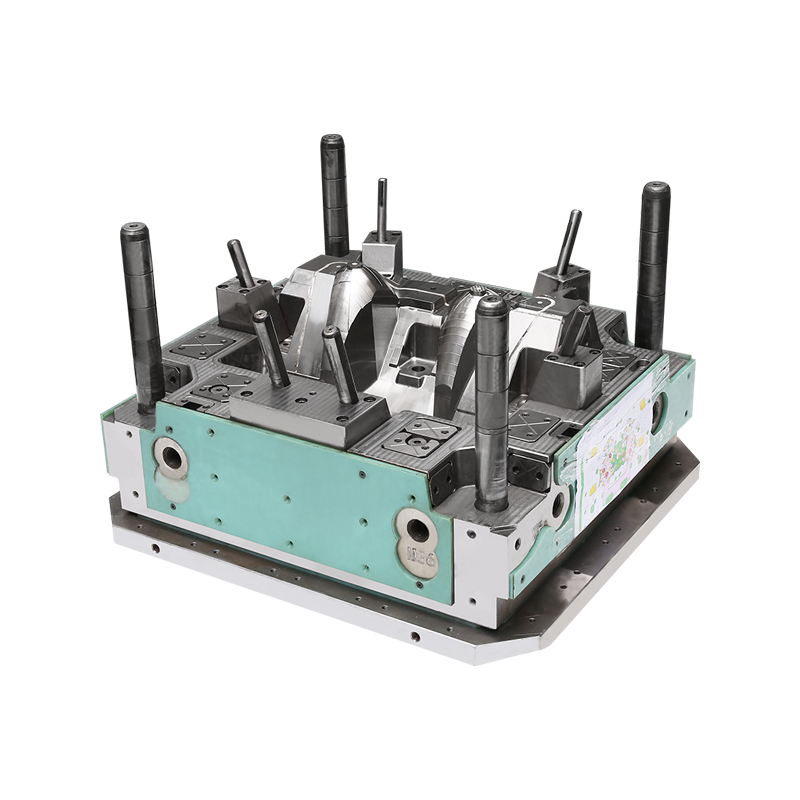
The internal architecture of a car part mold typically includes a core and cavity set, along with cooling channels, ejector pins, and runner systems that guide molten material into place. For plastic components, injection molds dominate the landscape, while die casting molds are more common for aluminum or zinc parts like brackets and housings. Each approach demands different tooling considerations, from gate placement to venting.
Cooling plays a particularly important role in cycle efficiency. Engineers position channels throughout the mold body so heat dissipates evenly across the part, reducing the risk of uneven shrinkage that could throw off critical dimensions. A few factors typically guide this layout:
- The thickness variation across different sections of the part
- The material being molded and its thermal conductivity
- The target cycle time set by the production line
Balancing these variables is central to how a car part mold gets engineered for both speed and dimensional accuracy across thousands of cycles.
Car Part Mold Types Vary By Component
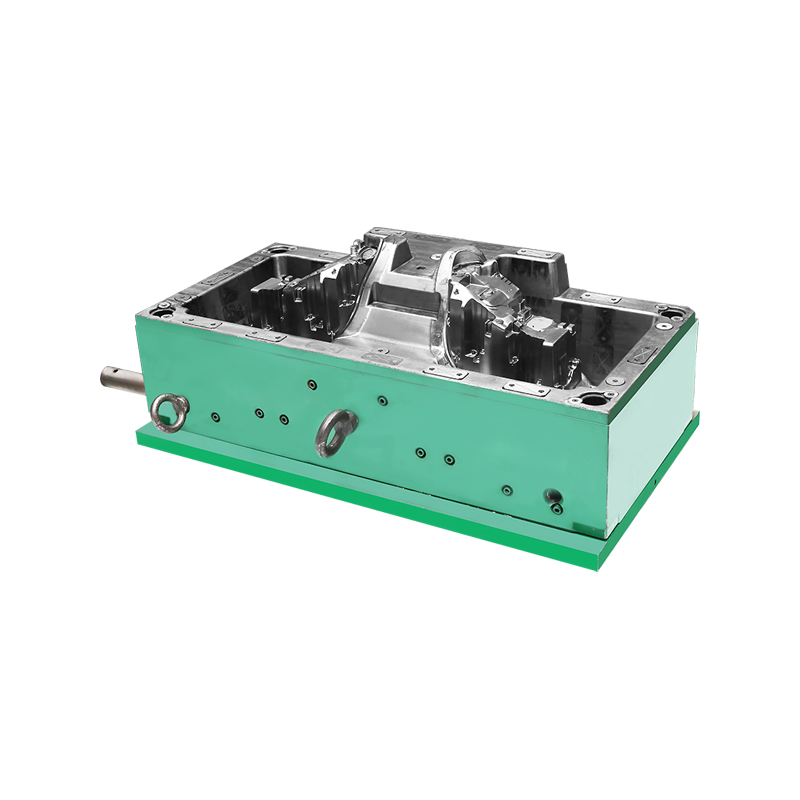
Not every automotive part calls for the same mold structure. Exterior panels like bumpers or fenders often require large, single-cavity molds capable of producing sizable parts with smooth surface finishes. Interior components, such as dashboard trim or door panels, frequently involve textured mold surfaces to achieve specific grain patterns or matte finishes that match the vehicle's interior design.
Smaller components, including clips, connectors, and brackets, are often produced using multi-cavity molds that allow several parts to form in a single cycle. This approach suits high-volume production runs where thousands of identical small parts are needed daily. Manufacturers building these mold systems weigh cavity count against machine clamping force, since packing too many cavities into one tool can strain the injection process and affect fill consistency.
Understanding Tooling Steel In Car Part Mold Production
The steel used to build a car part mold directly influences how long the tool can run before wear becomes noticeable. Hardened tool steels are typically selected for their resistance to abrasion, particularly when molding glass-filled plastics that can be more aggressive on cavity surfaces over repeated cycles. Softer steels sometimes work for shorter production runs or prototype tooling, where longevity matters less than turnaround speed.
Surface treatment also factors into steel selection. Some cavities receive polishing to achieve a glossy finish on visible parts, while others are textured through chemical etching to replicate leather grain or brushed metal appearances on interior trim. These treatments happen after the core machining process, once the mold's dimensional accuracy has already been verified.
Car Part Mold Systems Support Automotive Manufacturing
Across an assembly plant, dozens of different car part mold systems may run simultaneously, each dedicated to a specific component destined for the same vehicle platform. Coordinating this many molds requires careful scheduling, since parts from different tools need to arrive at the assembly line in sync to avoid production bottlenecks.
Tooling teams overseeing these systems typically track cycle consistency and part dimensions closely, since automotive assembly leaves little room for variation between individual components. This attention throughout the mold's operational life reflects how central a well-engineered car part mold is to keeping vehicle production running smoothly from tooling shop to final assembly.