English
 中文简体
中文简体 русский
 Español
Every plastic part that comes off a production line — a bottle cap, a dashboard panel, a housing for an electronic device — started as a block of steel and a set of drawings. Turning that block into a functioning mold is the job of a plastic injection mold maker, and the accuracy of that work determines how every single unit produced from it will look and fit.
Reading a Design Before Cutting Any Steel
The process rarely starts with a machine. It starts with a 3D model, usually handed over by a product designer or engineer, showing wall thickness, draft angles, and where parting lines will sit. A mold maker studies that file first, checking for details that might cause trouble later — thin sections prone to warping, undercuts that will need sliders or lifters, or tolerances so tight that standard tooling won't hold them consistently.
This review stage matters because a mold is expensive to modify once it's built. Catching a problem on screen costs a conversation; catching it after steel has been cut costs rework. Mold makers who've handled a wide range of part geometries tend to spot these issues faster, simply from having seen similar failure points before.
Cutting, Machining, and Assembling the Tool
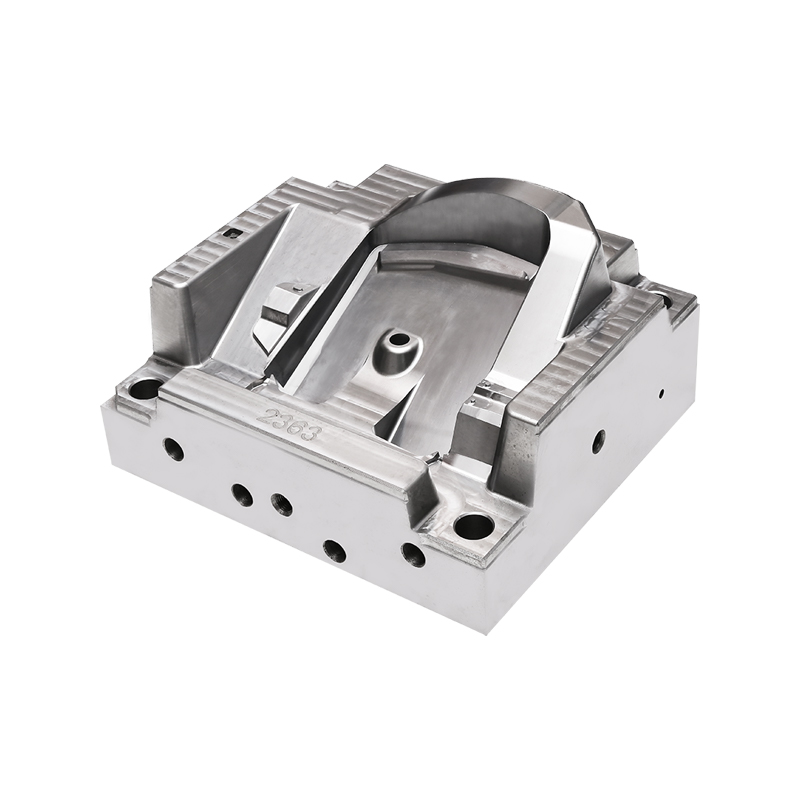
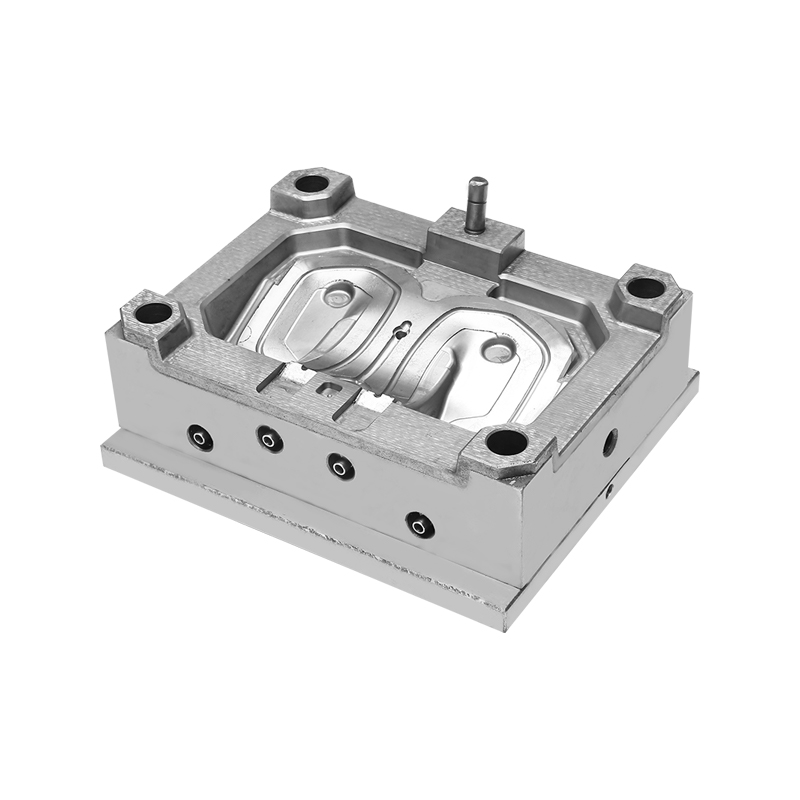
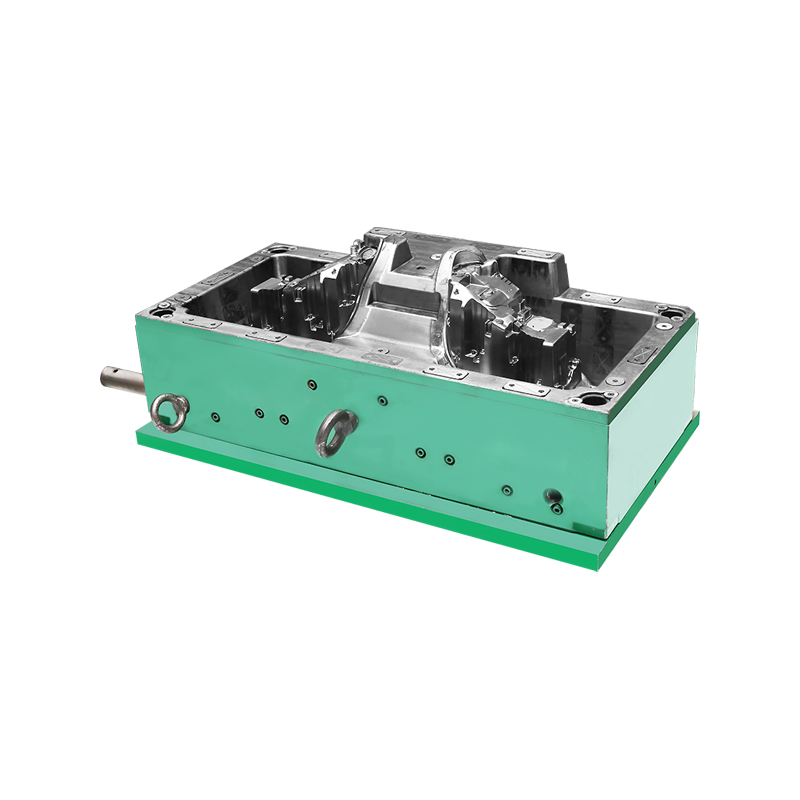
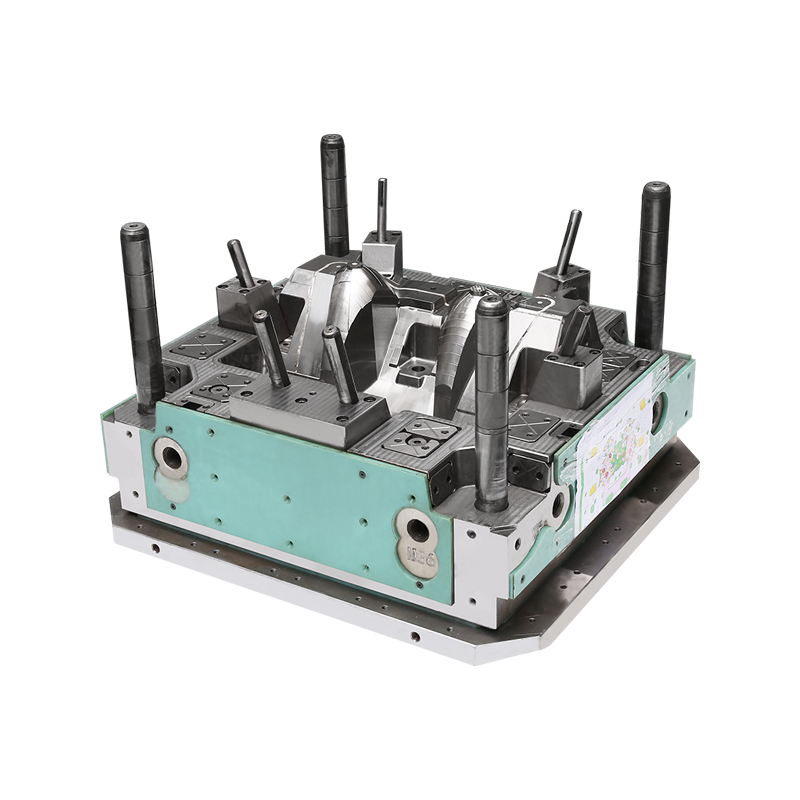
Once the design is confirmed, the actual toolmaking begins. Mold bases typically start as blocks of tool steel, selected based on how many cycles the mold needs to survive and how abrasive the plastic resin will be. From there, several processes come into play, often in combination:
- CNC machining for cavities, cores, and structural components
- EDM (electrical discharge machining) for fine detail work and sharp internal corners that cutting tools can't reach
- Grinding and polishing to bring surfaces to the finish the final part requires
- Drilling and fitting for cooling channels, ejector pins, and guide systems
Each cavity has to mirror the finished part's geometry in reverse, accounting for shrinkage as the plastic cools — a factor that varies by resin type and has to be built into the steel dimensions from the start, not corrected afterward.
Why Tolerance Control Shapes the Whole Job
A mold isn't judged on how it looks; it's judged on whether it produces consistent parts, run after run, for as long as it's in service. That reliability comes down to tolerance control at every stage of the build. Two cavity halves that don't align precisely will produce flash — thin excess plastic along the seam. Ejector pins set at the wrong depth can mark or deform the part as it's released. Cooling channels positioned unevenly can cause warping as the plastic solidifies at different rates across the part.
Mold makers test for these issues through trial shots — running the completed mold on a press and inspecting the resulting parts against the original specification. Adjustments at this stage are common and expected, since even a well-machined mold can reveal small discrepancies only visible once plastic actually flows through it under pressure.
A plastic injection mold maker sits at a point in the manufacturing chain where design intent meets physical reality. The steel they cut becomes the template every subsequent part will follow, which is why the accuracy built into that tool carries forward into every unit produced from it afterward.