English
 中文简体
中文简体 русский
 Español
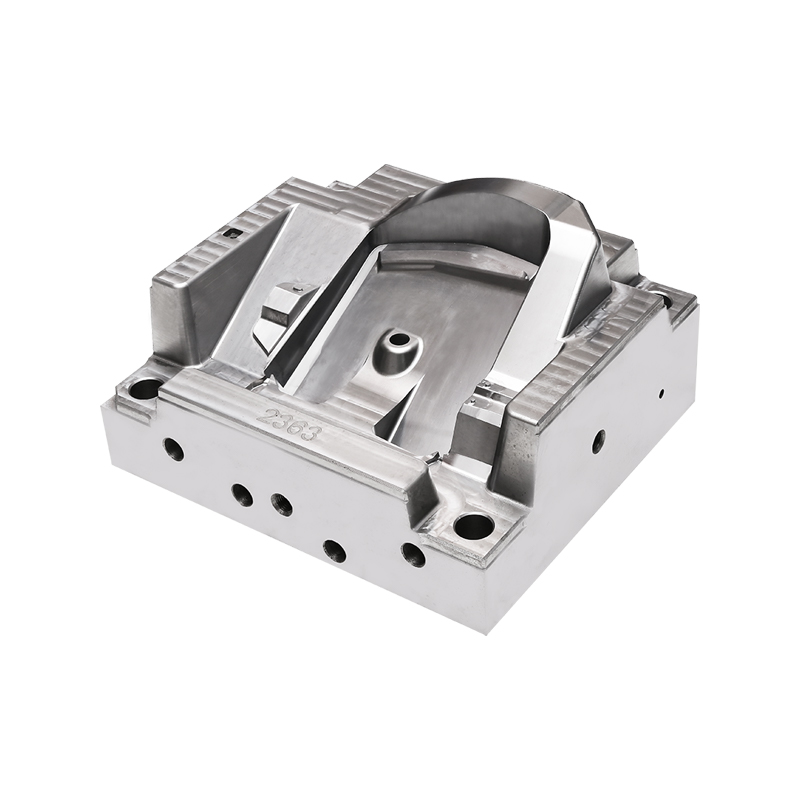
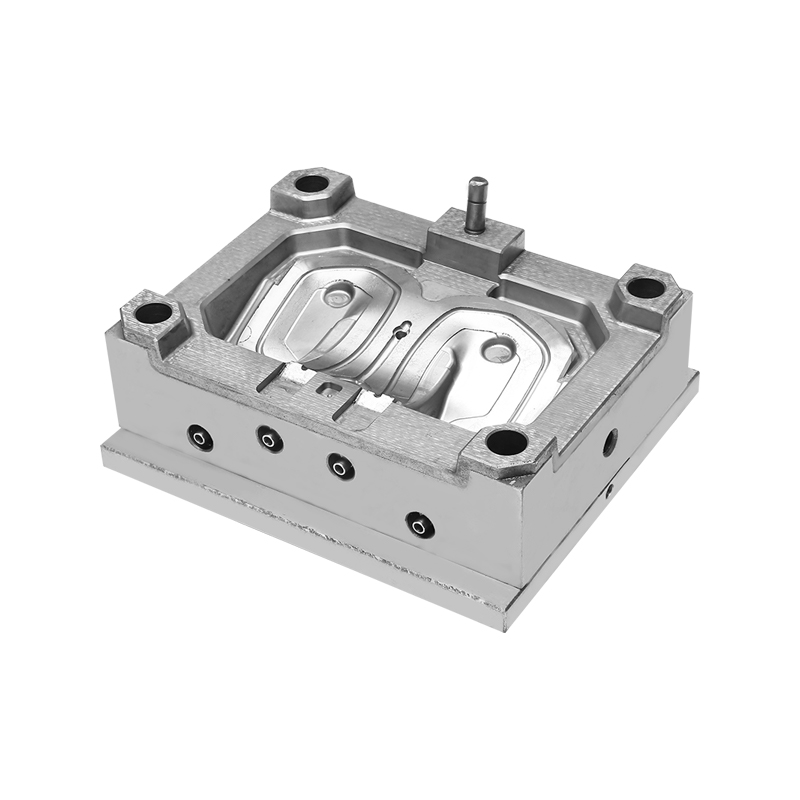
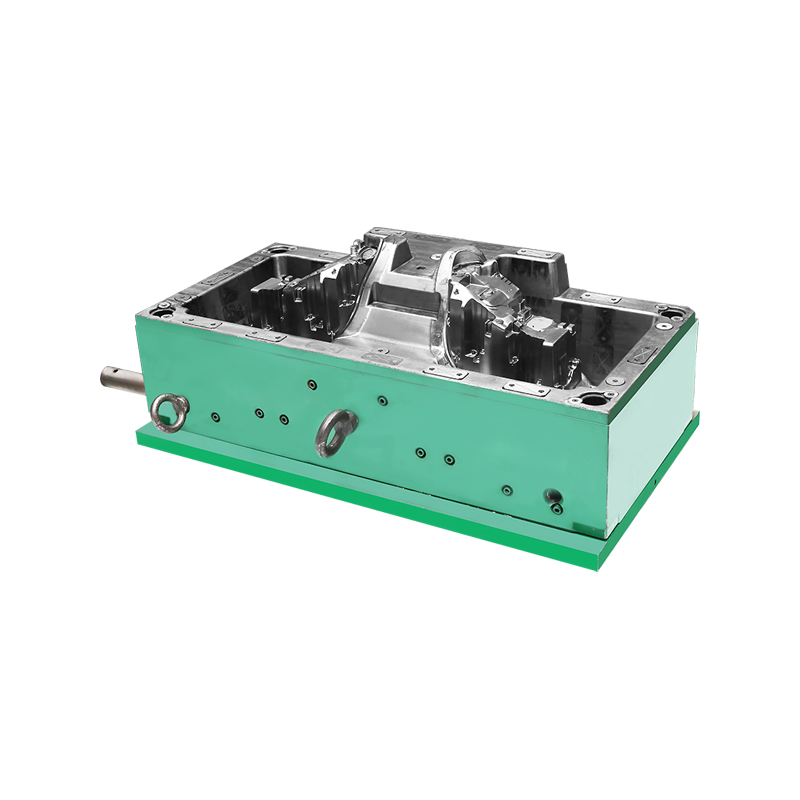
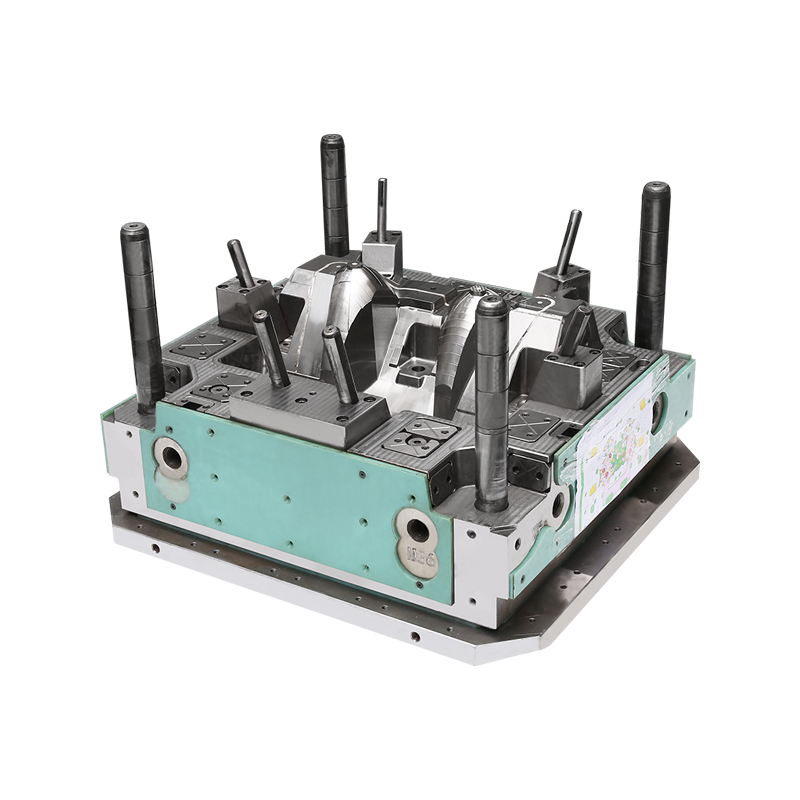
The Plastic Injection Mold Maker plays a central role in modern manufacturing, supporting the production of plastic components used in everyday products and industrial systems. The work of a mold maker extends beyond tooling fabrication, influencing product quality, production efficiency, and long-term cost management.
At the core of this role is the ability to translate product designs into functional molds that support stable injection processes. A Plastic Injection Mold Maker must consider factors such as material selection, part geometry, cooling efficiency, and ejection methods. Each of these elements affects cycle time, surface finish, and dimensional accuracy. Careful planning during the mold design stage helps manufacturers avoid costly revisions later in production.
Collaboration has become increasingly important in the relationship between product developers and mold makers. Rather than working in isolation, many Plastic Injection Mold Maker teams engage early in the design phase to provide feedback on manufacturability. This cooperative approach can help simplify part structures, reduce unnecessary complexity, and improve overall production feasibility. Early involvement also supports smoother transitions from prototyping to mass production.
Technological development has reshaped how mold makers operate. Computer-aided design and manufacturing tools allow detailed modeling of mold components and simulation of material flow. These tools help identify potential issues before steel is cut, saving time and resources. For a Plastic Injection Mold Maker, the ability to leverage digital tools contributes to more predictable outcomes and shorter development cycles.
Production efficiency is closely tied to mold quality. Well-designed molds support stable cycles and reduce downtime caused by defects or maintenance issues. Cooling channel layout, gate placement, and surface treatment all influence how efficiently a mold operates. For manufacturers running high-volume production, even small improvements in cycle time can translate into significant cost savings over the life of a mold.
Globalization has also influenced the Plastic Injection Mold Maker landscape. Customers often serve international markets and must meet varied regulatory and quality expectations. Mold makers respond by aligning their processes with widely recognized standards and maintaining detailed documentation. This attention to compliance and traceability supports smoother cross-border cooperation and long-term partnerships.
Customization remains a defining feature of injection mold making. While some molds follow standardized structures, many projects require tailored solutions that reflect unique product needs. A Plastic Injection Mold Maker must balance customization with efficiency, ensuring that specialized designs remain practical for production. Experience across multiple industries helps mold makers apply proven concepts to new challenges.
Sustainability considerations are gaining attention, and Plastic Injection Mold Maker practices continue to evolve. Efficient mold designs can reduce material waste, while optimized cooling systems lower energy consumption during production. Some mold makers explore modular designs that allow components to be replaced rather than rebuilding entire molds. These approaches align economic and environmental considerations in practical ways.
In the broader manufacturing ecosystem, the Plastic Injection Mold Maker serves as a link between product concept and physical reality. The quality of this link influences how reliably products reach the market and perform in use. Technical expertise, collaborative effort, and ongoing process refinement enable mold makers to support the diverse and changing needs of modern industry. Their role remains essential as plastic components maintain a strong presence across global manufacturing applications.