English
 中文简体
中文简体 русский
 Español
A plastic injection mold maker designs and manufactures the tooling that produces plastic components for industries ranging from automotive and consumer electronics to appliances, packaging, and medical devices. The mold itself is never seen by an end user, but nearly every plastic part in use today passed through one during production. The quality of that mold determines the quality, consistency, and cost of every part that emerges from it, making the mold maker's work a foundational element in the supply chain.
The core responsibility of a plastic injection mold maker is translating a product design into physical tooling that can repeatedly produce that design at the specified tolerances and volumes. That process begins with understanding the part geometry, the material that will be molded, the production volume target, and any functional or aesthetic requirements the finished part must meet. A simple geometric shape might be straightforward to mold. A complex part with thin walls, undercuts, tight tolerances, and multiple material colors requires significantly more sophisticated tooling design.
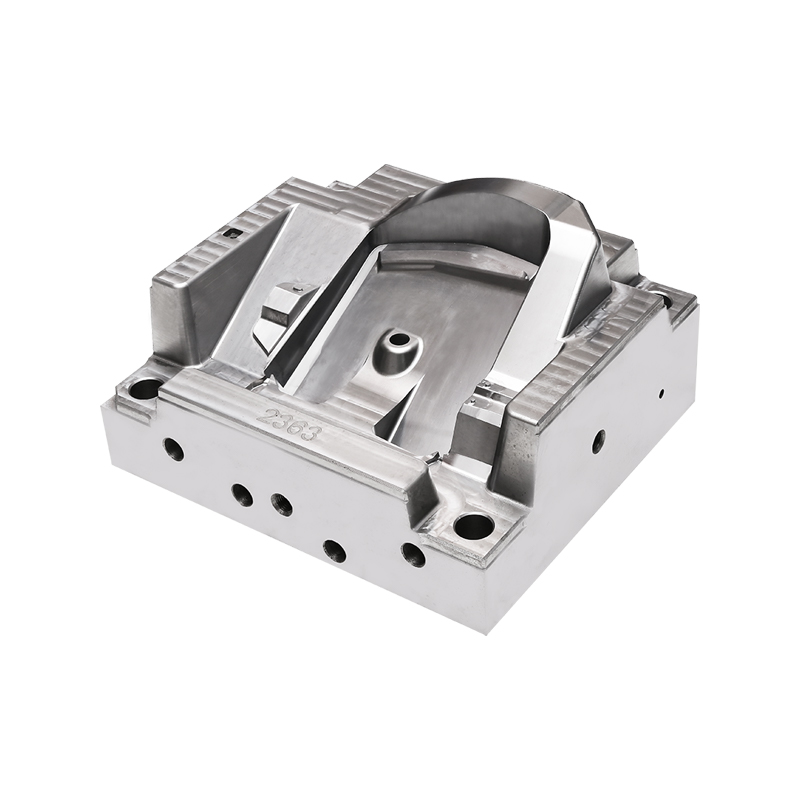
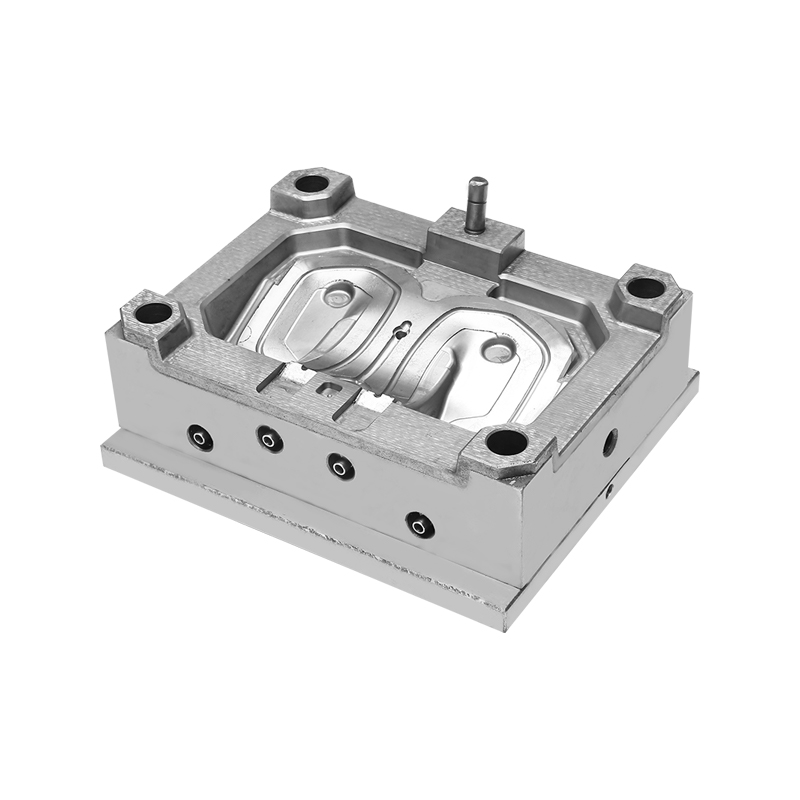
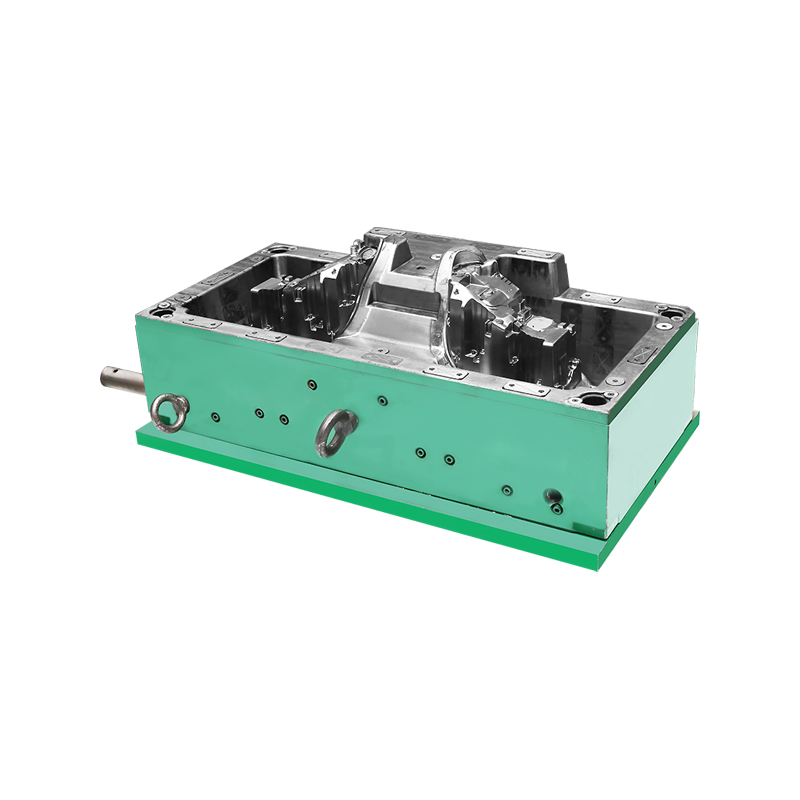
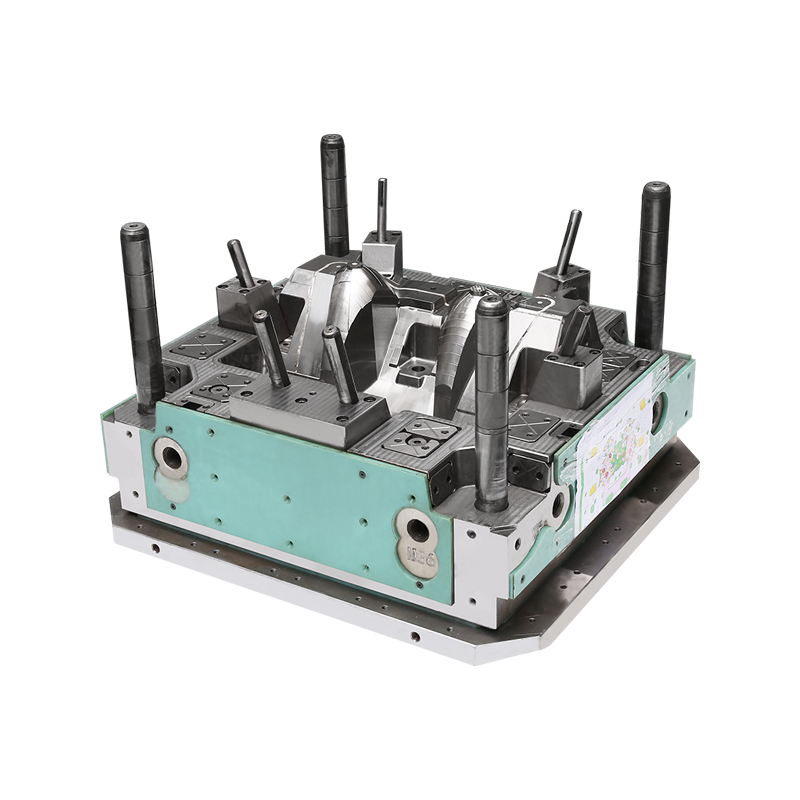
Cavity design is where the real engineering happens. The cavity is the negative space inside the mold that defines the shape of the molded part. Designing it involves decisions about gate location — where material enters the cavity — runner system layout that distributes plastic from the injection machine to the cavity, cooling line placement that accelerates solidification, and ejection mechanism design that removes the finished part without damaging it. These design choices affect cycle time, part quality, mold longevity, and the ease with which the finished part can be processed downstream.
Steel selection for mold construction reflects the expected production volume and the aggressiveness of the material being molded. Key options include:
- P20 pre-hardened steel: Widely used for prototype and low-to-medium volume production; machines readily and offers a good balance between cost and performance
- H13 hot work steel: Suited to higher-volume production and materials that generate more heat during processing; better wear resistance than P20 at higher hardness
- Stainless steel (S136/420): Specified when corrosion resistance is required or when molding materials that are chemically aggressive; also used where surface finish requirements are demanding
- Tool steel variants (A2, D2): Used in specialized applications where specific wear or dimensional stability characteristics are needed
Cooling system design is critical to mold performance and cycle time. Heat generated during plastic injection needs to be removed quickly to allow the part to solidify and be ejected without distortion. Cooling lines drilled through the mold provide a path for cooling water or oil to circulate. The placement, diameter, and circuit design of these lines affect how uniformly the mold cools — which in turn affects part dimensional consistency and surface quality. Better cooling system design reduces cycle time, which lowers the cost per part across the mold's production life.
Surface finish inside the cavity affects the surface quality of molded parts. A rough cavity surface produces a rough part surface. Achieving a specific surface finish requires sequential polishing through progressively finer abrasive grades — a time-consuming process that adds to mold cost but is essential when the part specification demands a smooth or aesthetically refined surface.
Material flow inside the cavity during injection determines how evenly the plastic fills the plastic injection mold, where weld lines form (where separate flow fronts meet and can create weak points), and whether the part quality meets specification. Simulation software allows mold makers to analyze these factors before the physical mold is built, catching potential problems at the design stage rather than discovering them during production.