English
 中文简体
中文简体 русский
 Español
Maker’s Corner: Crafting Plastic Mold Tools
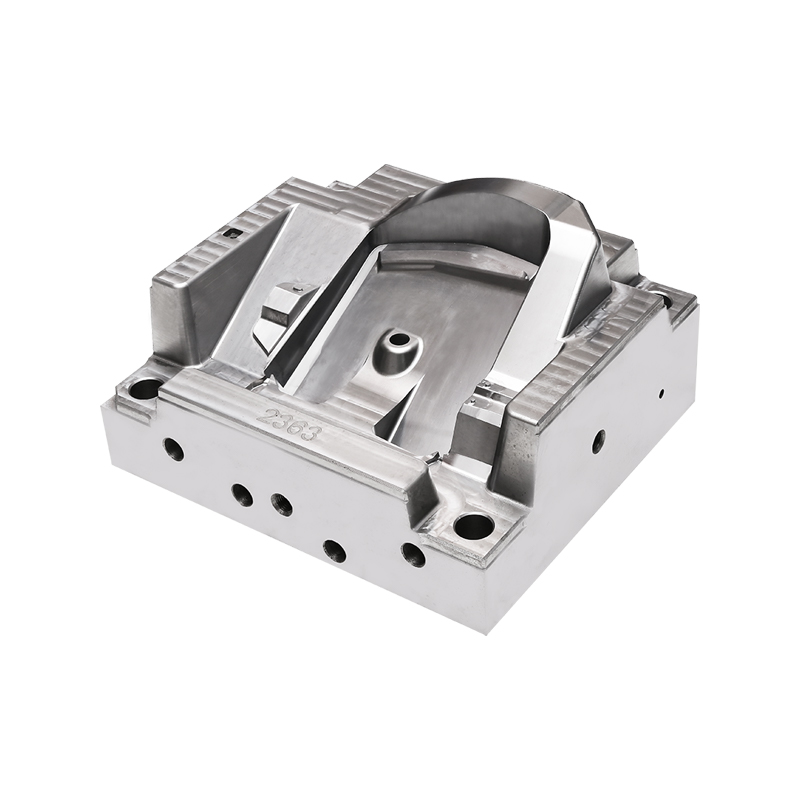
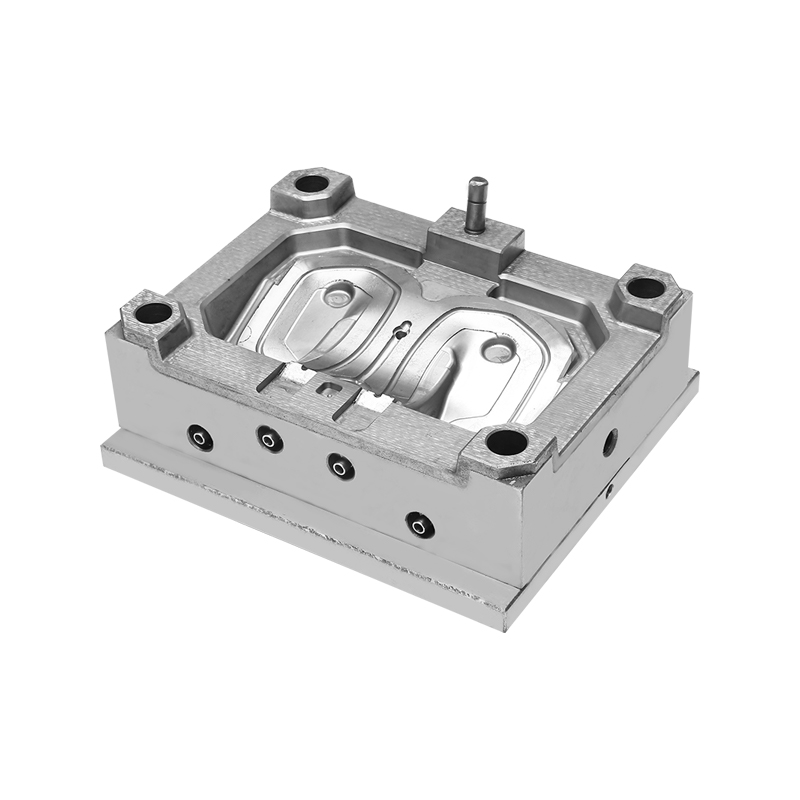
Plastic injection mold makers play an essential role in manufacturing by transforming design concepts into precise molds for plastic components. These companies focus on engineering accuracy, material strength, and detailed finishing to ensure molded products meet specifications. The process begins with selecting high-quality steel or aluminum for mold construction, which provides durability under the high pressure and temperature of injection molding. Each mold is carefully machined and polished to achieve smooth surfaces and precise dimensions, which are critical for consistent part quality.
Engineers rely on computer-aided design (CAD) and computer-aided manufacturing (CAM) software to plan mold cavities, cooling channels, and ejector systems. Each mold component is produced to tight tolerances to minimize defects and maintain repeatable performance during production. Machining, polishing, and assembly steps are conducted in controlled conditions, and molds undergo rigorous inspection before approval. This ensures that plastic parts produced from these molds match design requirements accurately and efficiently.
Inside the Mold: Design and Function
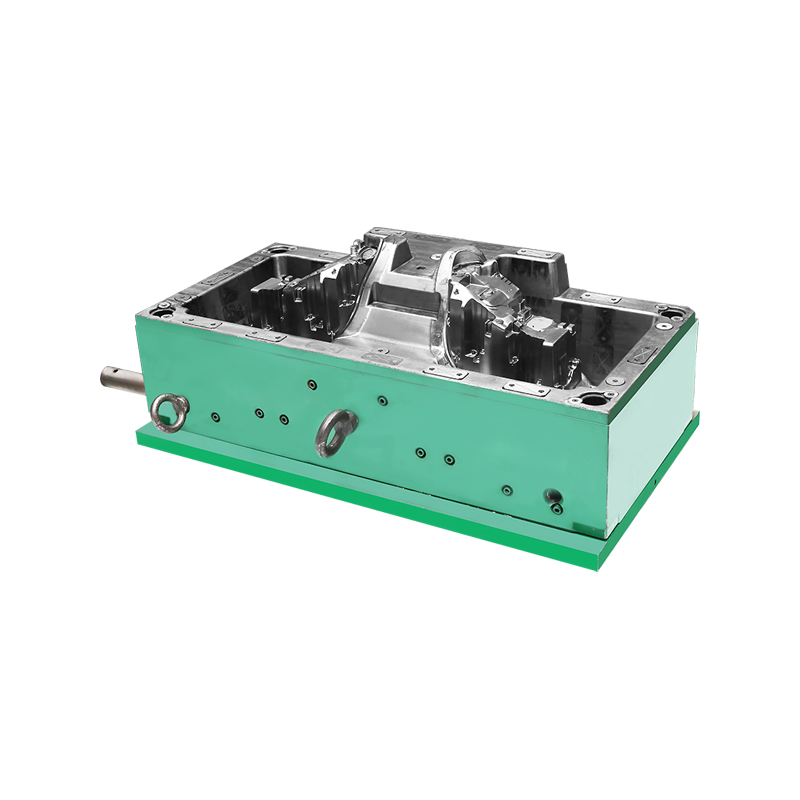
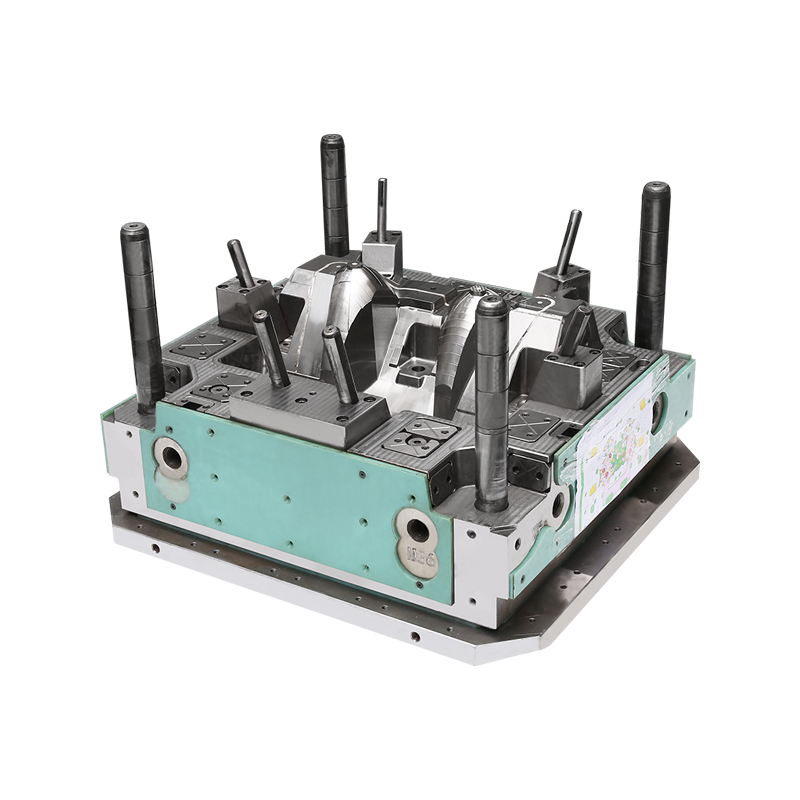
Plastic injection mold makers design molds to handle a variety of part geometries, from simple shapes to complex, multi-cavity configurations. The mold cavity determines the shape of the plastic component, while cooling channels help regulate temperature during the injection process. Ejector pins, slides, and lifters are integrated to allow the molded part to release without damage. Every feature is carefully engineered to ensure smooth production and reduce defects such as warping, sink marks, or incomplete filling.
The selection of mold materials affects performance and durability. Hardened steel molds provide long-lasting strength for high-volume production, while aluminum molds are lighter and suitable for prototype runs or low-volume projects. Mold surfaces are polished or textured depending on the desired finish of the plastic part, allowing injection mold makers to produce glossy, matte, or patterned surfaces. Precision engineering ensures that each mold operates consistently under repeated injection cycles.
Production Process: From Concept to Mold
The manufacturing process for plastic injection molds involves multiple stages of preparation, machining, and assembly. Engineers analyze part designs and determine the gating system, cavity layout, and cooling configuration. Raw materials are cut, milled, and drilled to create mold halves. Machined components are then polished to achieve smooth surfaces, and mold features such as ejector pins and alignment guides are installed. The completed mold is tested under simulated injection conditions to verify dimensional accuracy, fit, and function.
Quality control is critical throughout the production process. Mold makers check dimensions, cavity alignment, and surface quality at various stages to ensure compliance with design specifications. Functional testing with sample injections confirms that parts can be molded without defects. This attention to detail ensures molds provide consistent results, even during long production runs. The integration of engineering precision, meticulous machining, and quality verification results in molds that reliably produce parts according to client requirements.
Applications and Industrial Value
Plastic injection mold makers supply molds for a wide range of industries, including automotive, electronics, consumer products, medical devices, and household items. The molds they produce allow manufacturers to create parts with consistent quality, tight tolerances, and repeatable shapes. These molds accommodate different types of thermoplastics, enabling designers to choose materials that meet functional, aesthetic, or mechanical requirements.
The impact of plastic injection mold makers extends beyond the molds themselves. Accurate and durable molds reduce defects, minimize waste, and support efficient manufacturing operations. Companies rely on mold makers to produce tools that maintain shape, surface finish, and dimensional integrity throughout repeated injection cycles. Their work supports industries that require high-quality plastic components, contributing to operational efficiency, product consistency, and reliable performance in production lines.