English
 中文简体
中文简体 русский
 Español
Introduction to BMC Mold
BMC (Bulk Molding Compound) is a widely used material in the manufacturing industry, particularly in industries where high-performance components are required. This versatile thermoset composite material is often employed in the production of automotive parts, electrical components, and various industrial applications. The moldability and strength of BMC make it a preferred choice in sectors that require both high durability and cost-effective solutions.
What Is BMC Mold and How Does It Work?
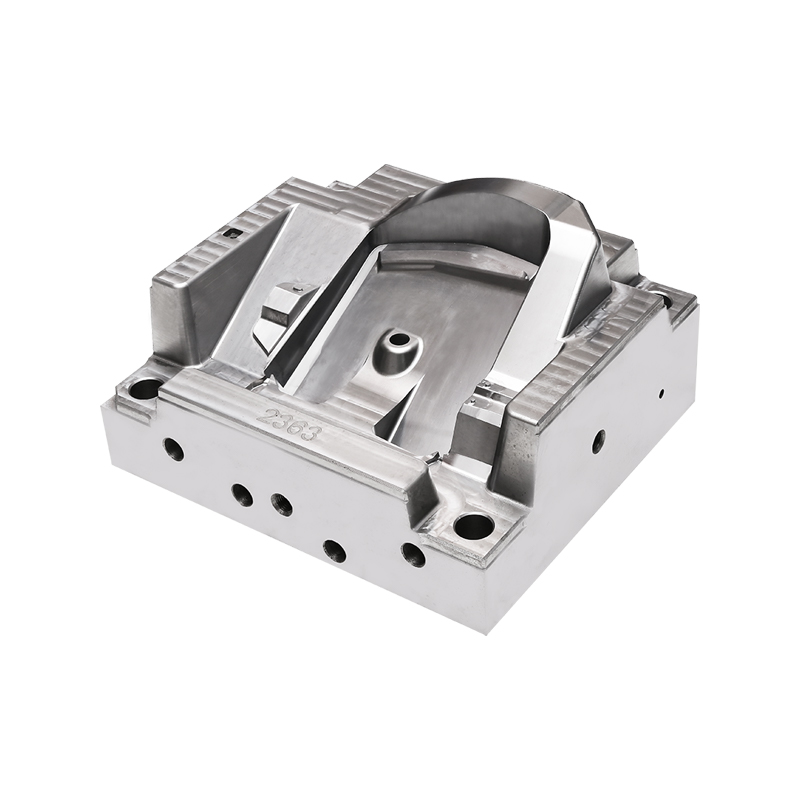
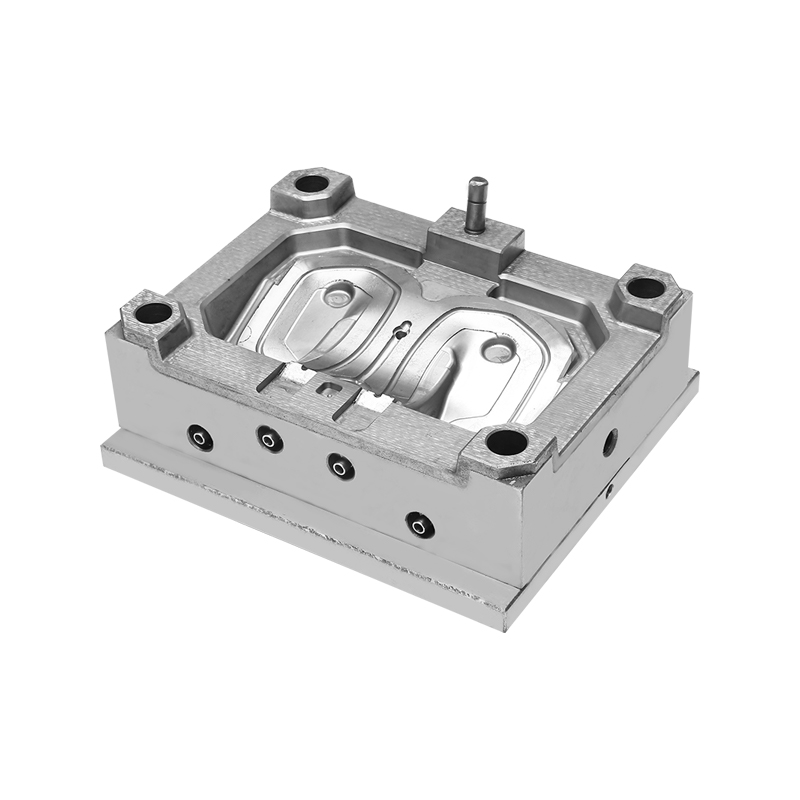
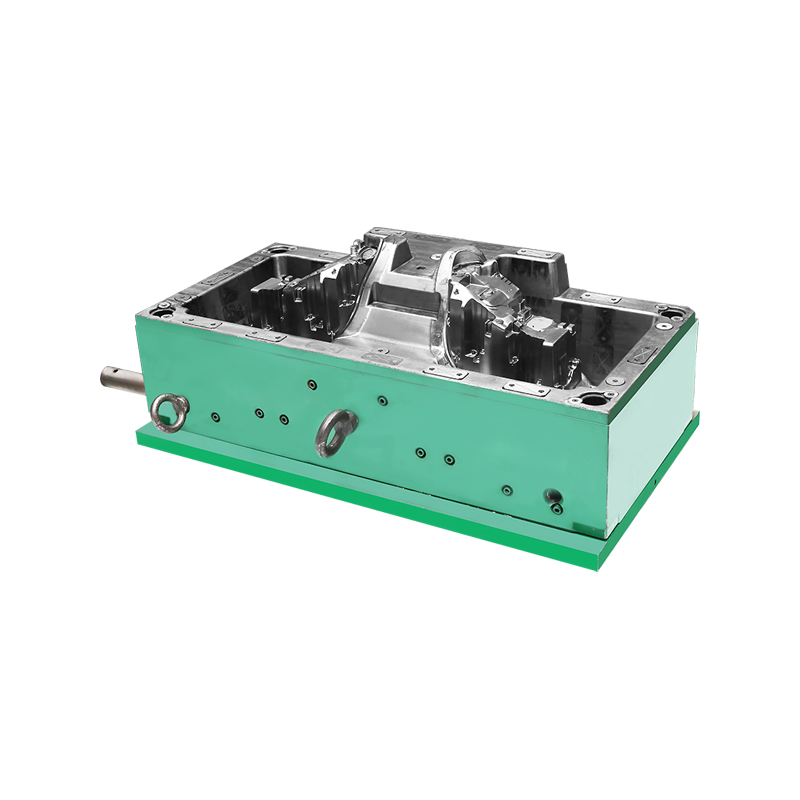
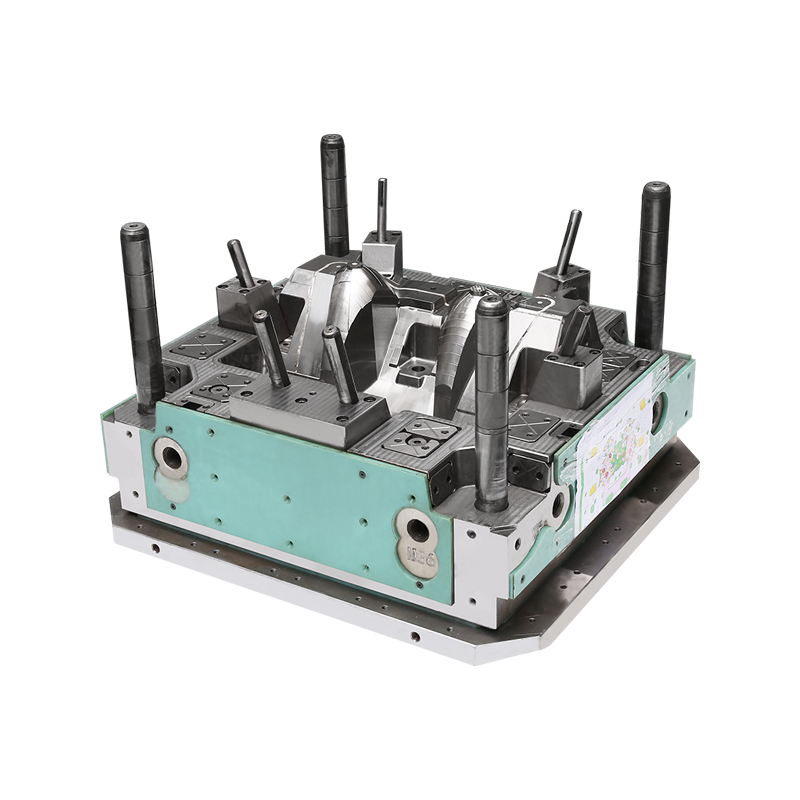
BMC mold refers to the process of molding Bulk Molding Compound into specific shapes or components using a molding technique. BMC itself consists of a blend of reinforcing fibers, resin, fillers, and additives, which provide a combination of strength, electrical insulation, and heat resistance. During the molding process, the BMC material is placed into a mold, then subjected to heat and pressure. This results in the material curing into a solid, durable part that retains the shape of the mold.
The BMC molding process is highly efficient, allowing manufacturers to create intricate designs with high dimensional accuracy. The mold can be designed to fit specific product requirements, and once the material cures, it becomes resistant to heat, chemicals, and impact.
Applications of BMC Mold in Industry
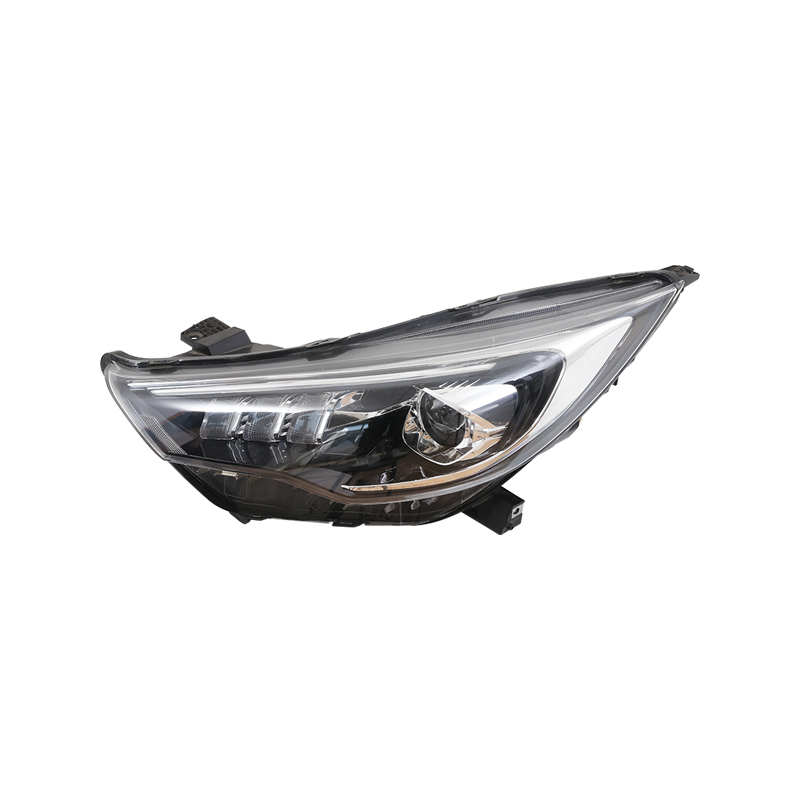
BMC mold is particularly popular in industries that demand high-strength, lightweight, and durable parts. One of the common applications is in the automotive industry, where BMC is used for components such as electrical connectors, housings, and exterior body parts. The material’s resistance to heat and chemicals makes it ideal for automotive electrical components that must withstand conditions.
In addition to the automotive sector, BMC molds are also used in the production of electrical parts, such as circuit breakers, terminal blocks, and switches. These components benefit from BMC’s electrical insulation properties and resistance to environmental factors like moisture and high temperatures.
Advantages and Benefits of Using BMC Molding
BMC molding offers numerous benefits that make it an attractive option for manufacturers. First and foremost, BMC provides mechanical strength and durability compared to other composite materials. The reinforcing fibers in BMC enhance its ability to withstand impact and high-stress conditions, ensuring that the final molded parts are long-lasting and resistant to wear and tear.
Another key advantage is the material's versatility. BMC can be molded into complex shapes with a high degree of precision, making it ideal for custom-designed products. BMC can be easily combined with different additives to improve its properties, such as enhancing flame resistance or improving its electrical insulation capabilities.
BMC molding is also cost-effective. The molding process is relatively quick, and the materials used in BMC are often more affordable compared to alternative composite materials. This cost-effectiveness, combined with its performance benefits, makes BMC a preferred choice for many industries looking for reliable and economical solutions.
Conclusion
BMC molding plays a vital role in the production of durable, high-performance components used in various industries. Its versatility, strength, and cost-effectiveness make it an ideal choice for manufacturers looking for efficient and reliable solutions for demanding applications. The evolving landscape of technology ensures BMC's role as a key material in manufacturing, thanks to its adaptability and performance strengths.