English
 中文简体
中文简体 русский
 Español
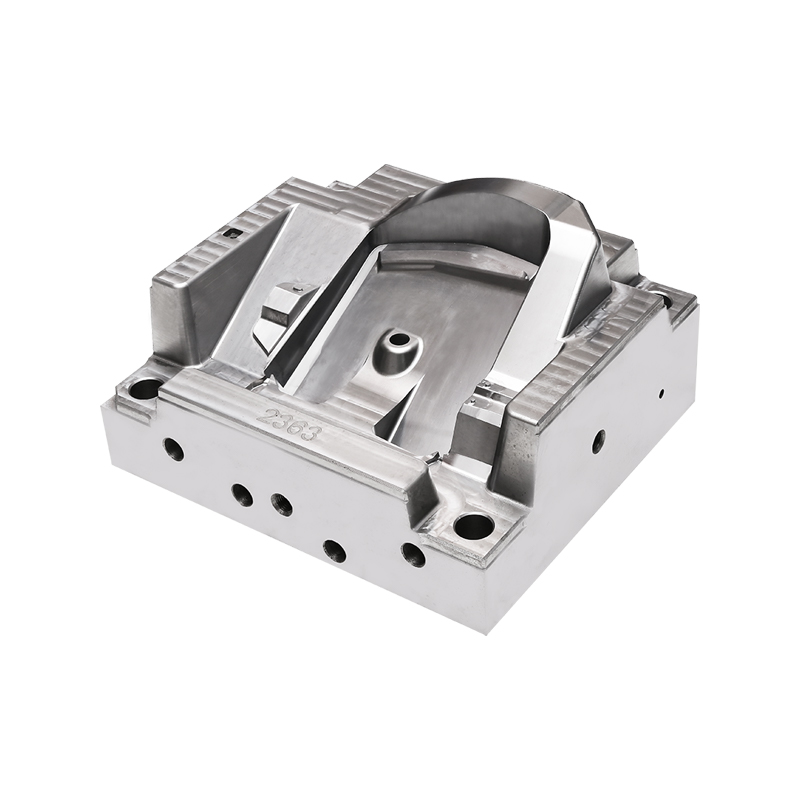
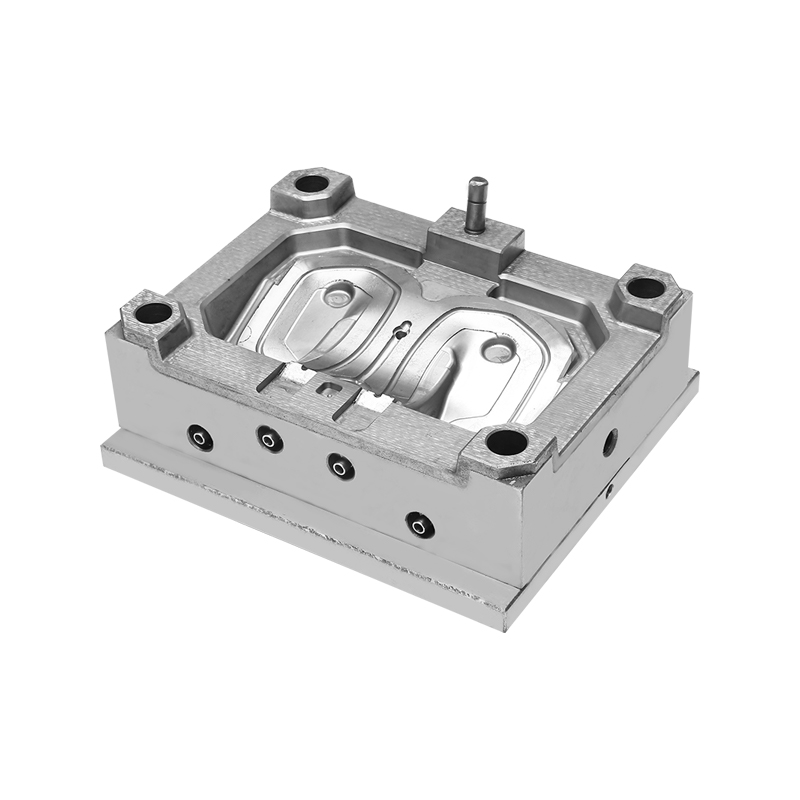
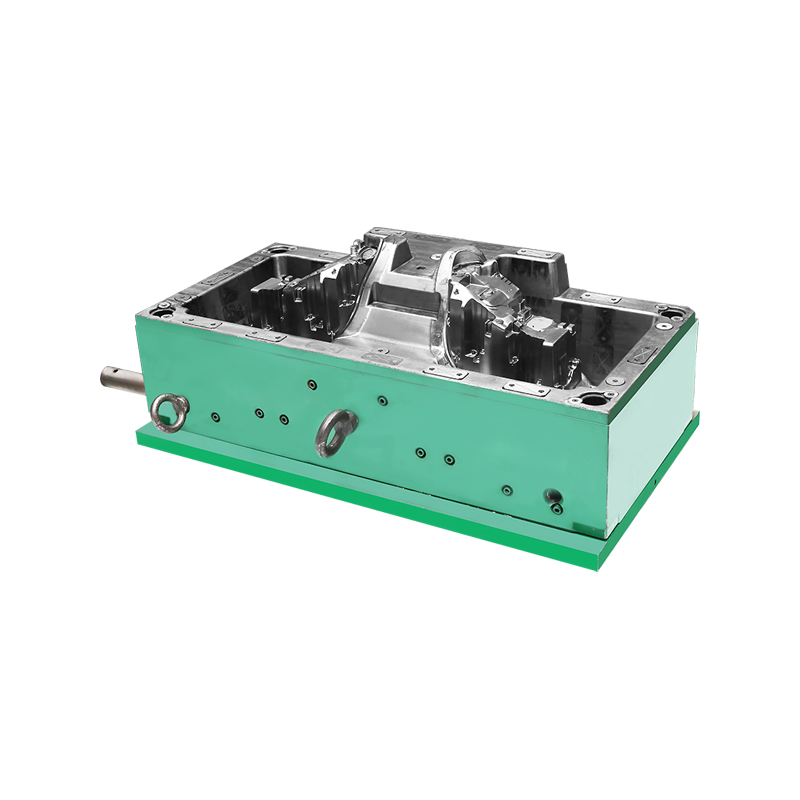
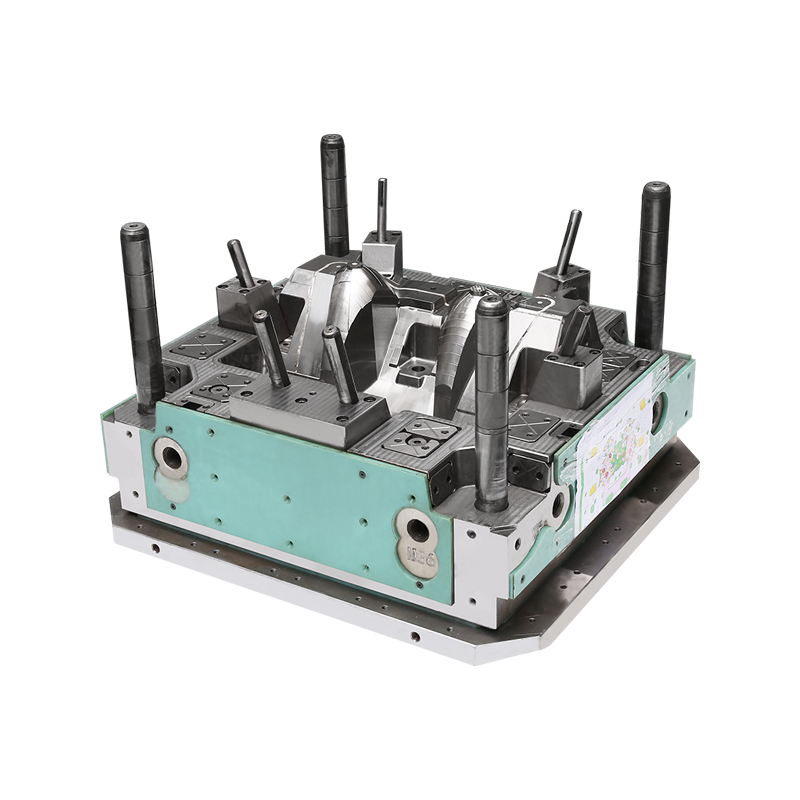
The role of plastic injection mold makers has become increasingly crucial in today’s manufacturing landscape. These specialized professionals or companies are responsible for creating molds that are used in the injection molding process, which is one of the widely used manufacturing techniques for producing plastic products. The process involves injecting molten plastic into a pre-designed mold, which cools and solidifies to form a specific shape. It is widely used across industries, including automotive, consumer goods, electronics, and packaging.
Plastic injection mold making requires a blend of engineering expertise and advanced technology. Mold makers must have a deep understanding of material properties, mold design, and manufacturing techniques to produce molds that can withstand high pressures and temperatures during production. The precision required in mold-making ensures that the resulting plastic parts are uniform, durable, and functional, which is essential for meeting the high standards of modern products. This attention to detail helps improve production efficiency, reduce waste, and ensure consistent quality, which ultimately leads to lower manufacturing costs and higher customer satisfaction.
A key advantage of plastic injection molding is its ability to produce large quantities of identical parts at a fast rate. This makes it a cost-effective solution for manufacturers, particularly when large-scale production runs are required. However, producing high-quality molds that can handle these large volumes takes skill and experience. A plastic injection mold maker must consider factors such as mold cavity design, cooling efficiency, and material compatibility to optimize the production process. Precise control over temperature and pressure ensures minimal defects, to consistent quality and reduced downtime during mass production.
In addition to providing high-volume production capabilities, plastic injection molding is also highly versatile. Molds can be created for a wide range of product types, from simple components to complex, intricate parts. This versatility has driven the widespread adoption of injection molding across multiple industries. For example, the automotive sector relies heavily on plastic injection molding to produce everything from dashboards to fuel system components, while the electronics industry uses it for items such as casings and connectors.
Demand for high-quality, cost-effective products continues to grow, making the role of plastic injection mold makers increasingly important. Advances in technology, such as the use of artificial intelligence and automation, are transforming the way molds are designed and manufactured. These innovations allow mold makers to improve efficiency, and achieve even higher precision, ultimately resulting in better products at lower costs. Industries seek to meet growing consumer expectations, and mold makers adapt to new materials and design techniques, further enhancing their ability to deliver innovative, high-performance solutions.
In conclusion, the work of plastic injection mold makers is essential for producing high-quality plastic components efficiently and at scale. These professionals, armed with expertise in design, engineering, and manufacturing, help drive the success of industries relying on plastic injection molding. Manufacturing continues to evolve, and the role of the plastic injection mold maker remains integral to producing durable, precise, and cost-effective products across various sectors. New technologies emerge and industries demand greater efficiency, so mold makers will continue to innovate, ensuring production processes stay competitive and adaptable to future needs.