English
 中文简体
中文简体 русский
 Español
Pick any part inside your car — the housing around the gear shift, the clip holding a door panel in place, the grille slats on a dashboard vent — and there's a very high chance it came out of a car part mold. Not assembled around one, not cut from a sheet. Literally formed inside a hollow steel or aluminum tool, under heat and pressure, in a matter of seconds. That process, repeated millions of times across dozens of suppliers, is how a modern vehicle gets built.
Start With the Basics: What a Mold Is Actually Doing
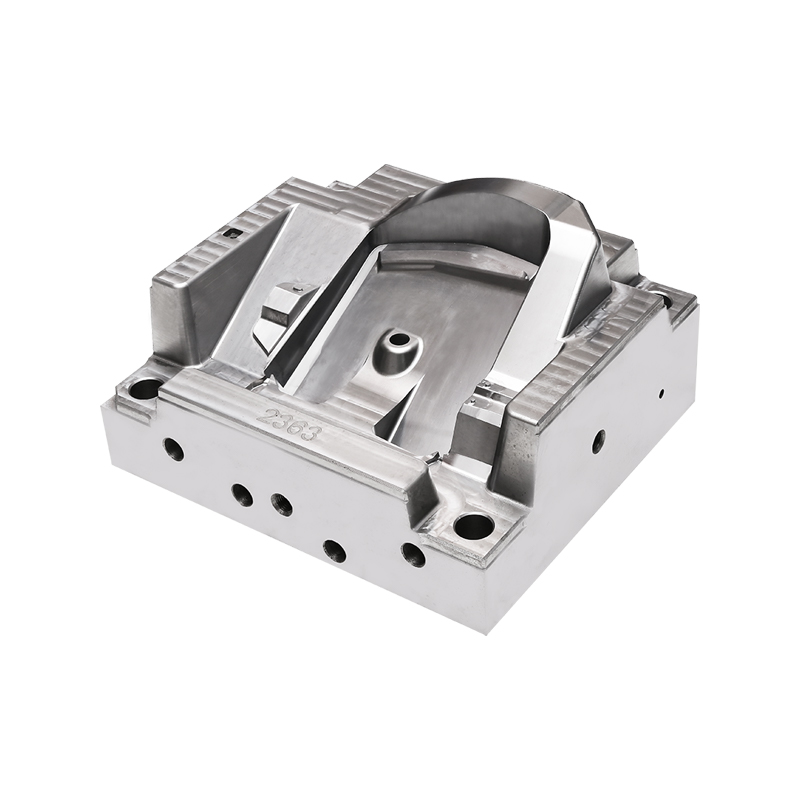
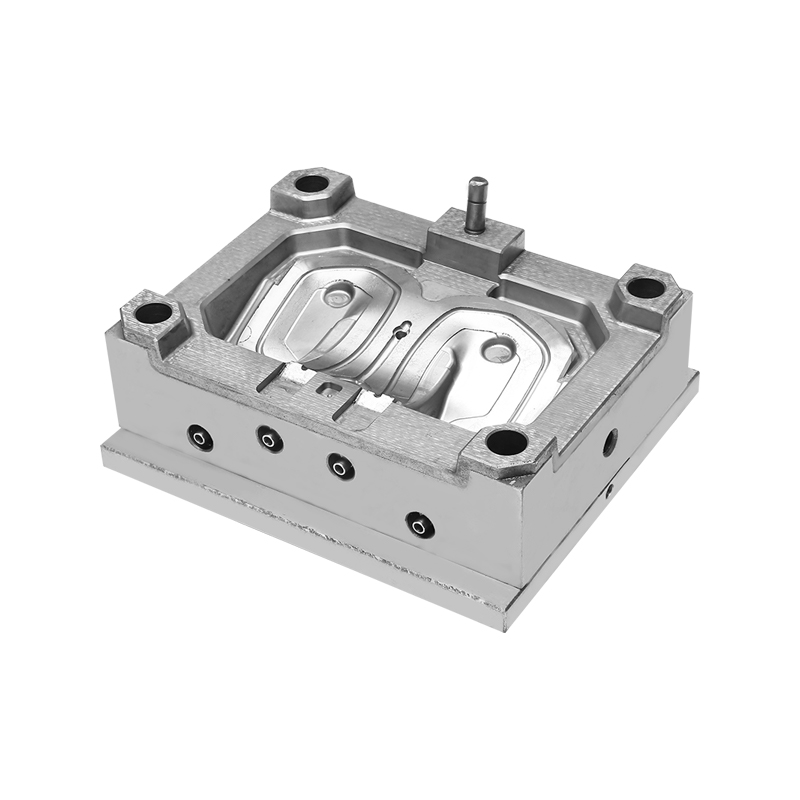
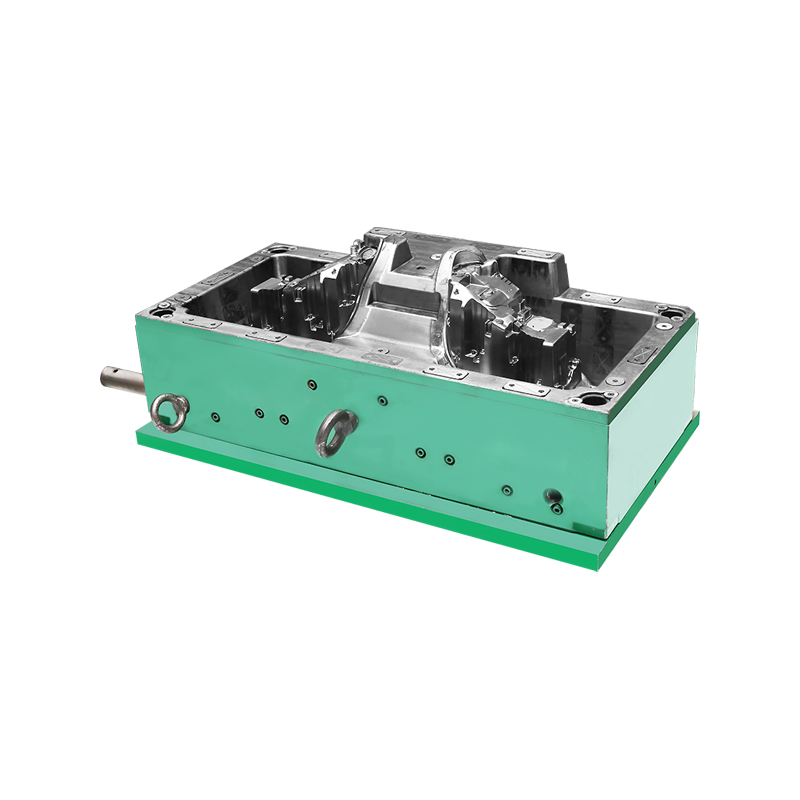
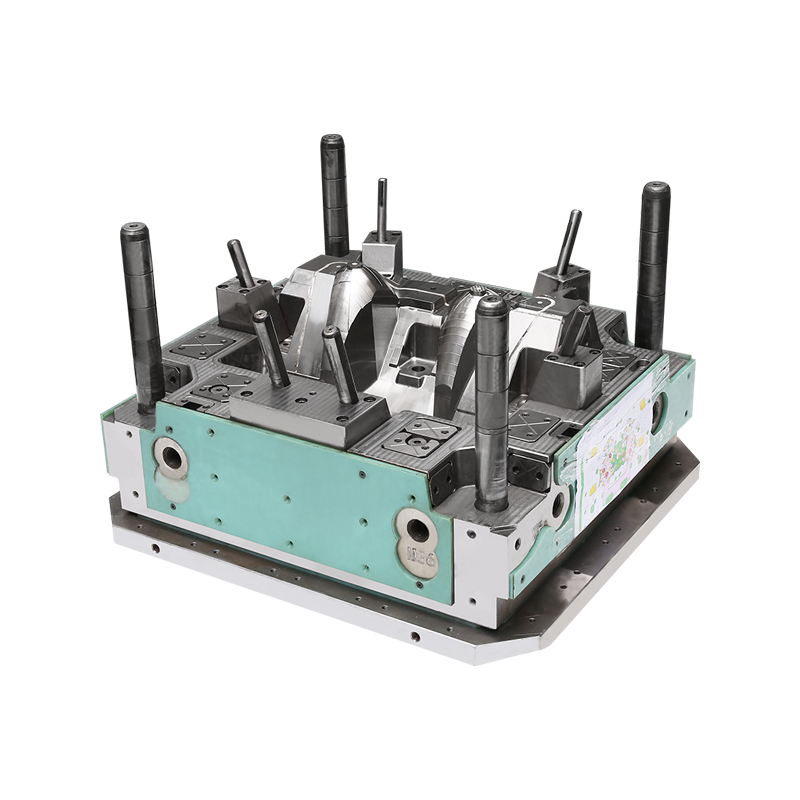
A car part mold is a precision tool with a cavity cut into it that matches the shape of the finished component. Material — usually molten plastic, sometimes rubber or a metal alloy — gets forced into that cavity, takes the shape, cools or cures, and comes out as a usable part. The mold then closes again and the cycle repeats. Thousands of times. Sometimes hundreds of thousands.
What makes this worth thinking about is the consistency it demands. Same clip positions. Same surface texture. Same wall thickness down to fractions of a millimeter. The mold is the only reason that's achievable at volume — and it has to be built right from the start, because there's no fixing a fundamental design flaw once a mold is in production without expensive retooling.
Steel or Aluminum — How the Choice Gets Made
High-volume programs run on steel molds. P20 and H13 are the workhorses — both machine well, take a good polished surface, and hold up through the thermal cycling that injection molding involves. A well-maintained steel mold can run for half a million cycles or more without significant dimensional change.
Aluminum molds cost less and machine faster, which makes them attractive for prototype work and lower-volume programs. The trade-off is durability — aluminum wears faster under production conditions and can't take the same cavity pressure as hardened steel. For a part that's going to run a few thousand units, that's fine. For a high-volume exterior trim component, it's not the right call.
How Electric Vehicles Are Shifting the Work
The transition to EVs has reshuffled which car part molds are in demand. Battery enclosures are a category that barely existed at automotive scale five years ago. Thermal management housings, high-voltage connector components, revised underbody panels — all of these have created new tooling programs that traditional combustion-vehicle production lines didn't need.
At the same time, weight reduction pressure has pushed more structural components toward engineering plastics and fiber composites, which have different mold requirements than the materials they're replacing. Conformal cooling — channels that follow the contour of the mold cavity rather than running in straight drilled lines — has gotten more attention as a way to improve cooling uniformity and cut cycle times.
Car part mold work isn't glamorous. It never has been. But the vehicles being built right now are only possible because someone spent months getting a steel tool to produce the same part, correctly, tens of thousands of times in a row. That's a harder problem than it looks.