English
 中文简体
中文简体 русский
 Español
Step into any modern vehicle and you're surrounded by plastic components, from dashboard panels to bumper covers to interior clips holding trim pieces in place. Most of these parts trace back to a manufacturing process called automotive plastic injection moulding, a method that turns raw plastic pellets into precisely shaped components at a fairly rapid pace. It's one of those processes that operates quietly behind the scenes yet touches nearly every part of a car's interior and exterior design.
Breaking Down The Basic Process
The general idea behind injection moulding is fairly straightforward, even if the engineering behind it gets complicated quickly. Plastic pellets get heated until they melt into a thick, flowable liquid. That molten plastic is then injected under pressure into a metal mould shaped like the final part. Once the plastic cools and hardens inside the mould, the mould opens and the finished piece gets ejected.
For automotive applications specifically, this process needs a level of consistency that other industries might not demand as strictly. A door handle or dashboard trim piece has to match its neighboring components almost exactly, since visible gaps or mismatched textures stand out immediately to anyone sitting in the car. This is part of why automotive moulding tends to involve tighter tolerances than moulding processes used for simpler consumer goods.
Materials Commonly Used In Vehicles
Not all plastics behave the same way once they're inside a car, which means material selection plays a real role in how a part performs. Some materials handle heat well, others resist impact better, and some are chosen specifically for their surface finish. A few materials frequently used across automotive parts include:
- Polypropylene, often found in bumper systems and interior trim
- ABS plastic, common in dashboard components and console pieces
- Nylon-based composites, used where extra strength is needed near engine areas
- Polycarbonate blends, sometimes chosen for lens covers and lighting components
Each material responds differently to heat and pressure during moulding, so the process settings often get adjusted depending on which plastic is being used and what part it's forming.
Why Mould Design Takes So Long
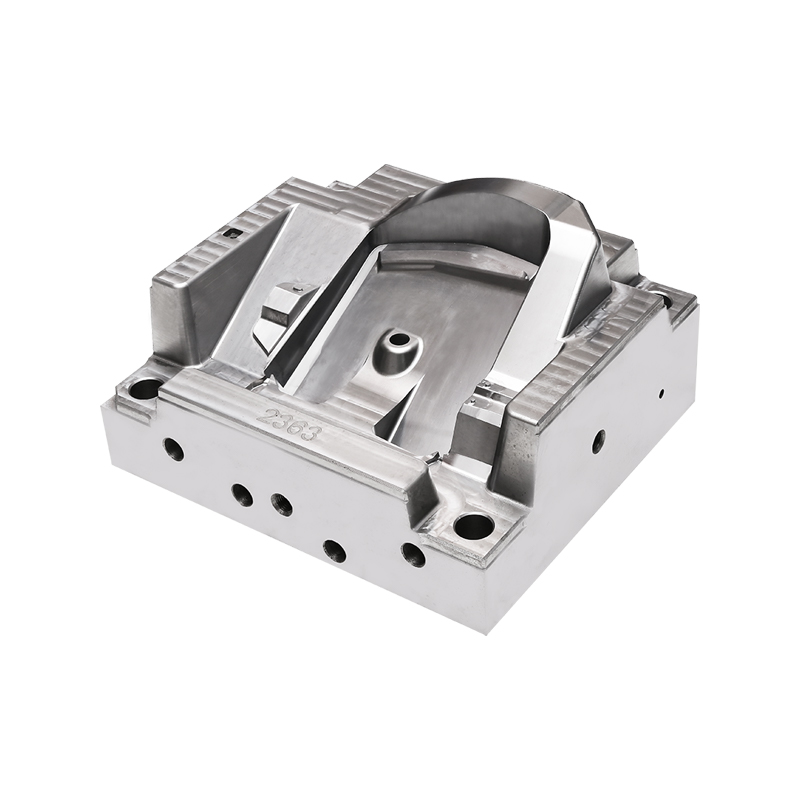
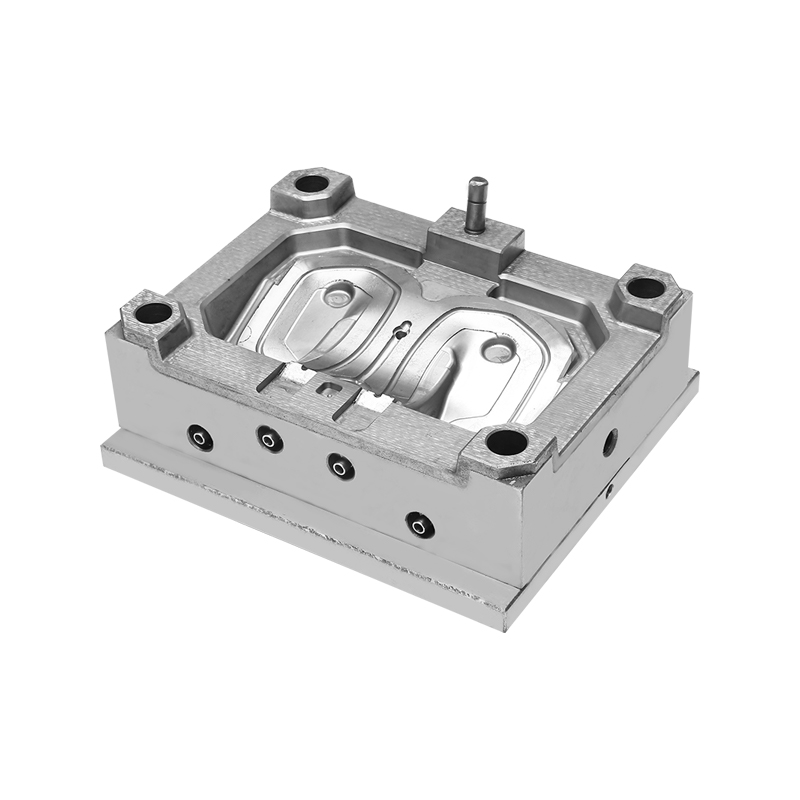
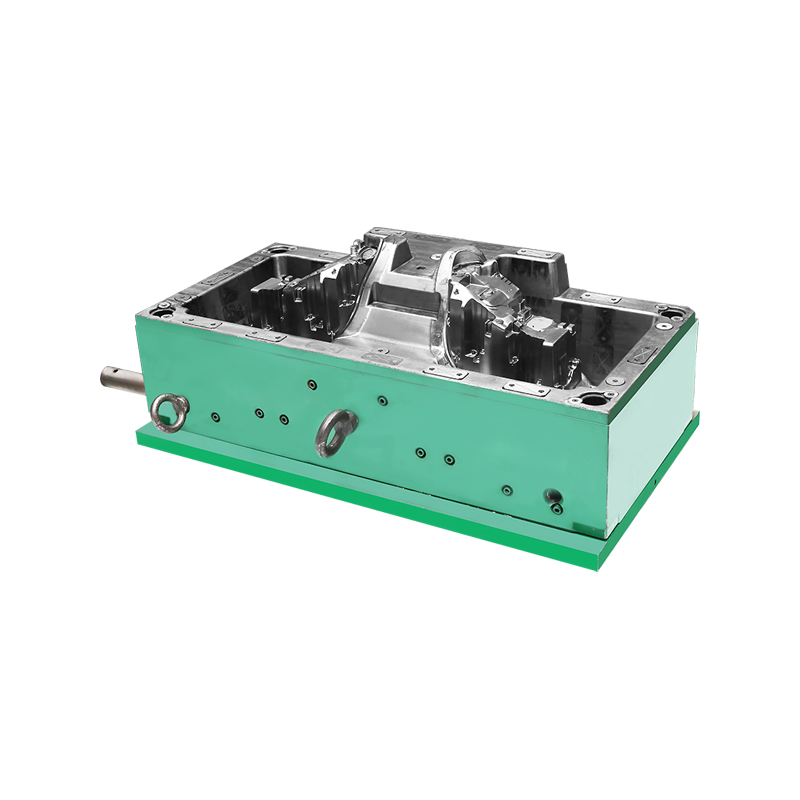
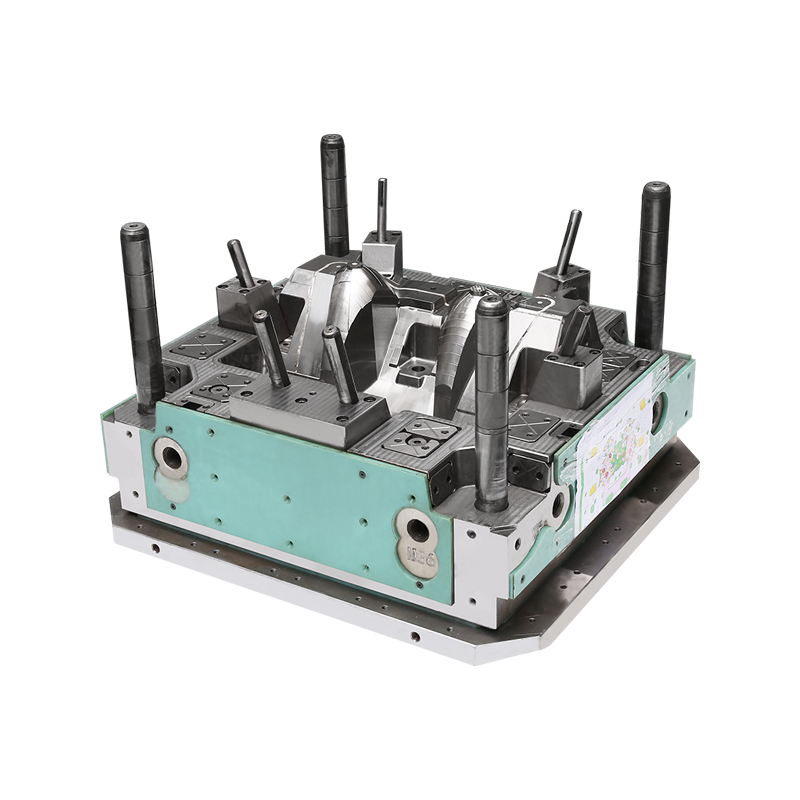
People sometimes assume the mould itself is a simple metal block with a part-shaped hole cut into it, but automotive moulds are considerably more involved. Internal cooling channels have to be routed carefully so the plastic solidifies evenly across the entire part. Uneven cooling can cause warping, sink marks, or dimensional inconsistencies that become obvious once the part is installed next to other components.
Designers also need to account for how the finished part will separate from the mould without damage. Features like ejector pin placement, draft angles, and parting lines all get planned out well before any metal gets cut. Getting these details right the time matters because automotive moulds are expensive tools meant to produce large volumes of identical parts over an extended run.
How Precision Affects Fit And Function
Precision in this context isn't just about appearance, though that matters for interior parts especially. In automotive plastic injection moulding, dimensional accuracy affects how well components snap together, how smoothly moving parts like glove compartments operate, and how consistently parts align across an entire vehicle lineup. A slight shift in mould temperature or injection speed can alter a part's dimensions just enough to cause fitting issues during vehicle assembly.
This is one reason process monitoring during automotive plastic injection moulding production tends to be fairly rigorous. Small variations that might go unnoticed in other industries can create noticeable problems once thousands of vehicles are being assembled using the same part specifications.