English
 中文简体
 русский
 Español

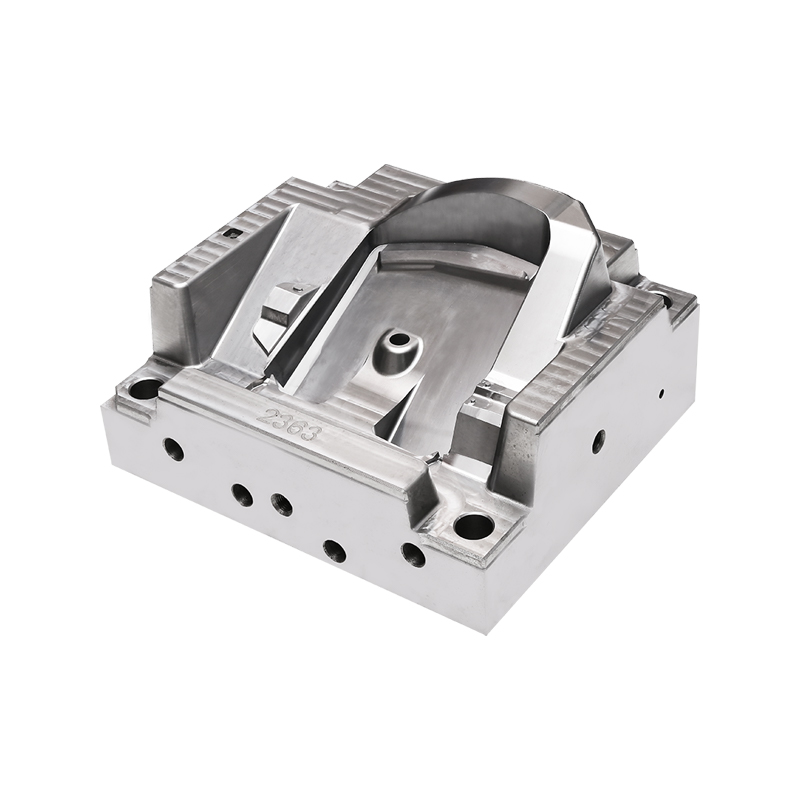
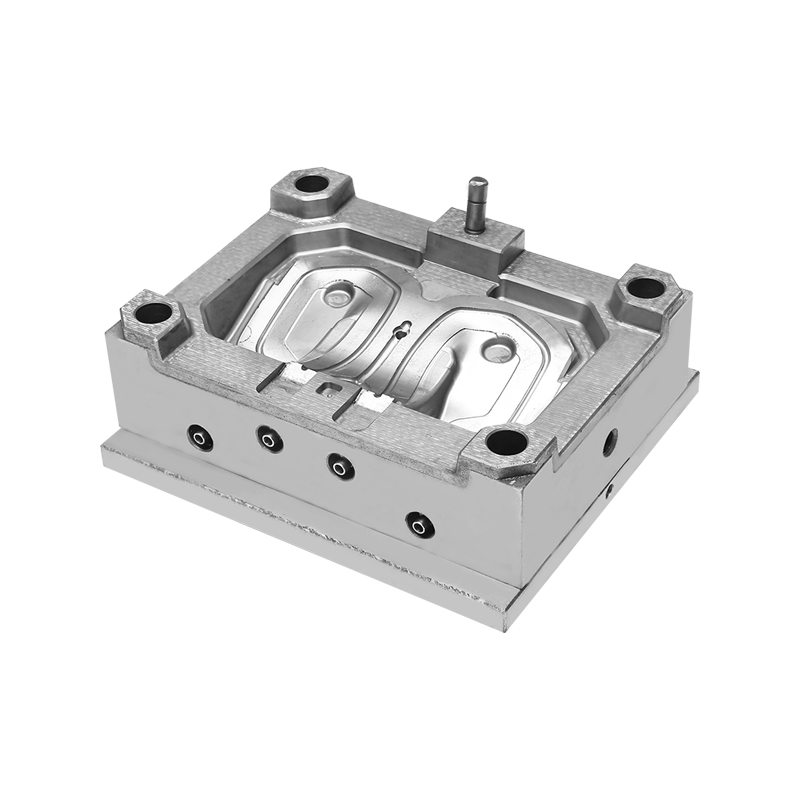
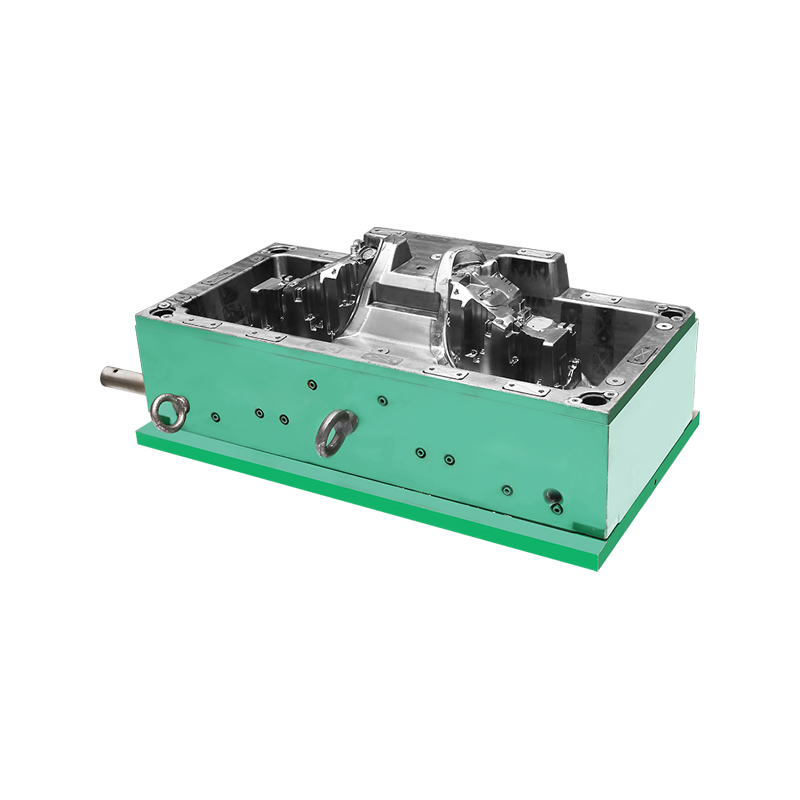
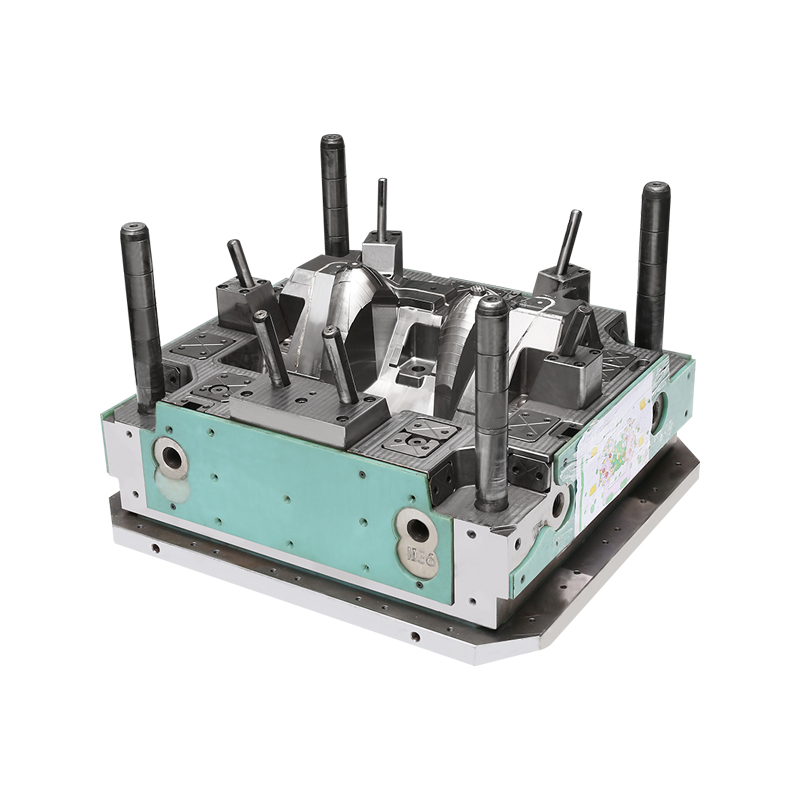
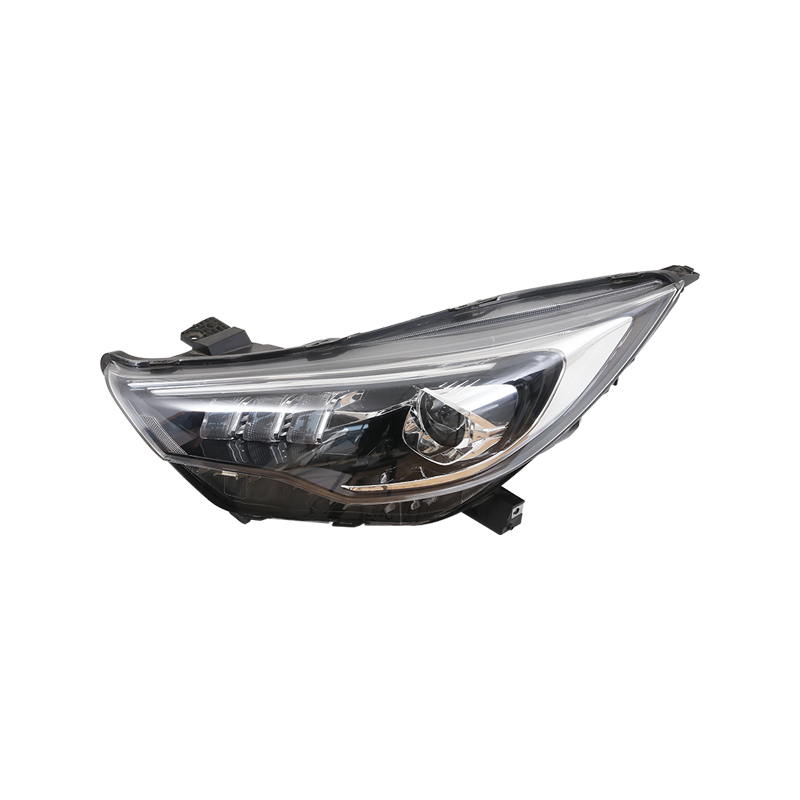
Automotive lighting components combine functional structures with carefully developed external shapes. Headlamp housings, lamp covers, reflectors, and supporting parts often involve complex curves, precise fitting areas, and different material requirements. An Auto Lamp Mould is developed around the dimensions, surface characteristics, and structural details of a specific lighting component.
Why Automotive Lamp Molds Require Detailed Engineering
Automotive lamp components are not always simple geometric parts. Their shapes may include curved surfaces, mounting brackets, ribs, grooves, and connecting structures. These details need to be incorporated into the mold before machining begins.
For example, a headlamp housing may contain several mounting points and internal supporting sections. A lamp lens may require a smooth external surface combined with optical patterns or detailed contours.
The mold structure must reproduce these features while allowing the molded component to be released after injection. Parting lines, draft angles, ejector positions, and gate locations therefore need to be considered during the engineering stage.
An Auto Lamp Mould also needs to match the intended injection molding machine and the selected plastic material. These factors influence mold dimensions, cavity arrangements, and internal structural design.
Selecting Suitable Materials for Mold Construction
Mold material selection is closely related to component size, structural complexity, and production requirements. Different steel grades offer different combinations of hardness, toughness, machinability, and thermal properties.
Pre-hardened steel is commonly considered for certain mold bases and structural components. Hardened tool steel may be used for cavity and core areas that require specific surface characteristics and dimensional stability.
Aluminum alloys can also be used for selected tooling projects, depending on the intended production conditions and mold design.
Material selection should take into account the geometry of the lamp component and the manufacturing process. Large lamp housings, for instance, may require a different tooling structure from smaller decorative or supporting components.
Surface Finishing and Optical Component Details
Surface finishing is particularly relevant when molds are used to produce transparent or decorative automotive lamp components.
Lamp lenses may contain optical patterns, curved surfaces, and fine structural details. These features need to be represented accurately in the corresponding mold surfaces.
Different finishing methods can be selected according to the component requirements. Mechanical polishing is commonly used to create smooth surfaces, while EDM textures and specialized surface treatments can produce selected patterns.
The required finish depends on whether the molded part is a transparent lens, a colored housing, or an internal structural component.
This is why mold engineers need to understand the intended appearance and function of the automotive lighting part before deciding on the finishing process.
Cooling Systems and Ejection Structures
Cooling channels are arranged inside the mold to remove heat from the molten plastic during injection molding. Their position and layout influence temperature distribution throughout the cavity and core.
Automotive lamp components may have uneven wall thicknesses and complex geometries. Cooling channel placement therefore needs to account for different sections of the molded part.
The ejection system is another important structural element. Ejector pins, sleeves, or other mechanisms help release the finished component after the mold opens.
Their positions must be planned carefully to avoid interfering with visible surfaces, mounting features, or thin structural sections.
For large lighting components, the coordination between cooling channels and ejection mechanisms is an important part of mold engineering.
Conclusion
Automotive lamp mold manufacturing brings together product engineering, steel selection, CNC machining, surface finishing, cooling design, and mold assembly. Each stage contributes to how accurately the final tooling reproduces the required lighting component geometry. For B2B buyers, understanding these processes provides a clearer basis for discussing technical specifications and developing customized tooling solutions with automotive mold manufacturers.