English
 中文简体
中文简体 русский
 Español
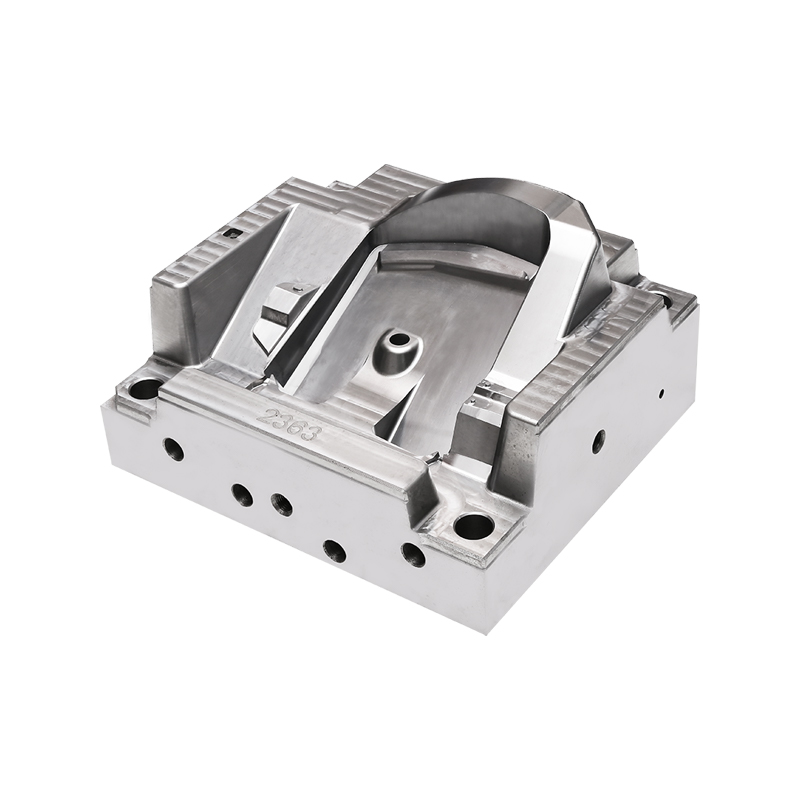
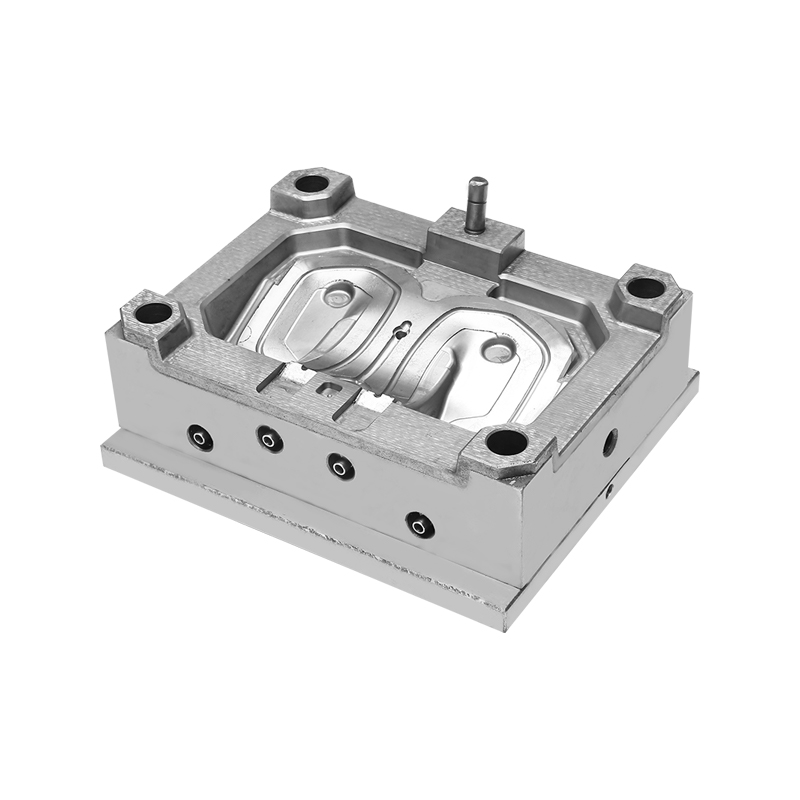
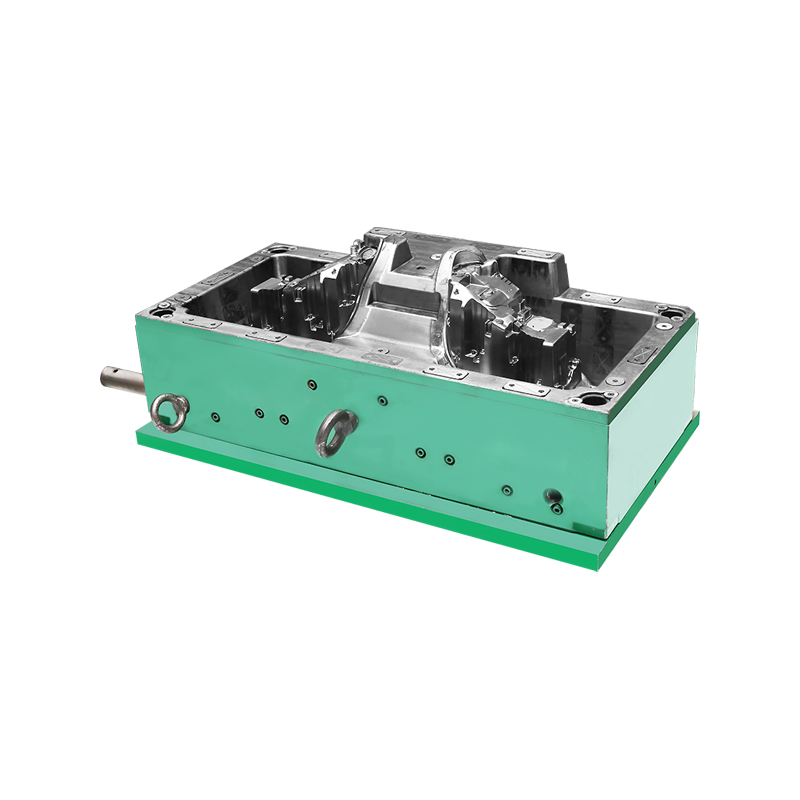
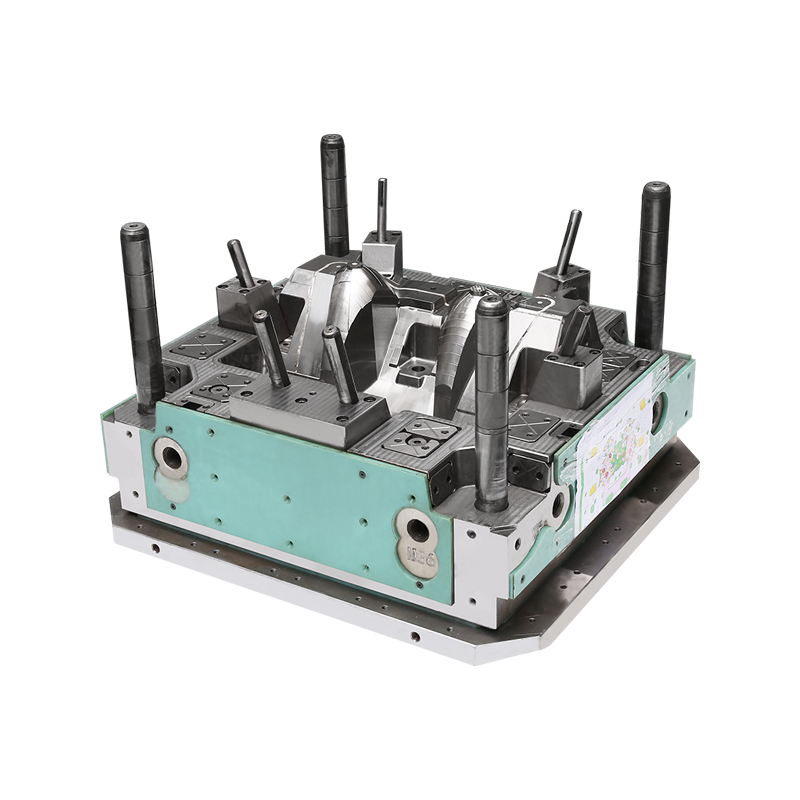
Automobiles today contain hundreds of plastic components, from dashboards and bumper covers to air ducts, battery housings, and interior trim panels. Behind every one of these parts is an Automotive Plastic Mould, a manufacturing tool that determines the final shape, dimensions, and repeatability of each molded component.
As vehicle designs become more detailed and production cycles become shorter, mould manufacturers are handling increasingly complex projects. Modern mould development is no longer only about creating a cavity that forms plastic—it also involves engineering for stable production, dimensional consistency, and compatibility with automated manufacturing lines.
Why Automotive Parts Require Specialized Mould Design
Automotive plastic components often perform more than a decorative function. Many parts contribute to structural support, airflow management, electrical system protection, or passenger comfort. Because of these requirements, mould design usually begins with detailed engineering analysis instead of simply copying a CAD model.
Several design factors are commonly evaluated before machining starts:
- Part geometry and wall thickness distribution
- Material shrinkage characteristics
- Gate and runner layout
- Cooling channel arrangement
- Expected production volume
- Surface finish requirements
- Mold opening direction and ejection system
Even a small adjustment to gate location or cooling design can influence cycle stability and reduce dimensional variation during mass production.
Precision Comes From Every Manufacturing Step
Building an Automotive Plastic Mould involves a combination of machining technologies rather than relying on a single process.
Typical manufacturing steps include:
- CNC milling for cavity shaping
- EDM for sharp corners and detailed features
- Wire cutting for precision inserts
- Grinding for accurate fitting surfaces
- Polishing or texturing according to part requirements
- Assembly and dimensional inspection
Modern machining equipment allows mould components to be produced with very tight tolerances, but achieving consistent quality also depends on process planning, fixture accuracy, and experienced assembly technicians.
Before production begins, mould trials help engineers verify filling balance, cooling performance, and part dimensions. Adjustments made during these trials can improve production stability without changing the customer's part design.
Material Selection Influences Mould Performance
Automotive manufacturers use a wide range of engineering plastics, and each material behaves differently during injection molding.
Common materials include:
- PP for interior trims and bumper systems
- ABS for decorative interior parts
- PC/ABS blends for instrument panels
- PA reinforced with glass fiber for structural components
- PBT for electrical connectors
These materials have different processing temperatures, shrinkage rates, and flow characteristics. As a result, mould designers often modify gate dimensions, venting, cooling channels, and ejection systems to match the selected resin.
Choosing mould steel also depends on production conditions. Higher production volumes or glass-fiber-filled materials generally require steels with stronger wear resistance.
Digital Engineering Has Changed Development Work
Software has become an important part of mould engineering. Before steel cutting begins, engineers frequently perform simulations that estimate material flow, weld line locations, air traps, and cooling efficiency.
This digital analysis helps identify possible manufacturing issues earlier in the project, reducing the number of modifications during mould trials.
Three-dimensional CAD systems also improve communication between product designers, mould engineers, and machining teams by allowing each stage of development to reference the same digital model.
Although simulation does not replace physical testing, it provides valuable engineering information that supports smoother project execution.
Production Consistency Matters Throughout Manufacturing
An Automotive Plastic Mould is expected to produce thousands—or in many cases hundreds of thousands—of identical parts while maintaining stable dimensions.
Consistency depends on several engineering details working together rather than one individual factor.
Key contributors include:
- Balanced cooling throughout the cavity
- Stable mould alignment
- Accurate venting design
- Reliable ejection mechanisms
- Controlled machining tolerances
When these elements are integrated during mould development, manufacturers can achieve repeatable production across long manufacturing runs while reducing unnecessary process interruptions.
As automotive products continue to introduce new shapes, integrated assemblies, and lightweight materials, mould engineering remains an essential foundation for producing complex plastic components with reliable dimensional accuracy and manufacturing consistency.