English
 中文简体
中文简体 русский
 Español
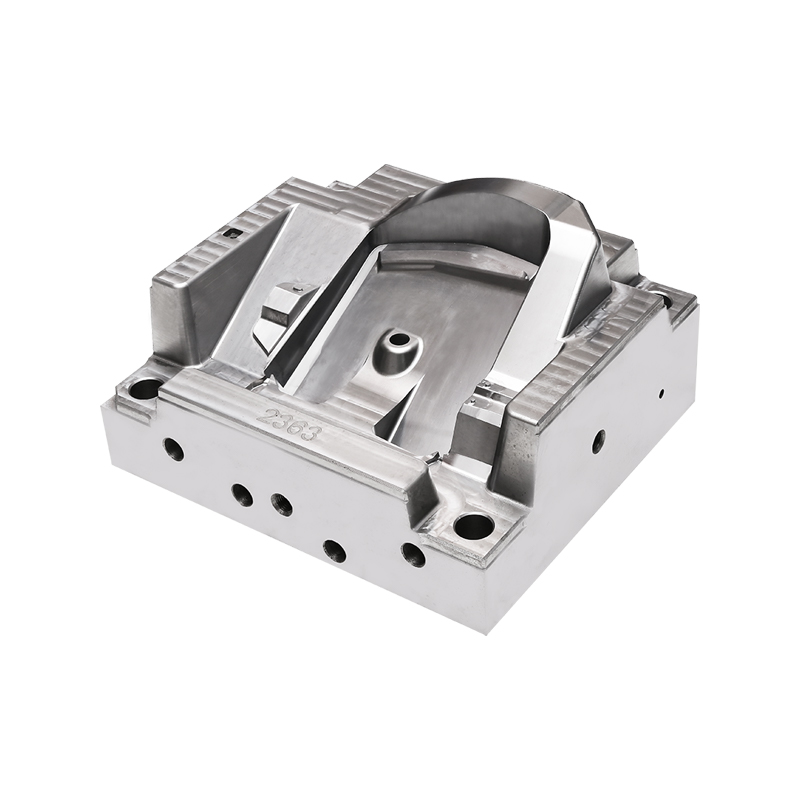
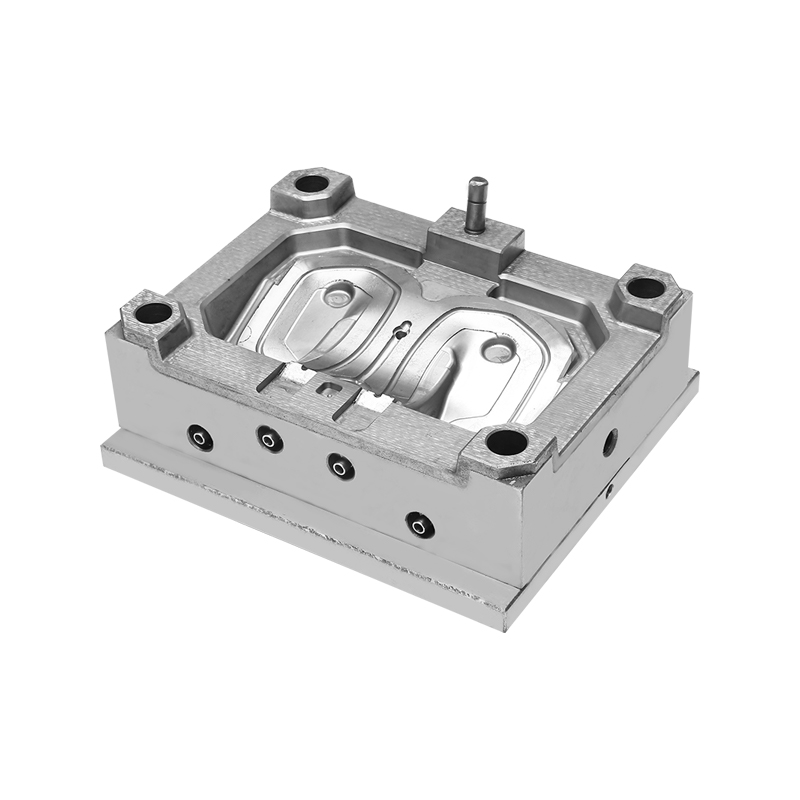
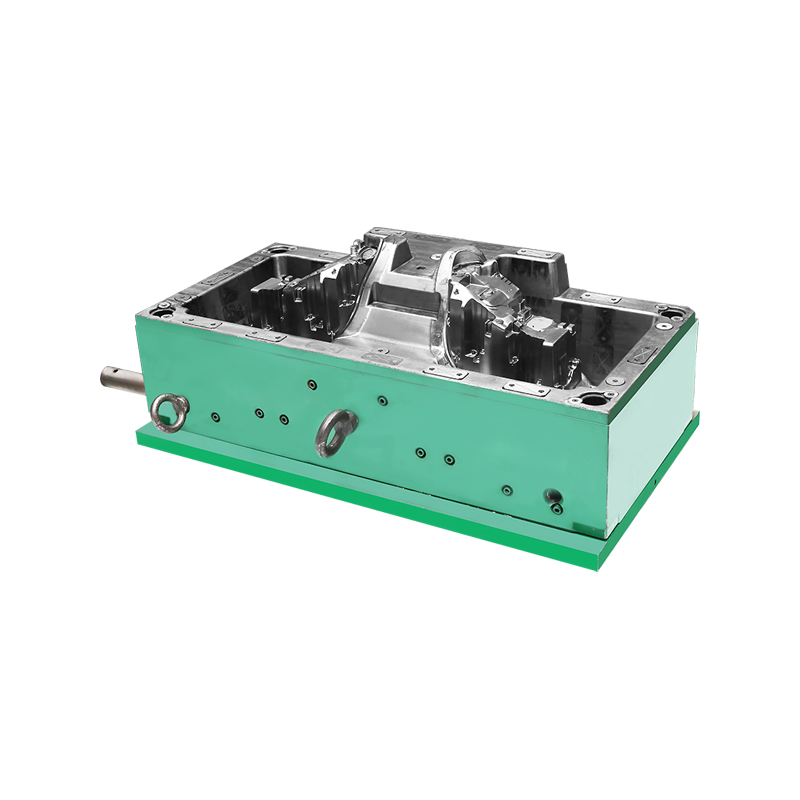
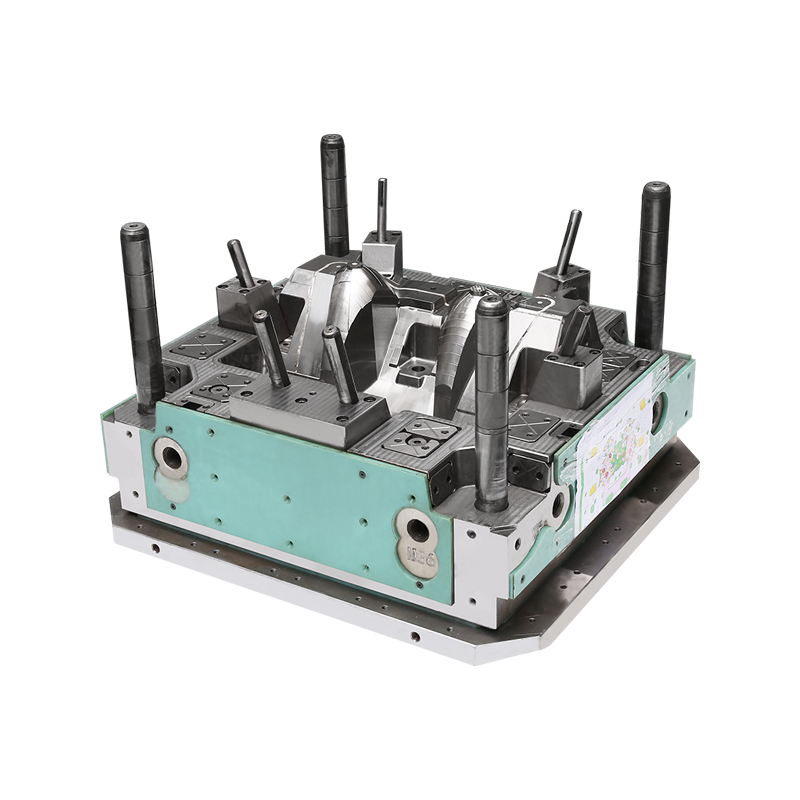
Automotive plastic moulding has become a critical component in the modern automotive manufacturing industry. The widespread use of plastic materials in car parts is driven by their lightweight, durability, and cost-effectiveness. The automotive industry faces increasing pressure to meet stringent performance standards, reduce weight, and improve fuel efficiency, making plastic moulds play a significant role in the production of car components. In addition to weight reduction, plastic moulding allows for the creation of complex, customized parts that enhance both design flexibility and overall vehicle performance, meeting the diverse needs of today's automotive market.
Automotive plastic moulding refers to the process of creating parts for vehicles using plastic materials that are molded into precise shapes through heat and pressure. This technique allows manufacturers to produce a wide range of parts, from interior components like dashboards and door panels to exterior components such as bumpers and grilles. The flexibility of plastic, combined with its ability to be molded into complex shapes, makes it an ideal choice for many automotive applications. Plastic moulding offers the advantage of producing parts with high precision and minimal waste, which further contributes to cost-effectiveness and sustainability in the production process.
One of the primary reasons automotive manufacturers choose plastic moulding is the material’s ability to reduce the overall weight of the vehicle. Lighter vehicles improve fuel efficiency, which is a key consideration in the current market, where fuel economy regulations are becoming stricter. Plastic materials used in moulding can be engineered to provide strength, impact resistance, and flexibility, ensuring that parts remain durable while contributing to the vehicle's overall efficiency. The ability to tailor plastic formulations for specific performance requirements enhances the material's suitability for a variety of automotive applications, from structural components to intricate, lightweight designs.
Plastic moulds offer versatility in design. Unlike traditional metal parts, plastic components can be molded into intricate and detailed shapes with high precision. This allows for the integration of advanced features, such as built-in fastening systems or complex geometries, which would be difficult or cost-prohibitive to achieve using metal. Manufacturers can also choose from a variety of plastic materials, each offering specific properties like heat resistance, chemical resistance, or UV stability, depending on the needs of the part.
Despite the advantages, there are challenges to using plastic moulding in automotive manufacturing. For one, the initial investment in moulds and machinery can be higher than traditional manufacturing methods. However, this cost is offset over time by the efficiency and flexibility that plastic moulding provides. While plastic parts are generally strong, they may not always offer the same durability as metal in certain high-stress or high-temperature applications. Manufacturers need to carefully select the right materials and design to ensure that the plastic components can withstand the demands of the automotive environment.
Conclusion
Automotive plastic moulding has become an essential process in modern car manufacturing, offering numerous benefits, such as reduced vehicle weight, improved fuel efficiency, and design versatility. The ability to create intricate and durable parts from a wide range of plastic materials makes it a preferred choice for both interior and exterior components. Continued advancements in plastic materials and moulding technology ensure that automotive plastic moulding remains a pivotal aspect of the industry's future, driving the development of more efficient, cost-effective, and sustainable vehicles.